
Types of hair transplants
A hair transplant is a microsurgical medical procedure that involves harvesting follicular units from a dense area of the scalp to reimplant them into thinning areas.
Each technique has its own specificities, advantages, and limitations.
At ANAGEN, founded by Dr. Gmati and Dr. Ponçon, we are experts in the FUE technique, the gold standard method in modern hair transplantation.
Our priority is to use the technique most suited to the patient, taking into account the stage of alopecia, the quality of the donor area, and the desired result.
All doctors practicing in our medical center are registered with the Medical Association.
FUE hair transplant
Principle
FUE involves harvesting follicles one by one from the donor area (usually the back or sides of the head) using a micro-punch less than one millimeter in diameter.
These follicles are then manually implanted into the thinning areas according to a personalized implantation plan defined before the procedure.
Characteristics of FUE
- No linear incision, no visible scar.
- Performed under local anesthesia, no hospitalization required.
- Simple post-operative care, rapid recovery.
- Natural result thanks to the control of the hair’s angle and direction.
Indications
- Male androgenetic alopecia.
- Densification of the hairline, vertex, or crown.
- Beard transplant.
ANAGEN expertise
ANAGEN is recognized for its mastery of high-volume FUE, which can involve up to 6,000 grafts, spread over one or two days depending on needs.
Each implantation is planned and performed in a personalized manner, respecting facial morphology, natural density, and hair direction.
FUE is one of ANAGEN’s flagship techniques, thanks to its precision, reliability, and adaptability to the majority of alopecia cases.
Before/After results
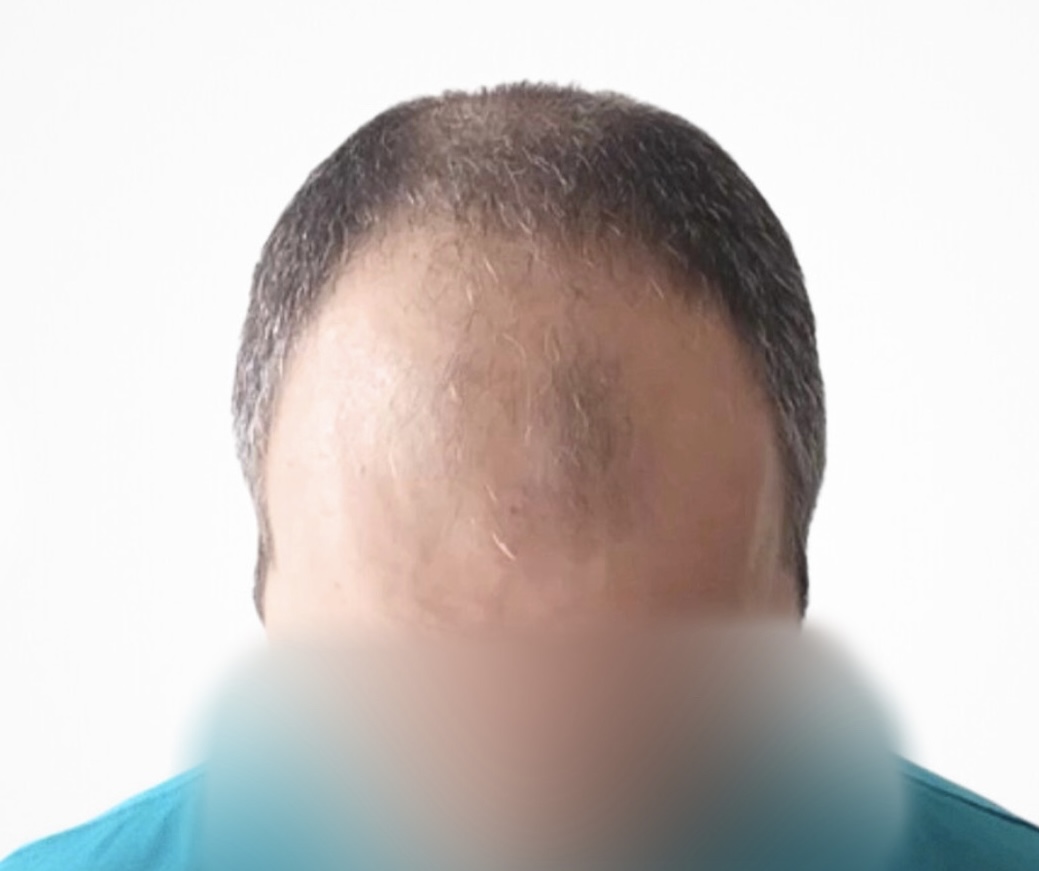
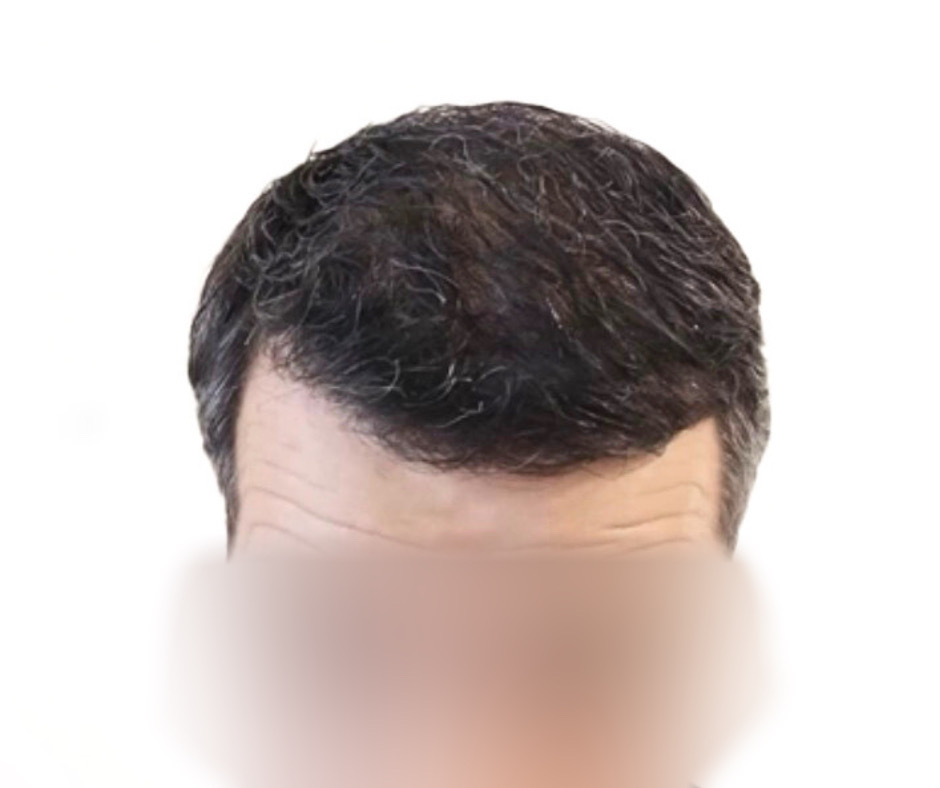
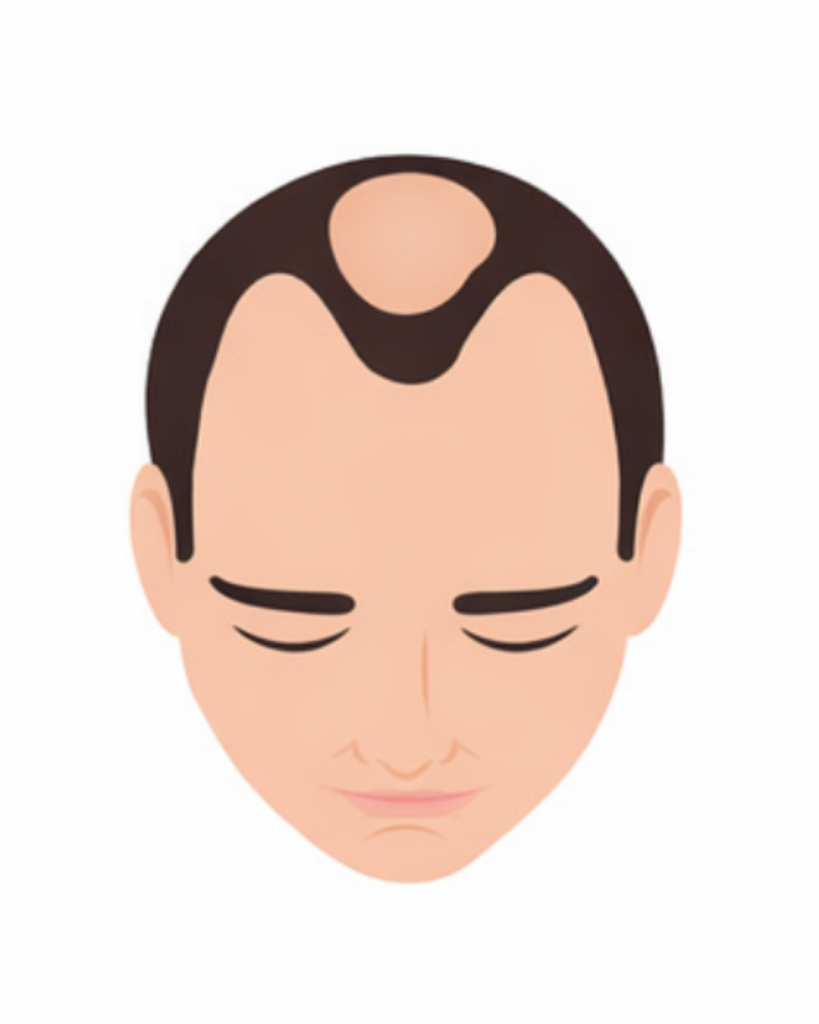
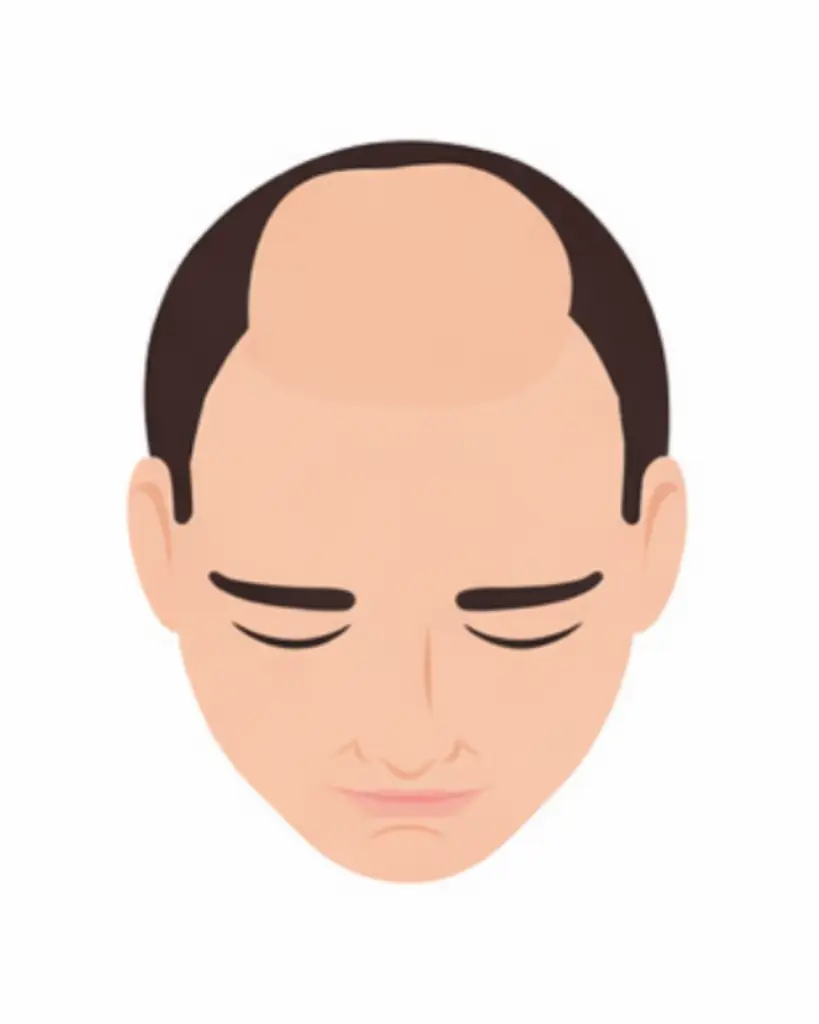
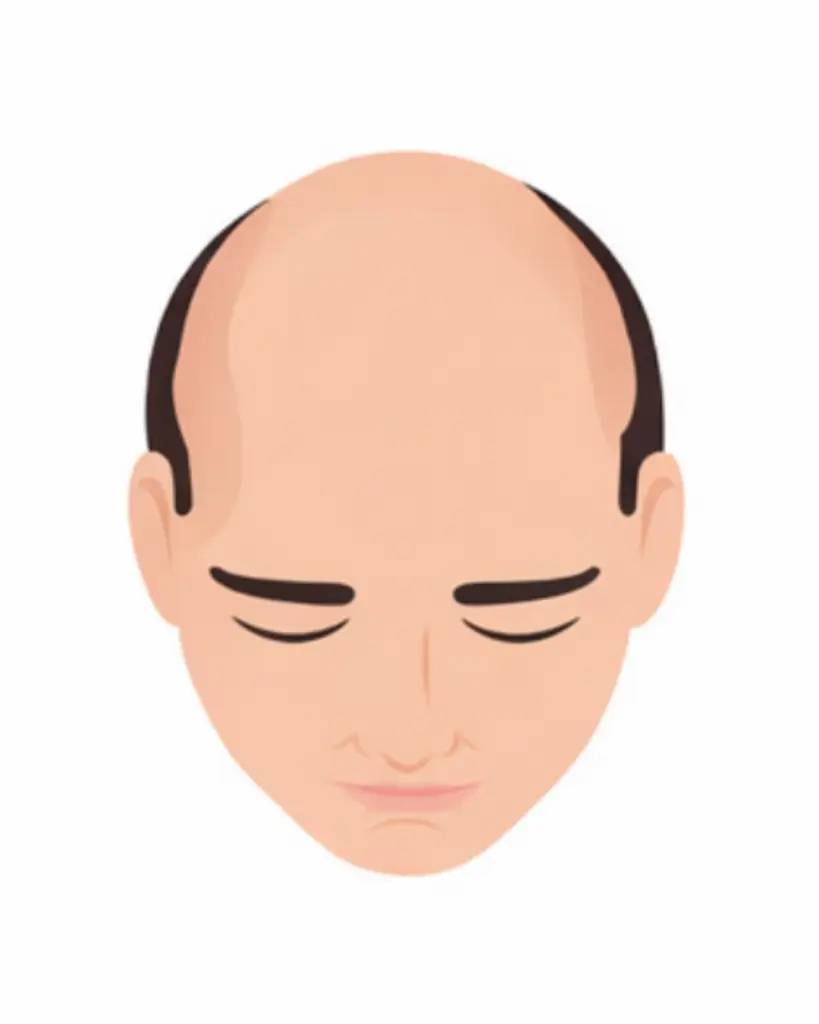
38-year-old patient with stage 4 alopecia. FUE harvesting with 0.9mm Devroye hybrid punch. A total of 2800 grafts harvested and implanted.

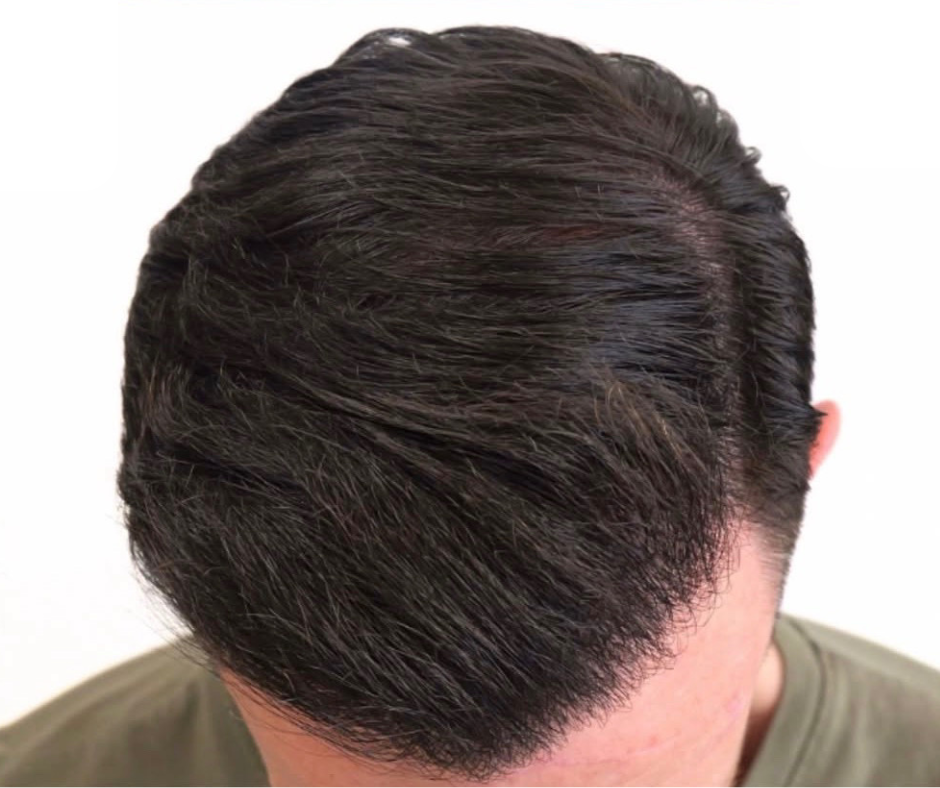
28-year-old patient with stage 3a alopecia. FUE harvesting with 0.9mm Devroye hybrid punch. A total of 2500 grafts harvested and implanted.
DNI hair transplant
Principle
DNI is a technique derived from FUE that uses an implantation needle to directly insert grafts into the scalp without the prior creation of incisions.
This method offers optimal control over the angle, depth, and direction of the hair, resulting in a particularly natural look.
Characteristics of DNI
- Direct implantation using a dedicated needle.
- Very high level of precision in hair orientation.
- Suited for areas requiring finesse and millimeter-level control.
- Extremely natural result, especially for the hairline and fine densification.
Indications
- Precise reconstruction of the hairline.
- Localized micro-densification.
- Finishing work or areas requiring detailed implantation.
ANAGEN expertise
ANAGEN is also an expert in the DNI technique, integrated when maximum precision is essential.
Combined with FUE, DNI achieves a harmonious, dense, and natural implantation, perfectly adapted to each patient.
DHI hair transplant
Principle
DHI is a technical evolution of FUE.
Follicles are harvested in the same way, but they are implanted using an implanter pen (Choi Pen), allowing the grafts to be inserted directly into the scalp.
Characteristics of DHI
- Direct and simultaneous implantation, limiting graft handling time.
- Precise control of depth, angle, and direction.
- Allows for localized densification.
Indications
- Precision work: hairlines, finishing, areas with high aesthetic requirements.
- Beard transplant and limited areas requiring controlled implantation.
(This paragraph presents the DHI technique for informational purposes, even though ANAGEN focuses its expertise on FUE and DNI techniques.)
Other existing techniques
(not practiced at ANAGEN, presented for informational purposes)
FUT (Follicular Unit Transplantation)
An older method, FUT involves harvesting a thin strip of scalp from the back of the head, from which the follicles are then isolated.
This technique allows for the harvesting of a large number of grafts but leaves a permanent linear scar.
It is used less and less today due to its more invasive nature and longer recovery time.
Robotic transplants
Some clinics use robotic systems to automate part of the transplant.
These processes allow for assisted extraction but often lack artistic flexibility and morphological adaptation.
At ANAGEN, we prioritize human expertise, manual precision, and an aesthetic understanding of the face.
Types of transplants performed at ANAGEN
Hair transplant
It allows for restoring hair density in areas affected by alopecia: hairline, temporal peaks, crown, vertex.
Performed using FUE or DNI depending on the case, hair transplants at ANAGEN always prioritize naturalness, consistency, and respect for the scalp.
02
Beard Transplant
A beard transplant aims to reconstruct or densify facial hair.
It is intended for men with sparse, irregular, or missing areas.
Grafts are harvested from the occipital area and implanted according to the natural angle and direction of facial hair, using FUE or DNI depending on the surface area to be covered.
Why ANAGEN prioritizes FUE and DNI
ANAGEN’s philosophy is based on a simple idea:
to use the most precise, safest, and most suitable technique for each patient’s needs.
Today, FUE and DNI are the two most effective methods for achieving a result that is:
- lasting,
- harmonious,
- natural,
- and without visible scarring.
Our expertise is based on:
- the precision of the medical procedure,
- a personalized aesthetic analysis,
- an implantation plan consistent with facial morphology,
- and comprehensive follow-up, from the first consultation to final regrowth.
In summary: FUE vs DNI
| Technique | Principe | Avantages | Indications |
|---|---|---|---|
| FUE | Extraction unitaire des follicules et implantation manuelle dans les zones dégarnies | Pas de cicatrice visible, grande précision, récupération rapide | Tous les stades d’alopécie, ligne frontale, tonsure, greffe de barbe |
| DNI | Implantation directe via une aiguille d’implantation dédiée | Contrôle optimal de l’angle, de la profondeur et de la direction ; rendu très naturel | Lignes frontales, micro-densification, zones nécessitant une finesse extrême |
We answer all your questions
Do not hesitate to call us at 04 78 08 93 63 if your question is not in the list.
1. What is a hair transplant?
A hair transplant is a medical procedure that involves taking hair follicles from a donor area (often the back of the head) to reimplant them in thinning or balding areas.
Transplanted grafts retain their permanent character, allowing for definitive and natural regrowth.
2. What is the difference between FUE and FUT?
FUE (Follicular Unit Extraction) is a modern technique that allows grafts to be harvested one by one, without a visible linear scar.
FUT (Follicular Unit Transplantation), which is older, involves a surgical strip taken from the back of the head.
FUE is today the most used method for its precision and scar discretion.
3. Who is hair transplant for?
Hair transplant is intended for people suffering from androgenetic alopecia, mainly men between 25 and 60 years old.
A medical evaluation is necessary to check the density and quality of the donor area, as well as the stability of hair loss before considering an intervention.
4. How many grafts can be implanted in one session?
The number of grafts depends on the surface to be treated and the density of the donor area.
A session can range from 1,000 to 6,000 grafts, spread over one or two days depending on the clinical case.
The practitioner determines the most suitable strategy after the diagnosis.
5. Is the procedure painful?
FUE hair transplant is performed under local anesthesia.
The patient is conscious and relaxed throughout the procedure.
Discomfort may be felt after the intervention, but it disappears in a few days with the prescribed care.
6. When does transplanted hair grow back?
Regrowth follows several natural stages:
- Temporary loss of grafts between 2 and 4 weeks after the transplant,
- Start of regrowth around the 3rd or 4th month,
- Visible result at 6 months,
- Final result between 9 and 12 months after the intervention.
Each patient progresses at their own pace.
7. Does hair transplant leave scars?
The FUE technique leaves no linear scar.
Micro-traces may be visible on the donor area for the first few days, but they disappear quickly.
Good healing depends on following post-operative instructions.
8. Does transplanted hair fall out again?
Implanted hair comes from areas genetically programmed not to fall out.
They retain this characteristic after the transplant.
However, non-transplanted hair may continue to thin: regular medical follow-up helps stabilize the progression of baldness.
9. How long does a hair transplant session last?
The duration depends on the number of grafts to be implanted.
On average, a session lasts 6 to 8 hours.
For large transplants (up to 6,000 grafts), the intervention can be performed over two consecutive days.
10. What precautions should be taken after a hair transplant?
The first few days require specific care to protect the grafts:
- Gentle cleaning and thermal water spray,
- Avoid sun, sports, and wearing a cap,
- Sleep with the head slightly elevated,
- Follow the post-operative instructions given by the center.
Personalized follow-up is provided to accompany each stage of healing.