
Hair Transplant Center in Lyon
All doctors practicing in our medical center are registered with the medical council and are experts in their fields.
Our Mission
Natural results tailored to each individual's aesthetic expectations.
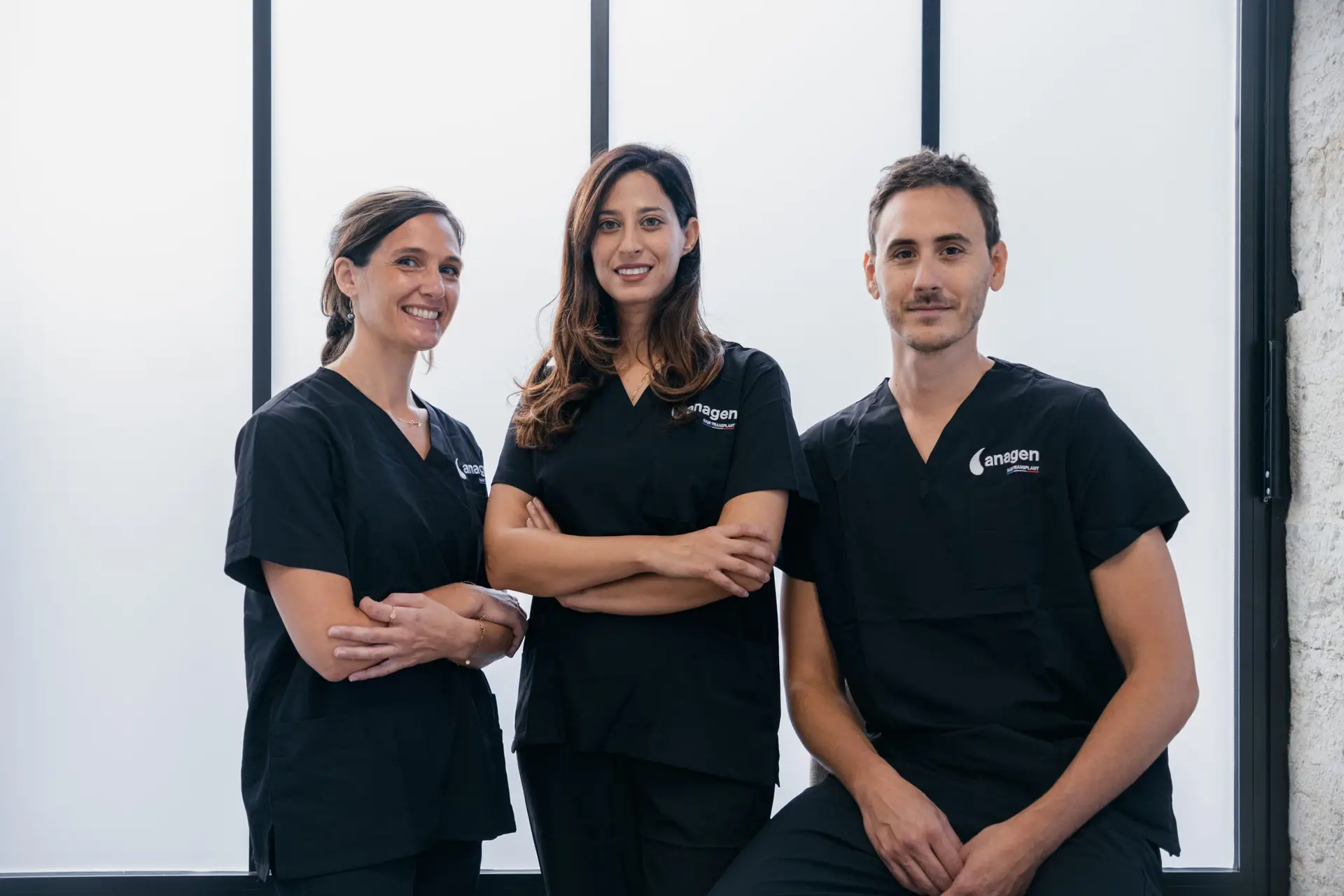
ANAGEN is a medical center in Lyon entirely dedicated to hair transplantation. Founded by two FUE expert doctors, the center treats both male and female alopecia with a rigorous and personalized approach. Specializing in high-density grafts, ANAGEN combines medical excellence, technical precision, and structured follow-up to ensure natural and lasting results in a premium and secure environment.
Perfect experience, excellent and completely imperceptible transplant, with natural density. Very professional team and high-quality post-operative follow-up. I recommend.
Hair Transplant for MEN
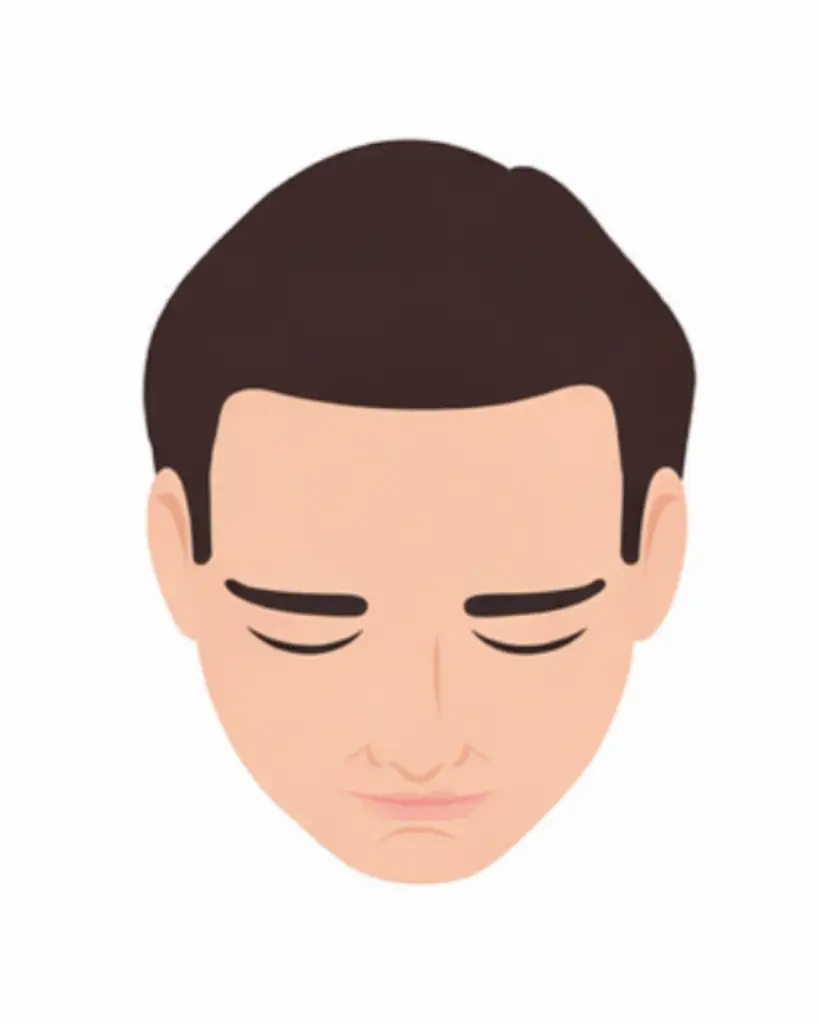
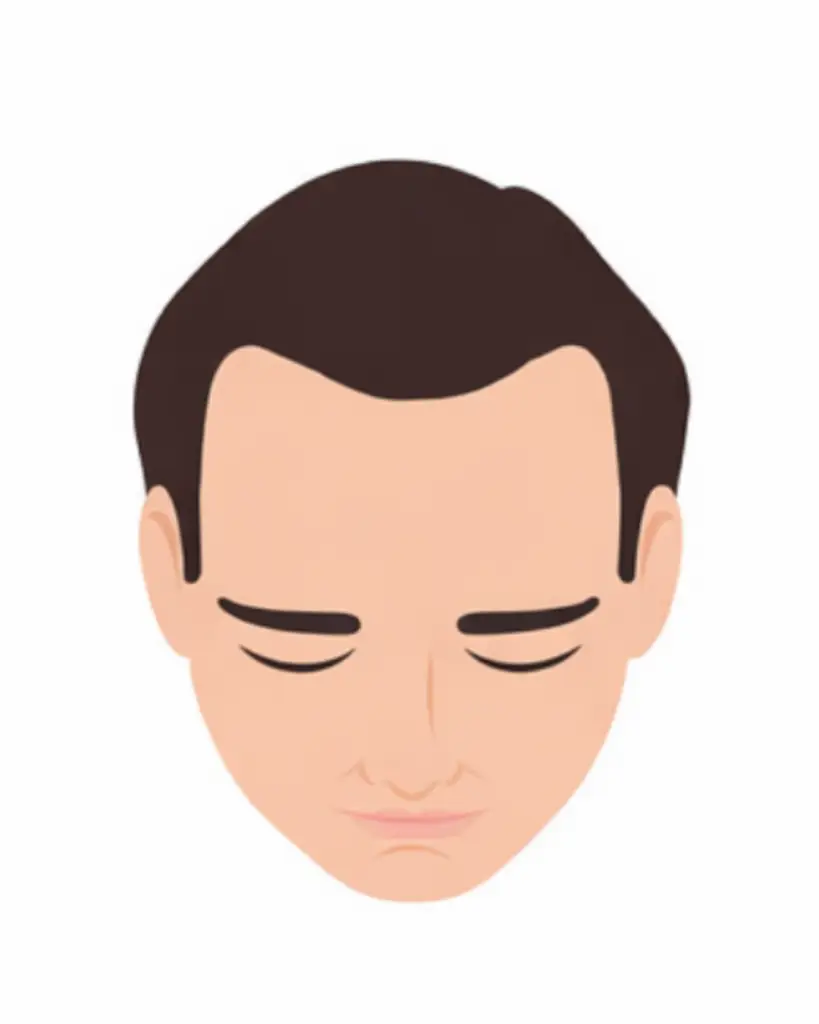
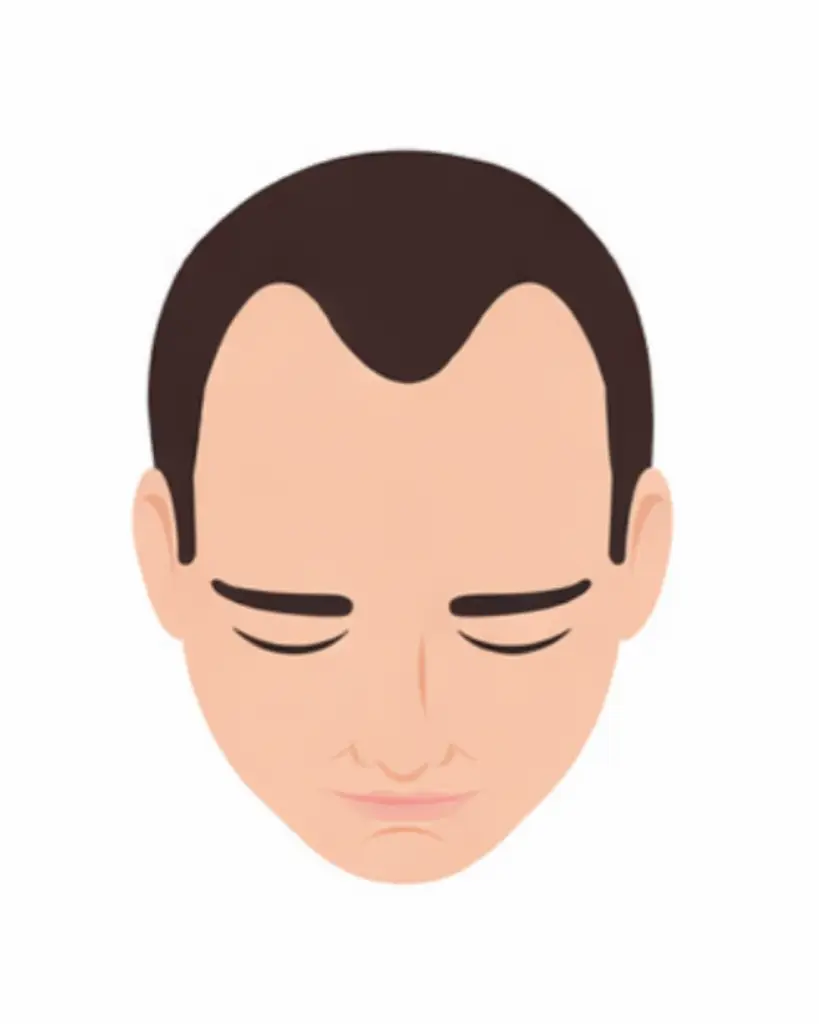
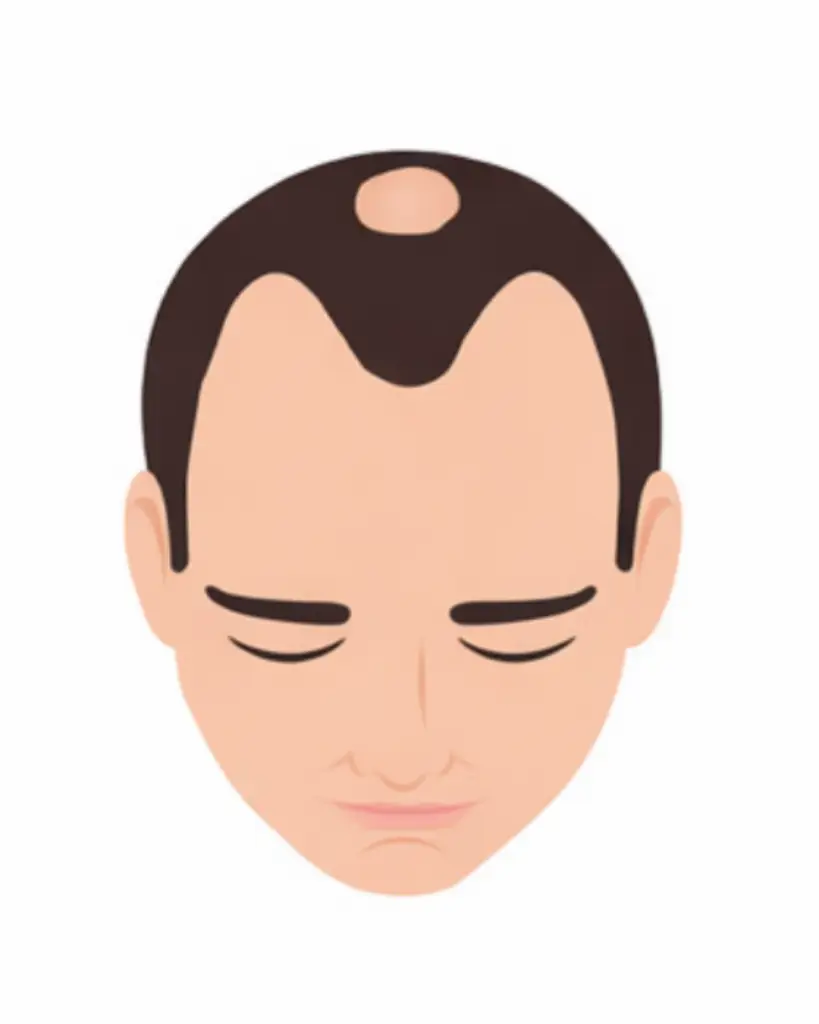
Hair transplantation in men is a lasting medical solution for treating androgenetic alopecia. It involves harvesting follicles from the donor area and precisely implanting them into thinning areas, such as the frontal hairline, frontoparietal region, or crown. Performed using the FUE technique, it provides a natural result, with progressive and definitive regrowth of the implanted hair.
02
Hair Transplant for WOMEN
The most common causes of female alopecia are lichen planopilaris, central centrifugal cicatricial alopecia, and chronic telogen effluvium. A precise medical assessment is essential to identify the origin of hair loss and to verify the stability of the condition. In certain well-selected and stabilized cases, hair transplantation can be a lasting solution to restore density and improve aesthetic appearance naturally and harmoniously.
03
Beard Transplant
Beard transplantation can correct a lack of density, sparse areas, or scars. Performed using the FUE technique, it involves harvesting follicles from the donor area and precisely implanting them according to the natural angle and orientation of the hair. The goal is to achieve a harmonious, natural, and lasting result, adapted to the facial morphology.
How does a transplant work?
Personalized Diagnosis
In-depth medical consultation with trichoscopy.
Precise analysis of your alopecia and donor area.
Provision of a quote and a tailor-made treatment plan.
PROCEDURE
Transplant performed in our specialized center in Lyon.
Precise harvesting of grafts followed by meticulous implantation.
Objective: a natural, dense, and harmonious result.
POST-OPERATIVE FOLLOW-UP
Structured medical follow-up after the procedure.
5 scheduled consultations over 12 months.
Support until complete regrowth.
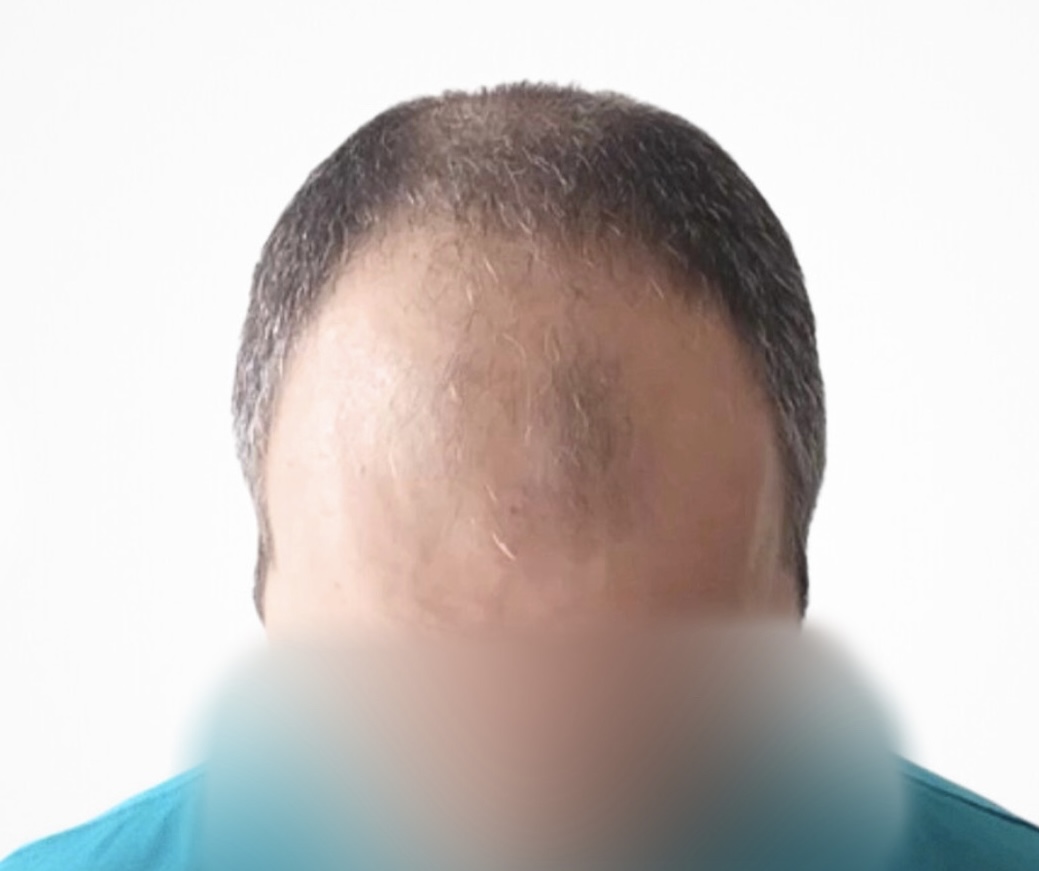
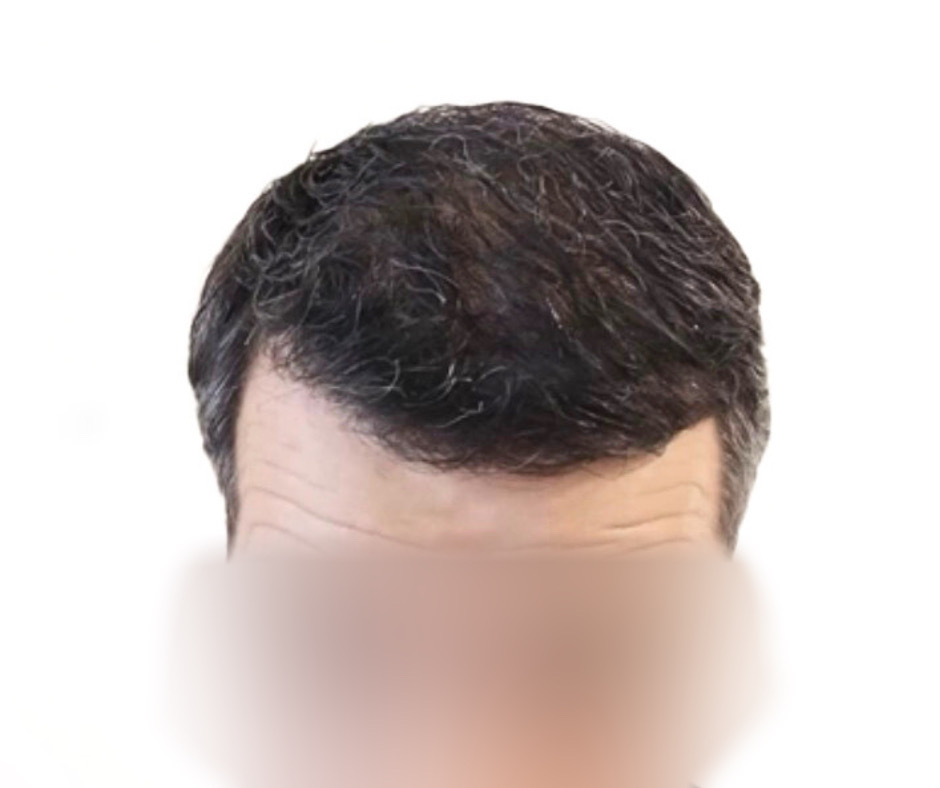
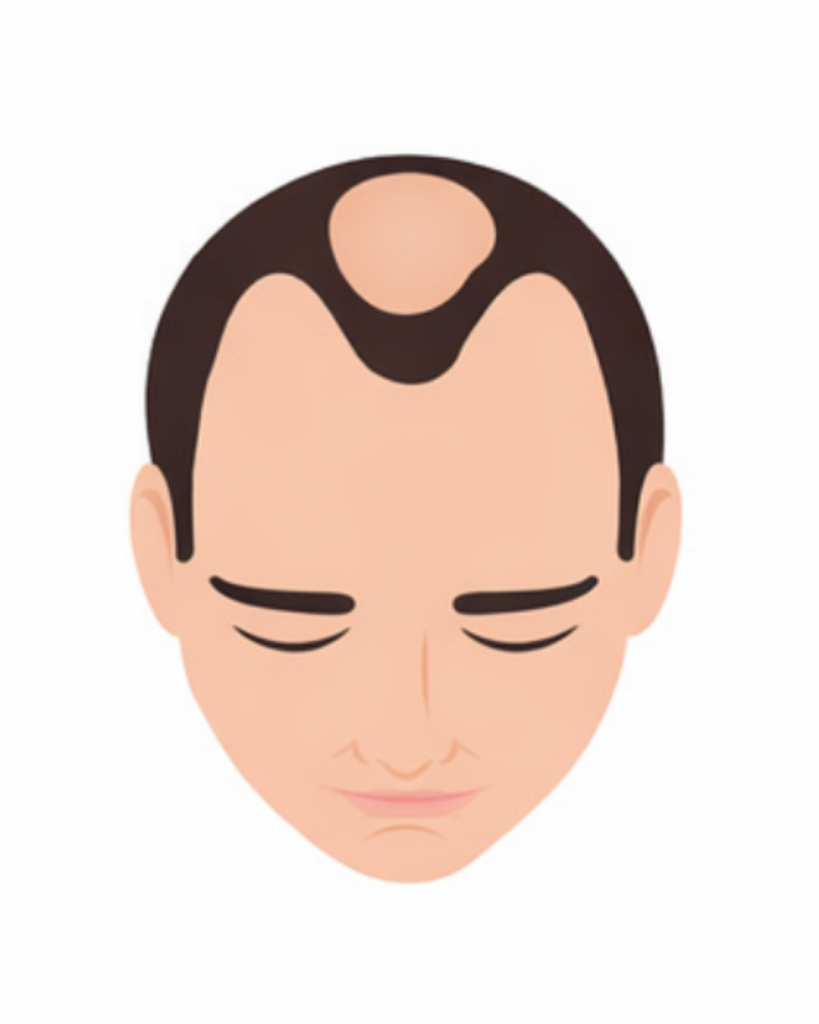
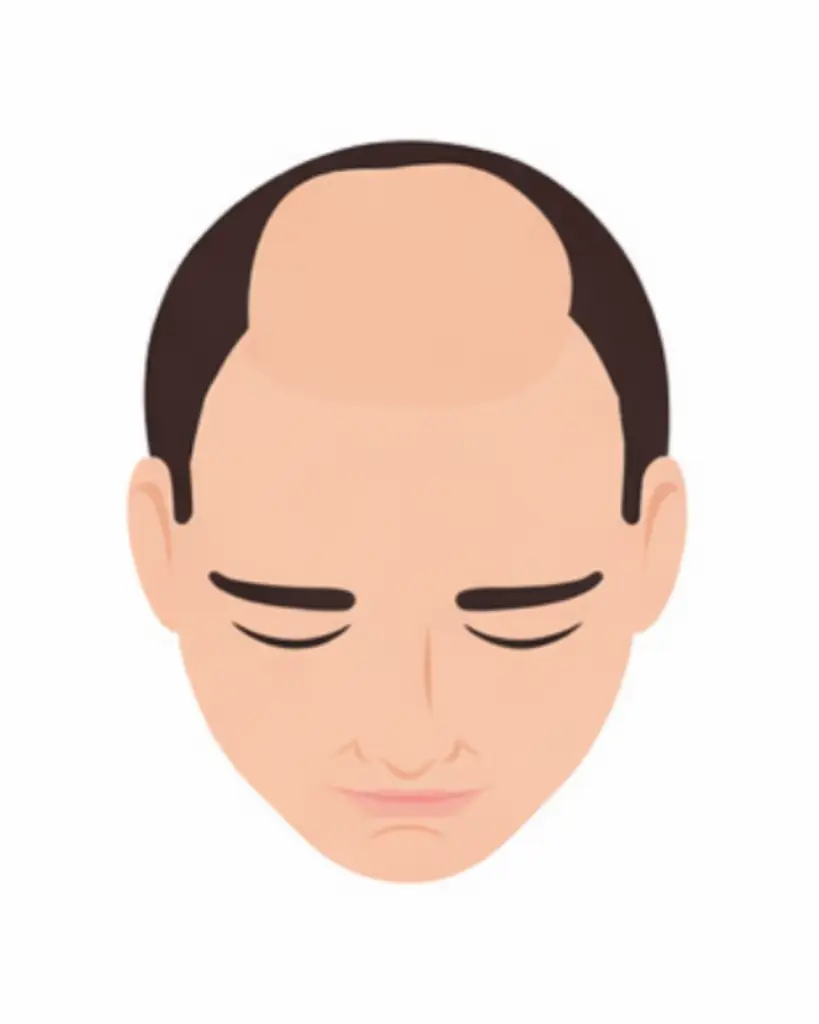
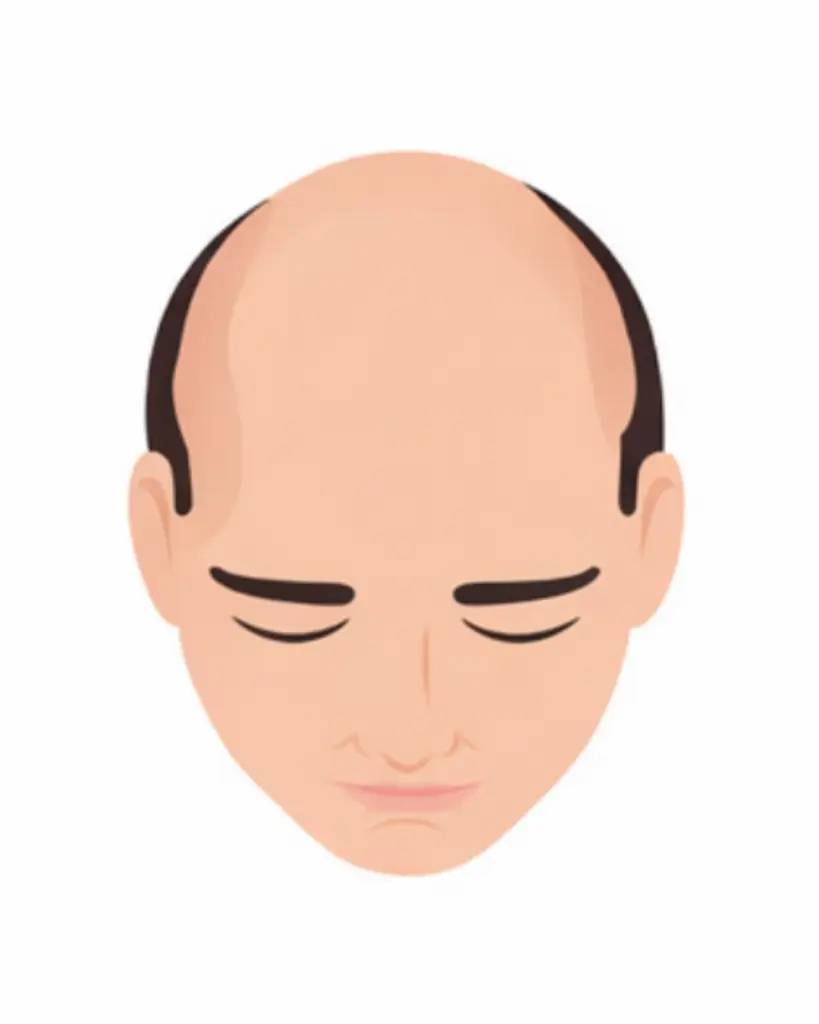
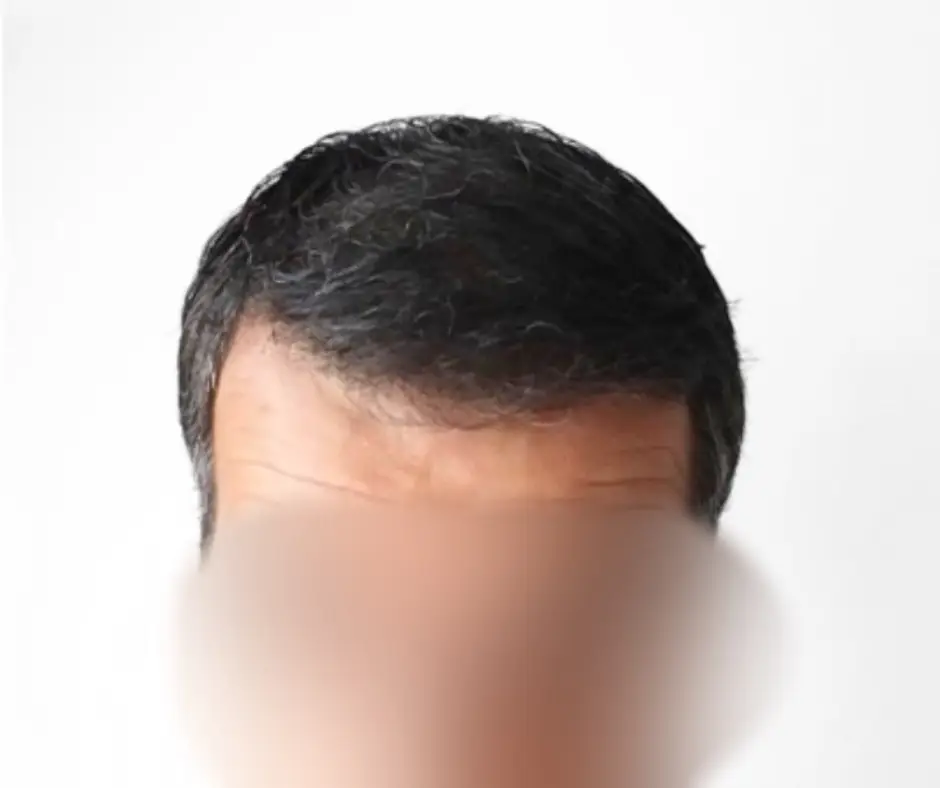
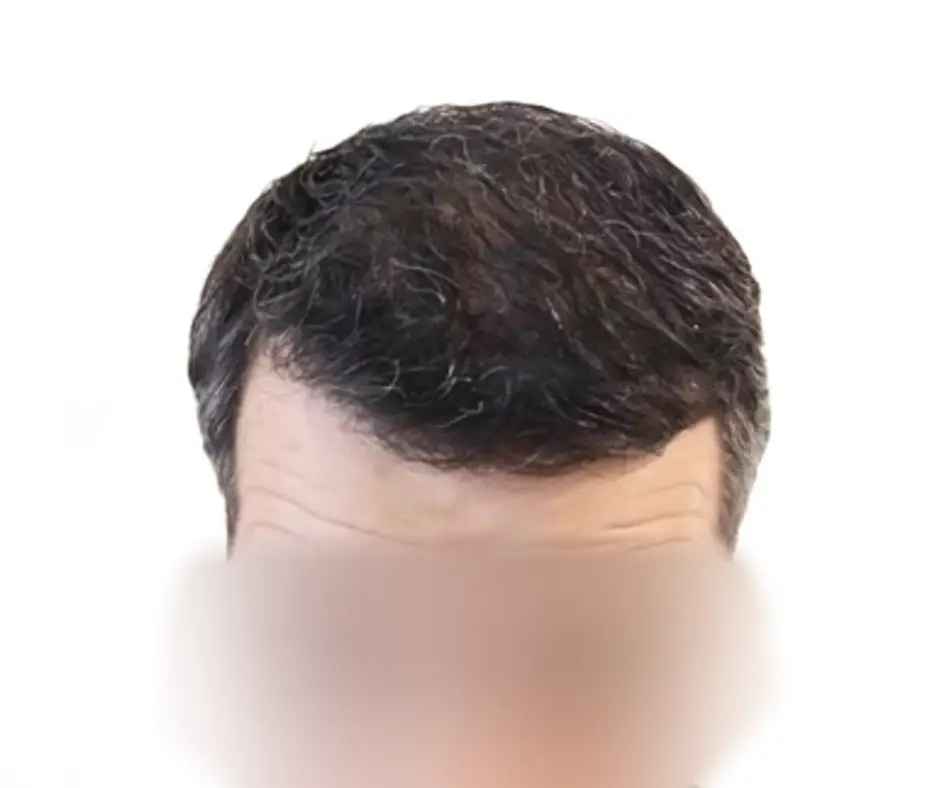
38-year-old patient with stage 4 alopecia. FUE harvesting with 0.9mm Devroye hybrid punch. A total of 2800 grafts harvested and implanted.

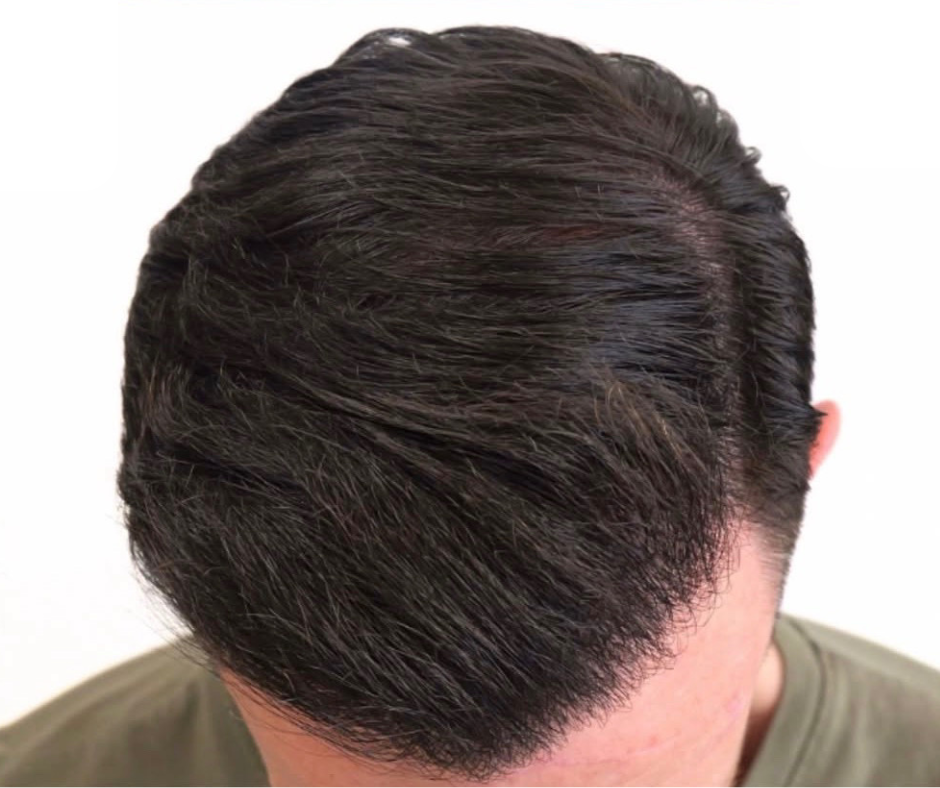
28-year-old patient with stage 3a alopecia. FUE harvesting with 0.9mm Devroye hybrid punch. A total of 2500 grafts harvested and implanted.
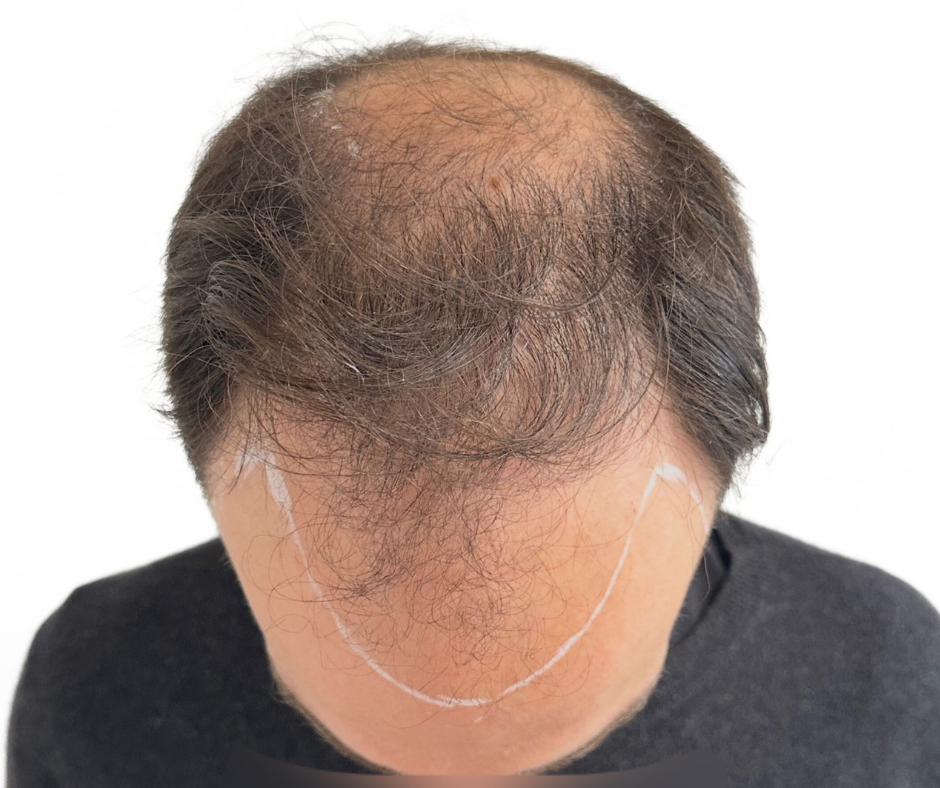
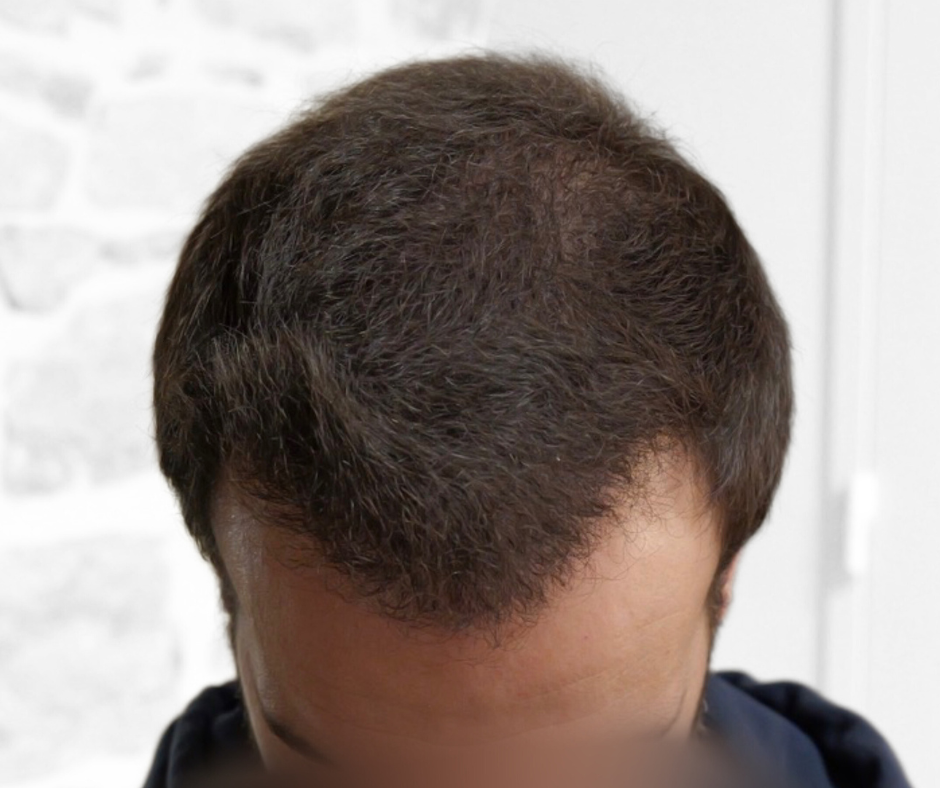
37-year-old patient with stage 6 alopecia. FUE harvesting with 0.9mm Devroye hybrid punch. A total of 5000 grafts harvested and implanted.
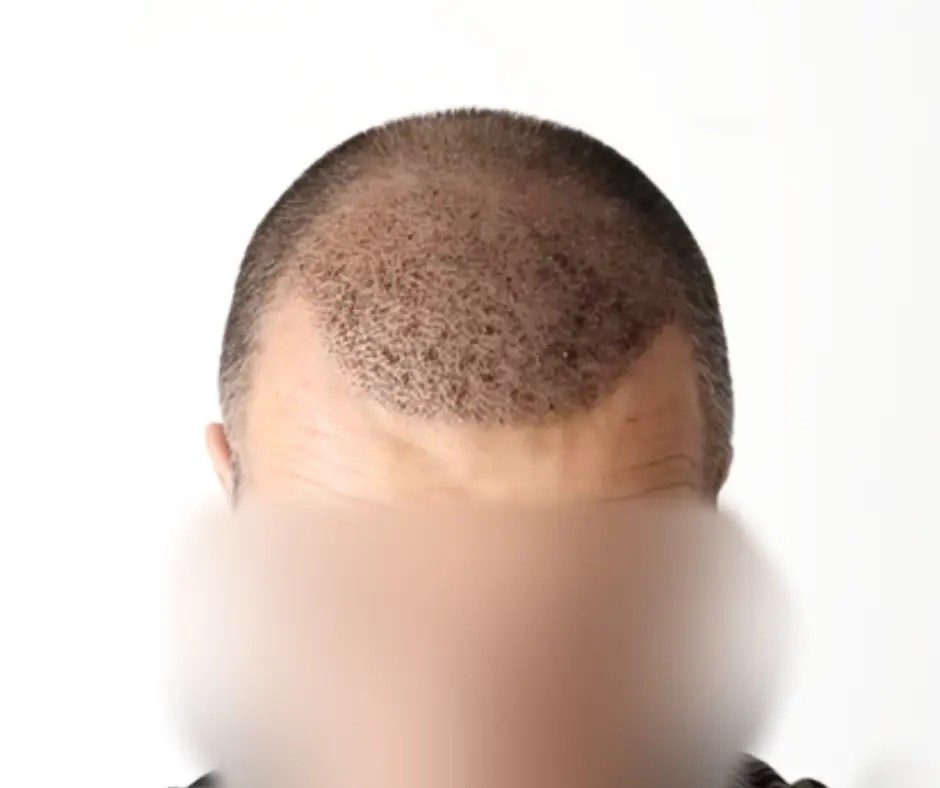
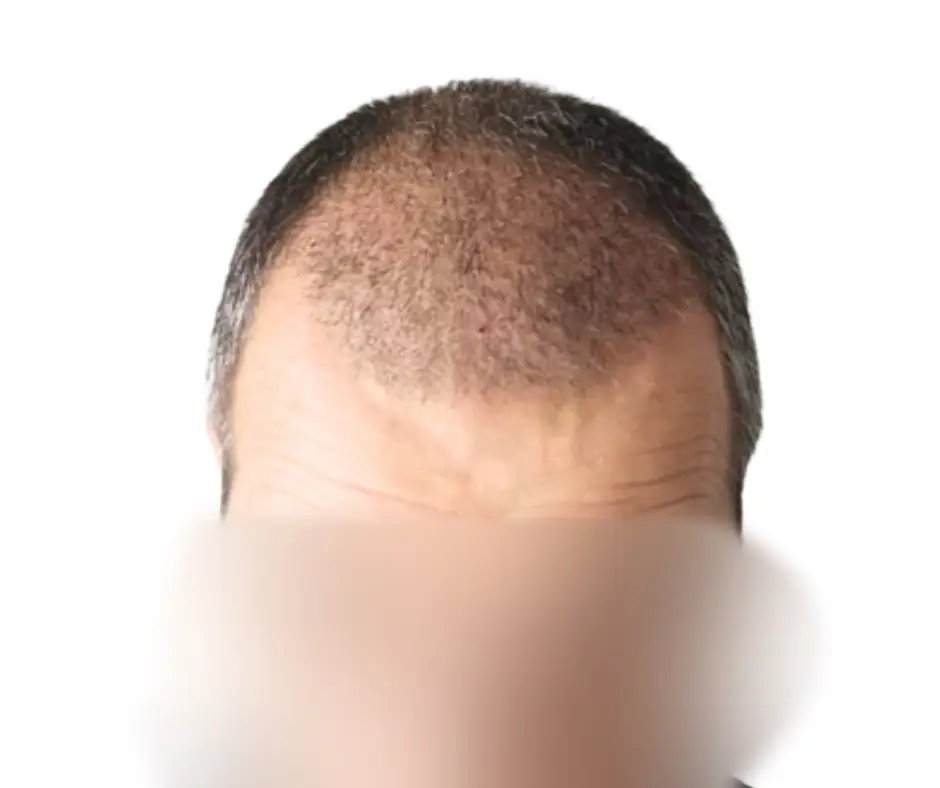
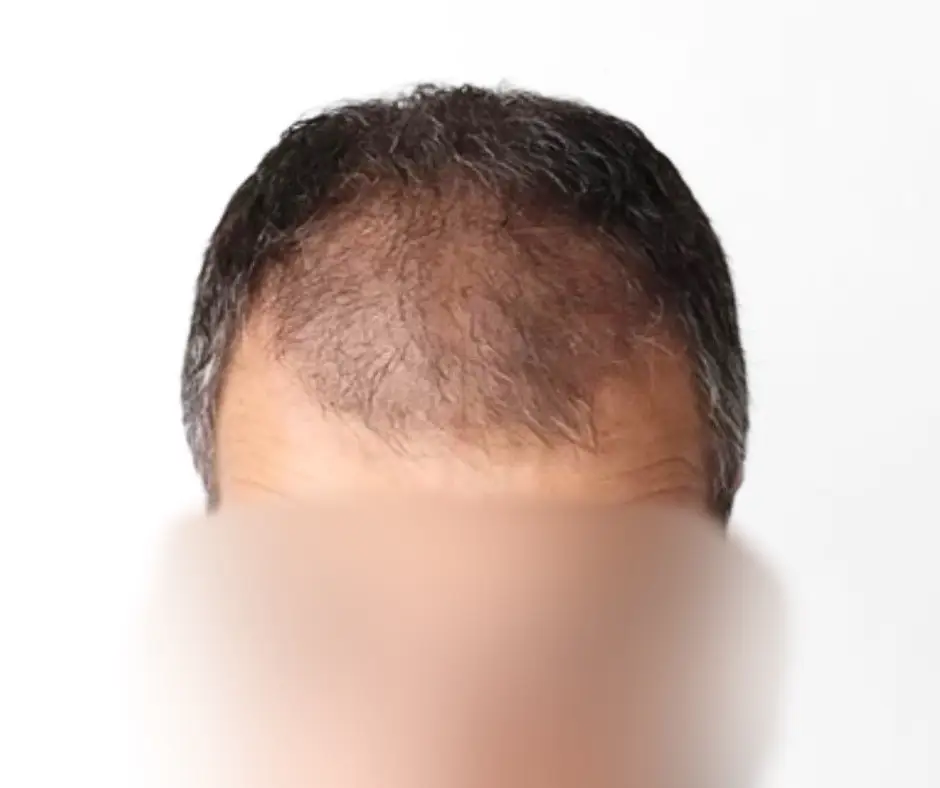
Evolution of your hair transplant
We answer all your questions
Do not hesitate to call us at 04 78 08 93 63 if your question is not in the list.
1. What is a hair transplant?
A hair transplant is a medical procedure that involves taking hair follicles from a donor area (often the back of the head) to reimplant them in thinning or balding areas.
Transplanted grafts retain their permanent character, allowing for definitive and natural regrowth.
2. What is the difference between FUE and FUT?
FUE (Follicular Unit Extraction) is a modern technique that allows grafts to be harvested one by one, without a visible linear scar.
FUT (Follicular Unit Transplantation), which is older, involves a surgical strip taken from the back of the head.
FUE is today the most used method for its precision and scar discretion.
3. Who is hair transplant for?
Hair transplant is intended for people suffering from androgenetic alopecia, mainly men between 25 and 60 years old.
A medical evaluation is necessary to check the density and quality of the donor area, as well as the stability of hair loss before considering an intervention.
4. How many grafts can be implanted in one session?
The number of grafts depends on the surface to be treated and the density of the donor area.
A session can range from 1,000 to 6,000 grafts, spread over one or two days depending on the clinical case.
The practitioner determines the most suitable strategy after the diagnosis.
5. Is the procedure painful?
FUE hair transplant is performed under local anesthesia.
The patient is conscious and relaxed throughout the procedure.
Discomfort may be felt after the intervention, but it disappears in a few days with the prescribed care.
6. When does transplanted hair grow back?
Regrowth follows several natural stages:
- Temporary loss of grafts between 2 and 4 weeks after the transplant,
- Start of regrowth around the 3rd or 4th month,
- Visible result at 6 months,
- Final result between 9 and 12 months after the intervention.
Each patient progresses at their own pace.
7. Does hair transplant leave scars?
The FUE technique leaves no linear scar.
Micro-traces may be visible on the donor area for the first few days, but they disappear quickly.
Good healing depends on following post-operative instructions.
8. Does transplanted hair fall out again?
Implanted hair comes from areas genetically programmed not to fall out.
They retain this characteristic after the transplant.
However, non-transplanted hair may continue to thin: regular medical follow-up helps stabilize the progression of baldness.
9. How long does a hair transplant session last?
The duration depends on the number of grafts to be implanted.
On average, a session lasts 6 to 8 hours.
For large transplants (up to 6,000 grafts), the intervention can be performed over two consecutive days.
10. What precautions should be taken after a hair transplant?
The first few days require specific care to protect the grafts:
- Gentle cleaning and thermal water spray,
- Avoid sun, sports, and wearing a cap,
- Sleep with the head slightly elevated,
- Follow the post-operative instructions given by the center.
Personalized follow-up is provided to accompany each stage of healing.