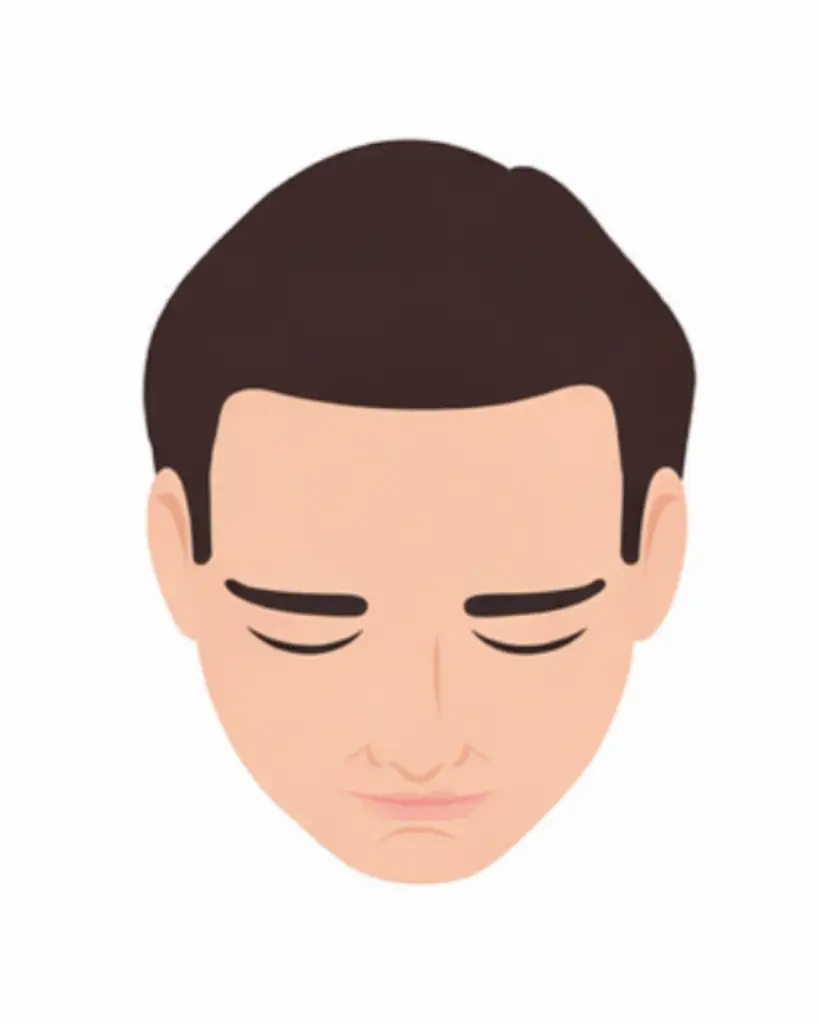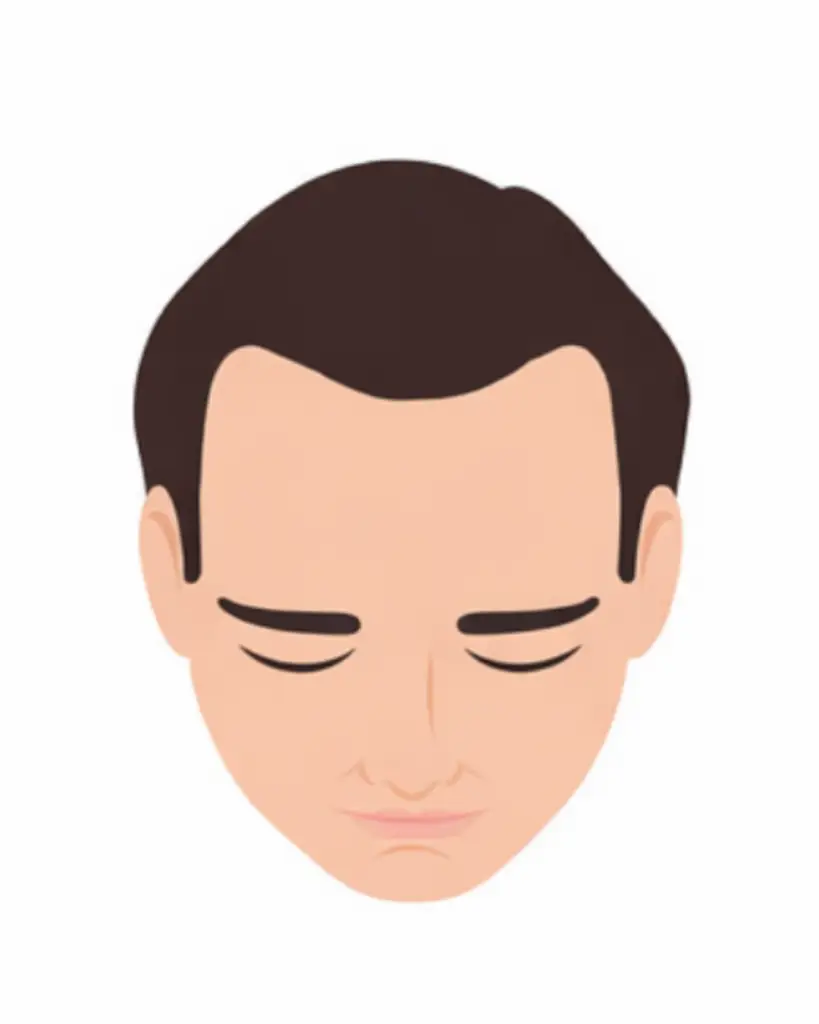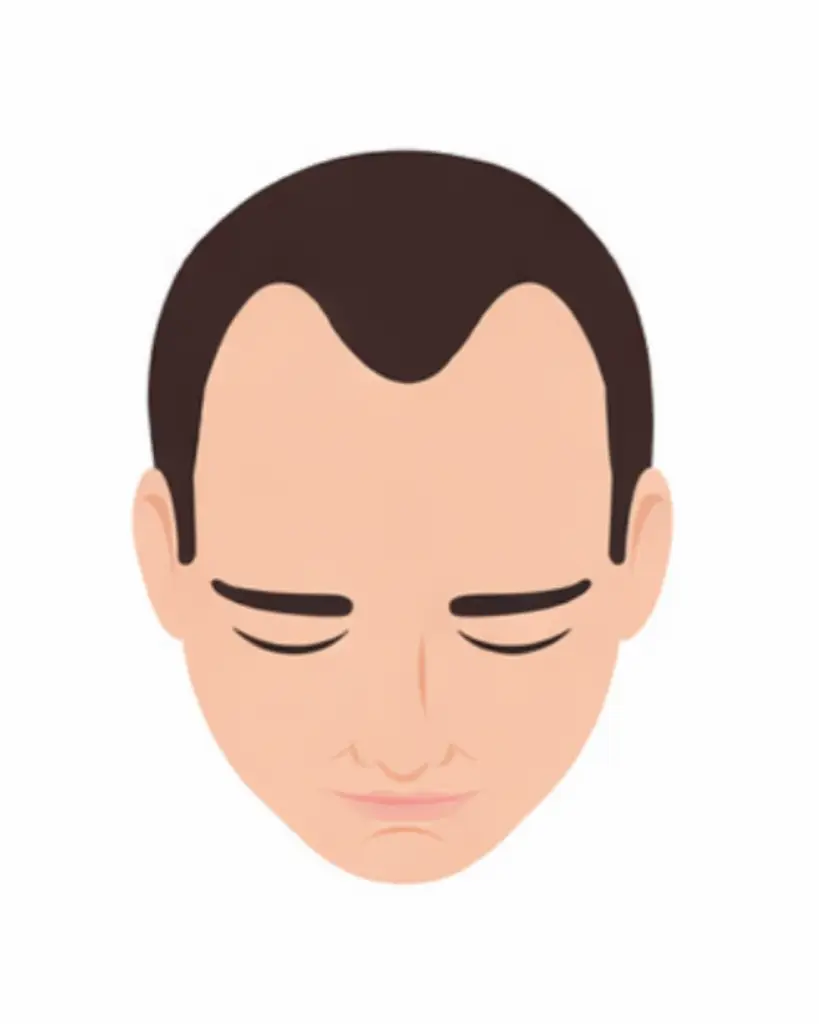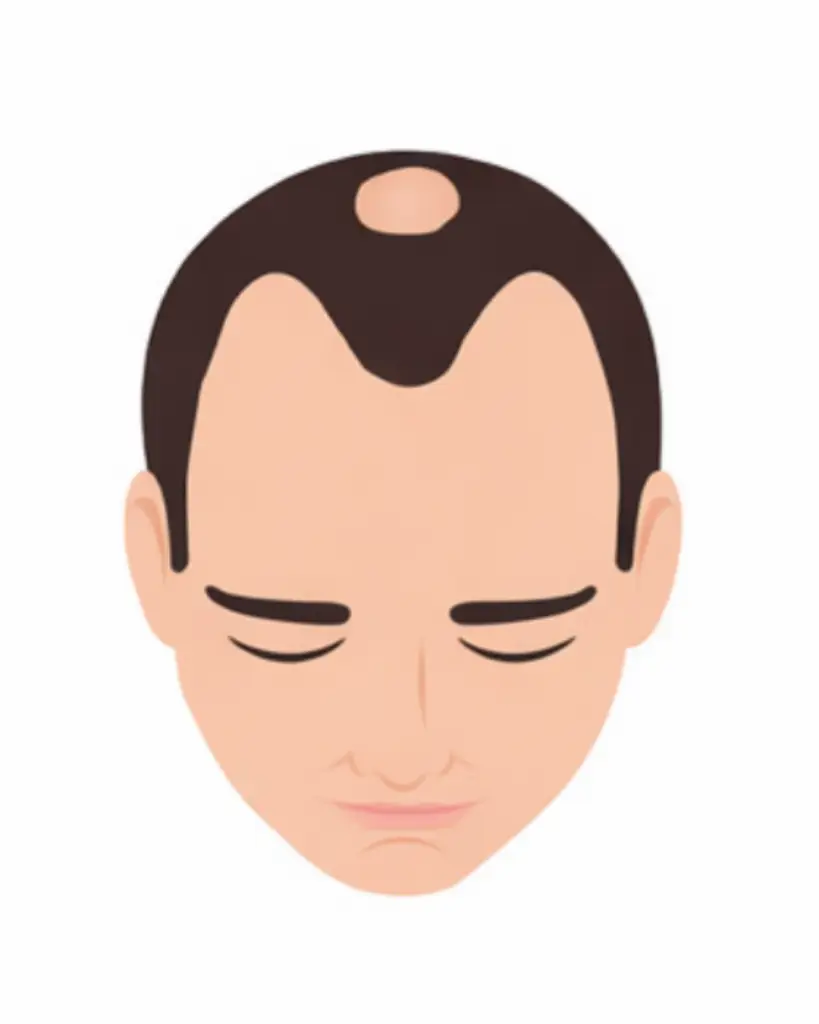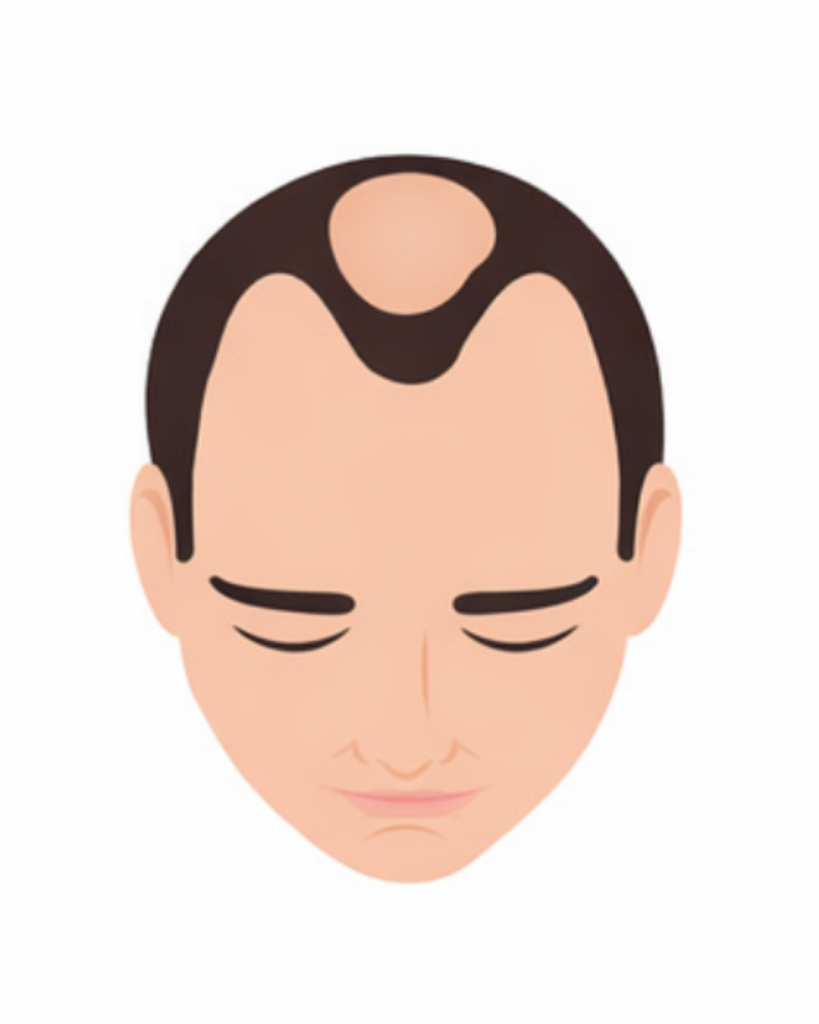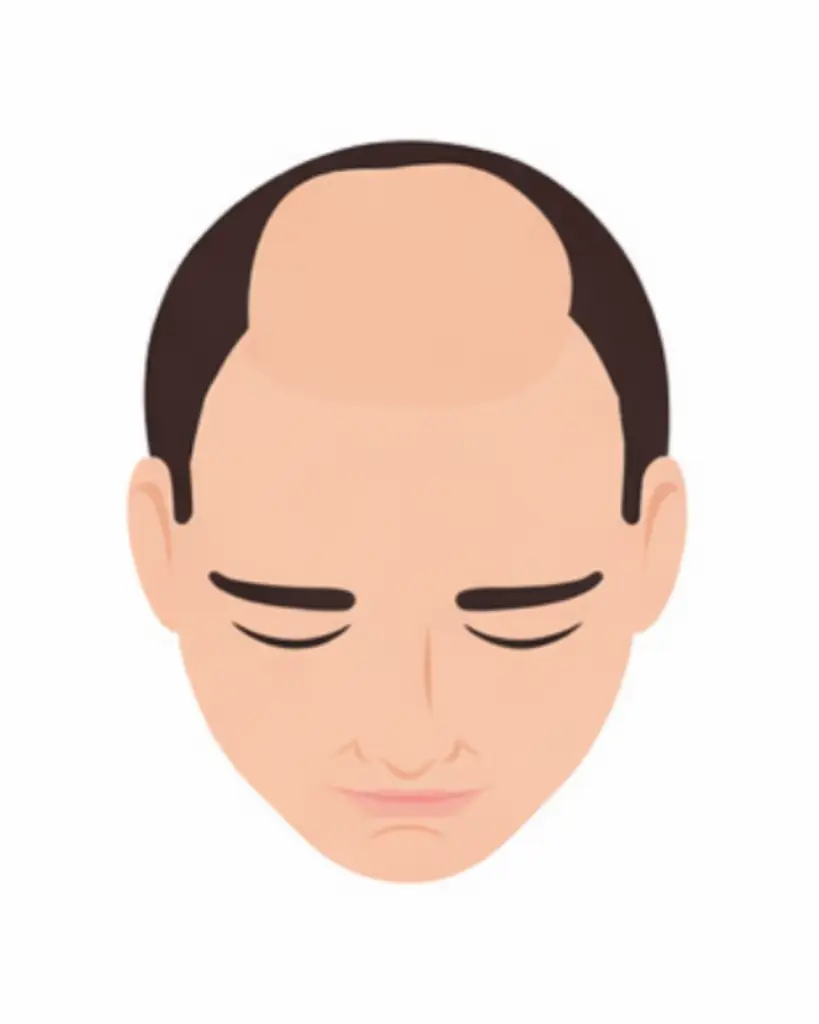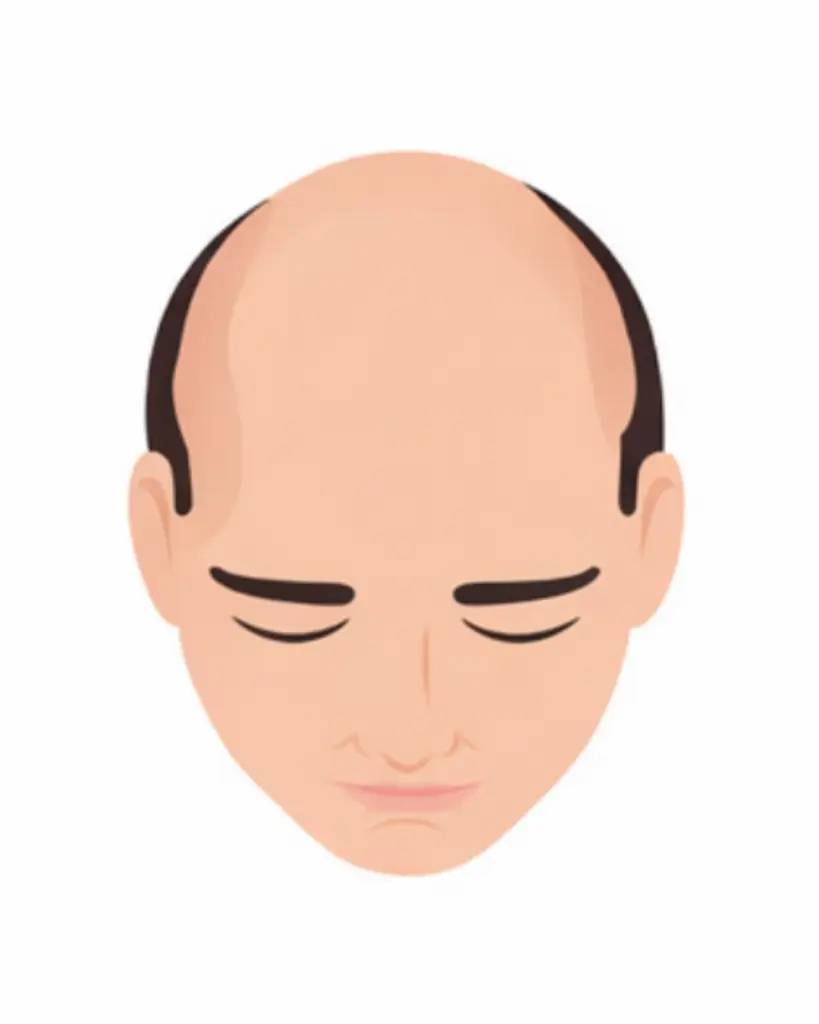

Hair loss (hair effluvium)
Hair loss is a common phenomenon.
Everyone naturally loses between 50 and 100 hairs per day.
Beyond this threshold, it is referred to as effluvium, meaning excessive or diffuse hair loss.
This loss is often reversible, but it requires a thorough medical assessment to identify the cause and prevent it from worsening.
At ANAGEN, this examination is part of the comprehensive hair diagnosis, before any decision regarding treatment or a transplant.
Common causes of hair loss
Hair loss can occur at any age, in both men and women.
It is often reactive, meaning it is triggered by a temporary imbalance in the body.
Among the most common causes:
- significant or prolonged stress,
- rapid weight loss,
- a high fever or an acute illness,
- recent surgery,
- the postpartum period (after childbirth),
- nutritional deficiencies (iron, zinc, vitamin D, amino acids),
- a hormonal or medication change,
- chronic fatigue or a sleep disorder.
Hair loss is not always synonymous with alopecia: it often reflects a temporary imbalance phase in the hair’s life cycle.
The hair life cycle
Each hair goes through three phases:
- Anagen phase (growth): lasts 3 to 6 years.
- Catagen phase (rest): lasts a few weeks.
- Telogen phase (shedding): the hair falls out to make way for a new one.
In effluvium, too many hairs prematurely enter the telogen phase, causing diffuse shedding, often 2 to 3 months after the triggering event.
Duration and progression
Excessive shedding lasts on average 3 to 6 months, then gradually stabilizes as the triggering factor disappears.
Regrowth begins around the 3rd or 4th month and continues up to 9 to 12 months.
If the loss continues beyond 6 months, a full medical work-up is recommended to rule out chronic or hormonal alopecia.
Hair shedding or permanent loss?
It is essential to distinguish between:
- hair shedding (telogen effluvium): reversible, the follicles remain active;
- permanent loss (androgenetic or scarring alopecia): the follicles gradually atrophy and stop producing new hair.
The difference can only be confirmed with a precise medical diagnosis, notably through trichoscopy.
Medical diagnosis
During a consultation, the doctor assesses:
- the type of shedding (diffuse or localized),
- the stage of progression,
- the density of the donor area,
- and hormonal or nutritional factors.
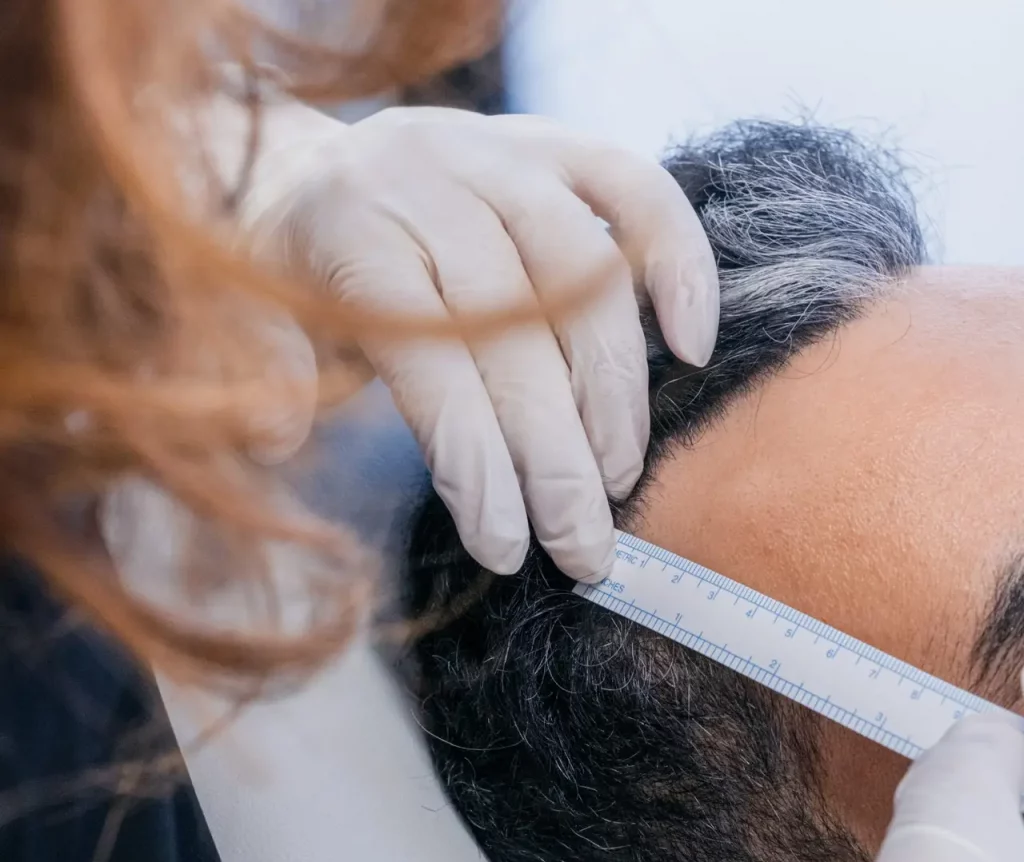
A trichoscopy may be performed to examine the scalp under high magnification and measure the proportion of miniaturized hairs.
This diagnosis guides the treatment plan: medical treatment, stimulation therapies, or a transplant, depending on the case.
Possible treatments
Depending on the identified cause, several solutions may be offered:
1. Drug treatment
- Minoxidil: stimulates regrowth and prolongs the growth phase.
- Finasteride or hormonal treatments (depending on the profile).
These treatments work over the long term and aim to stabilize hair loss.
2. Local stimulation treatments
- Hair mesotherapy: micro-injections of vitamins and minerals.
- PRP (Platelet-Rich Plasma): natural biostimulation of the follicle.
- Nutritional supplementation: in the event of an identified deficiency.
3. Complementary care
- A balanced lifestyle, stress management, and a diet rich in protein and micronutrients.
- Gentle scalp care, without traction or excessive heat.
The role of the hair specialist
Hair loss should never be self-diagnosed.
Only a doctor trained in hair medicine can:
- distinguish temporary shedding from progressive alopecia,
- identify the underlying causes,
- and propose a tailored treatment plan for each profile.
At ANAGEN, each patient benefits from a comprehensive diagnosis, including trichoscopy before any treatment, in order to determine the most appropriate solution.
We answer all your questions
Do not hesitate to call us at 04 78 08 93 63 if your question is not in the list.
1. What is a hair transplant?
A hair transplant is a medical procedure that involves taking hair follicles from a donor area (often the back of the head) to reimplant them in thinning or balding areas.
Transplanted grafts retain their permanent character, allowing for definitive and natural regrowth.
2. What is the difference between FUE and FUT?
FUE (Follicular Unit Extraction) is a modern technique that allows grafts to be harvested one by one, without a visible linear scar.
FUT (Follicular Unit Transplantation), which is older, involves a surgical strip taken from the back of the head.
FUE is today the most used method for its precision and scar discretion.
3. Who is hair transplant for?
Hair transplant is intended for people suffering from androgenetic alopecia, mainly men between 25 and 60 years old.
A medical evaluation is necessary to check the density and quality of the donor area, as well as the stability of hair loss before considering an intervention.
4. How many grafts can be implanted in one session?
The number of grafts depends on the surface to be treated and the density of the donor area.
A session can range from 1,000 to 6,000 grafts, spread over one or two days depending on the clinical case.
The practitioner determines the most suitable strategy after the diagnosis.
5. Is the procedure painful?
FUE hair transplant is performed under local anesthesia.
The patient is conscious and relaxed throughout the procedure.
Discomfort may be felt after the intervention, but it disappears in a few days with the prescribed care.
6. When does transplanted hair grow back?
Regrowth follows several natural stages:
- Temporary loss of grafts between 2 and 4 weeks after the transplant,
- Start of regrowth around the 3rd or 4th month,
- Visible result at 6 months,
- Final result between 9 and 12 months after the intervention.
Each patient progresses at their own pace.
7. Does hair transplant leave scars?
The FUE technique leaves no linear scar.
Micro-traces may be visible on the donor area for the first few days, but they disappear quickly.
Good healing depends on following post-operative instructions.
8. Does transplanted hair fall out again?
Implanted hair comes from areas genetically programmed not to fall out.
They retain this characteristic after the transplant.
However, non-transplanted hair may continue to thin: regular medical follow-up helps stabilize the progression of baldness.
9. How long does a hair transplant session last?
The duration depends on the number of grafts to be implanted.
On average, a session lasts 6 to 8 hours.
For large transplants (up to 6,000 grafts), the intervention can be performed over two consecutive days.
10. What precautions should be taken after a hair transplant?
The first few days require specific care to protect the grafts:
- Gentle cleaning and thermal water spray,
- Avoid sun, sports, and wearing a cap,
- Sleep with the head slightly elevated,
- Follow the post-operative instructions given by the center.
Personalized follow-up is provided to accompany each stage of healing.