
Female Hair
Loss
Hair loss in women is a common phenomenon, yet still too often underestimated.
It is estimated that approximately one in three women will be affected by a form of female alopecia during their lifetime.
It can manifest at any age and result from multiple causes: hormonal, hereditary, deficiency-related, or reactive.
For women, hair loss is experienced as a profound attack on self-image.
This is why it requires comprehensive medical management, based on an accurate diagnosis and a holistic approach.
Understanding the Mechanisms of Female Alopecia
Unlike male alopecia, which is often localized (receding hairline, tonsure, vertex), hair loss in women is generally diffuse: the hair thins without clear bald spots.
The roots gradually thin, giving the impression of reduced volume on the top of the scalp.
Main causes:
- Female androgenetic alopecia: the most common type, linked to hormonal sensitivity to DHT (as in men), but with a different distribution.
- Postpartum alopecia: reactive hair loss after pregnancy, due to a sudden drop in hormones.
- Deficiency alopecia: iron, vitamin D, zinc, or other micronutrient deficiencies.
- Hormonal disorders: menopause, polycystic ovary syndrome (PCOS), thyroid imbalances.
- Traction alopecia: linked to tight hairstyles, weaves, straightening, or extensions.
- Stress, fatigue, weight loss, illness: common causes of temporary diffuse alopecia.
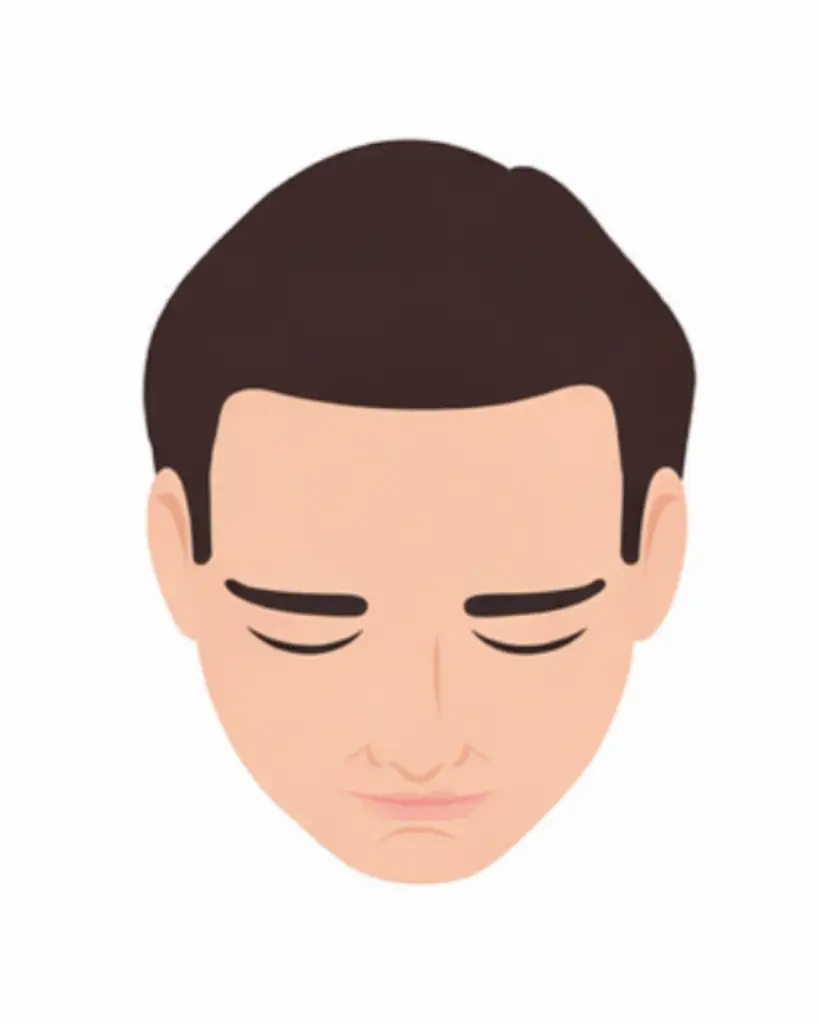
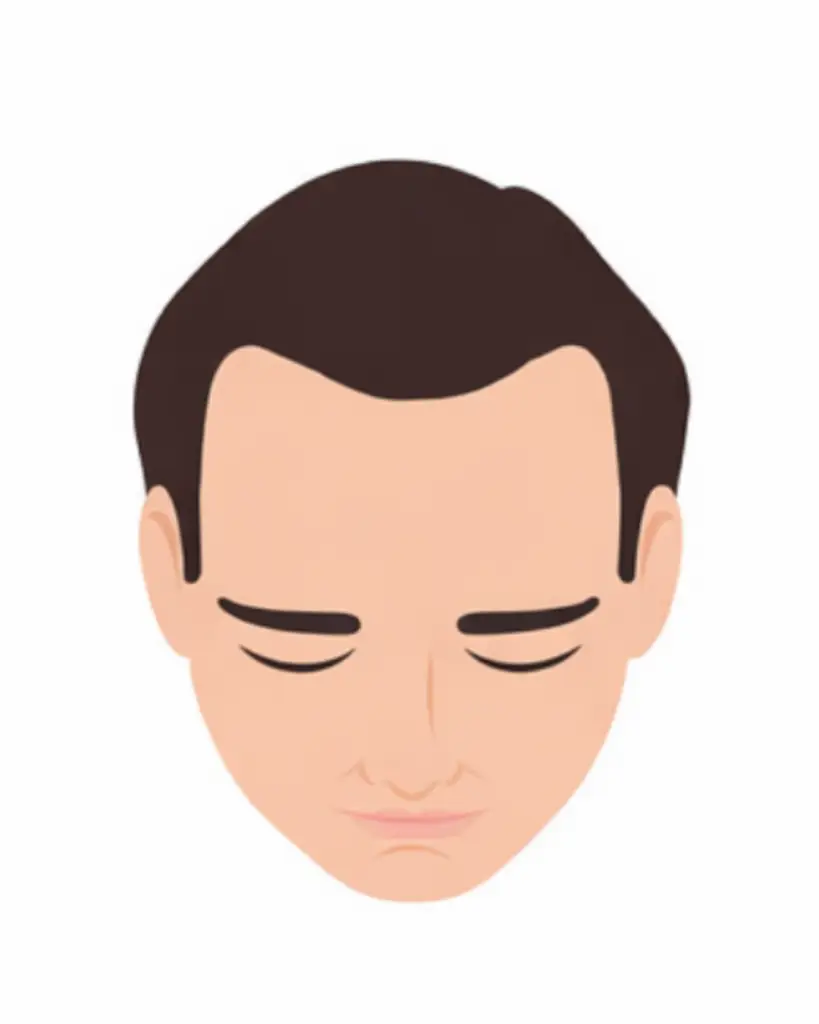
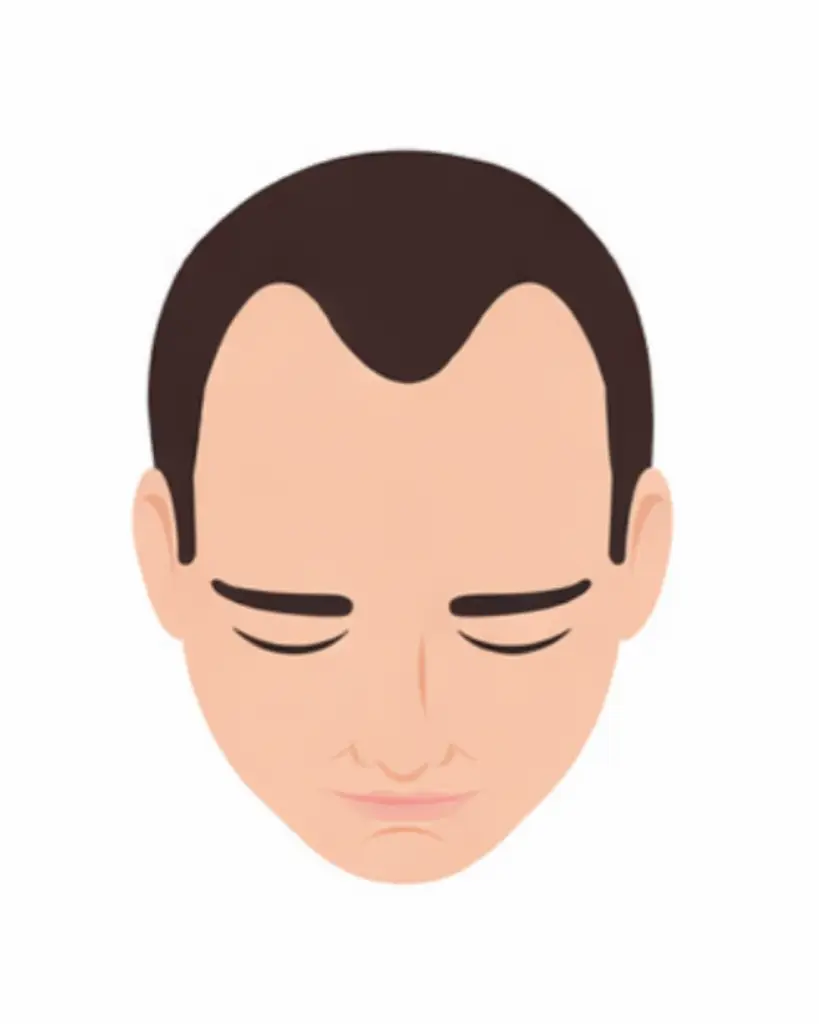
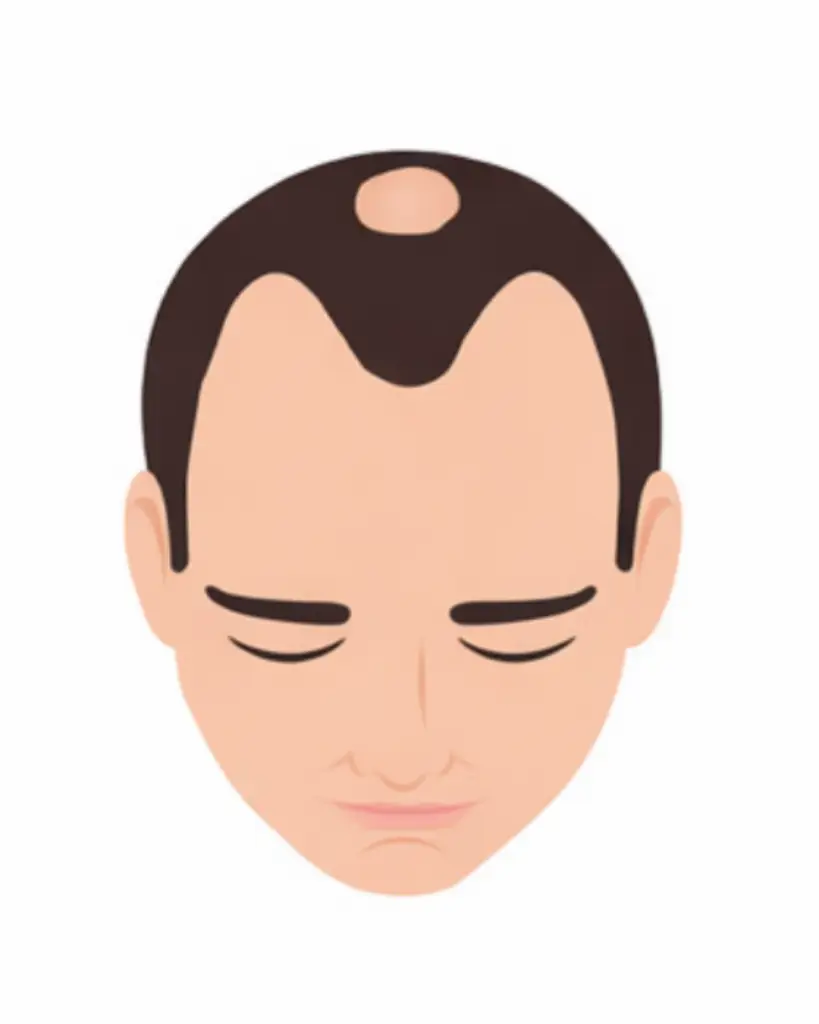
Stages of Female Alopecia
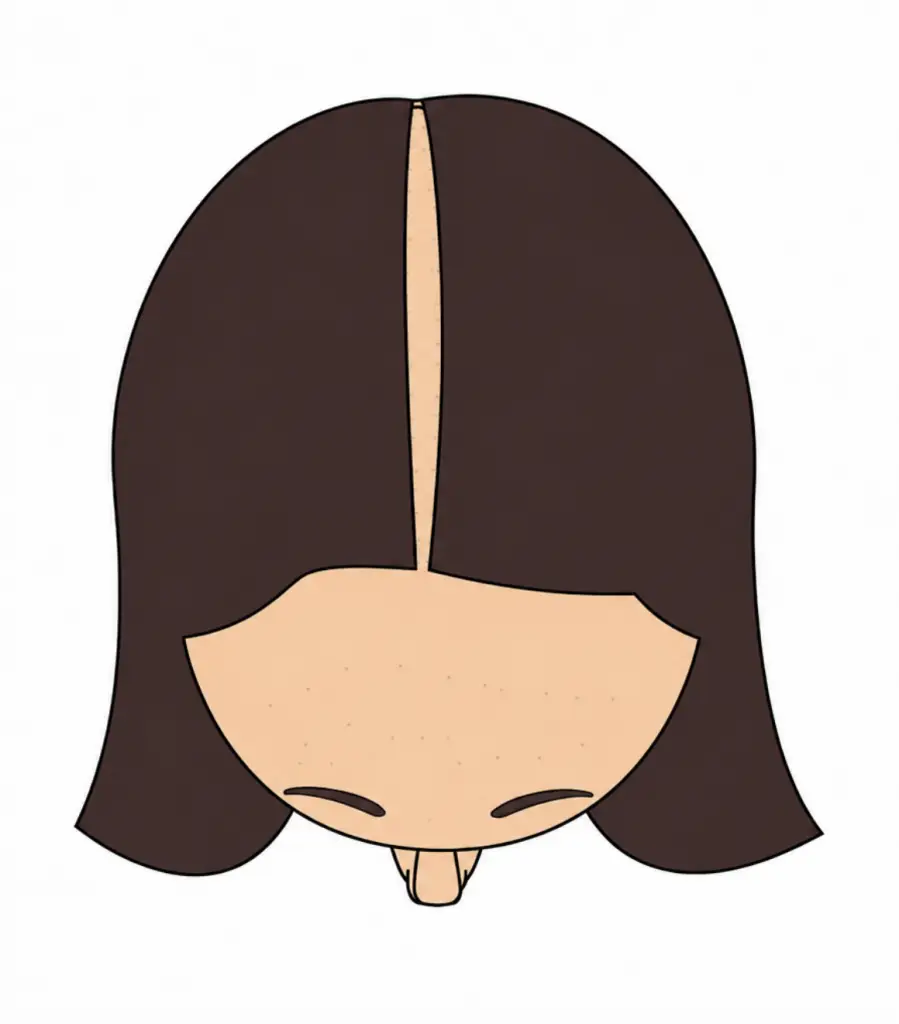
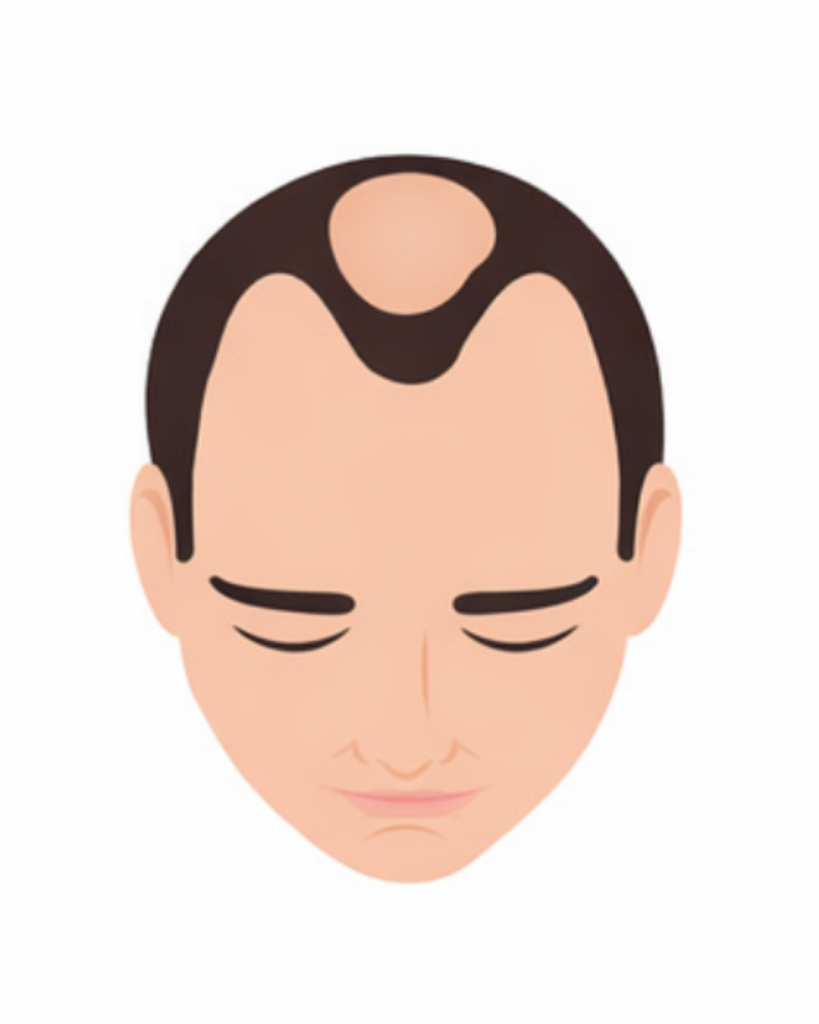
slight thinning along the central parting.
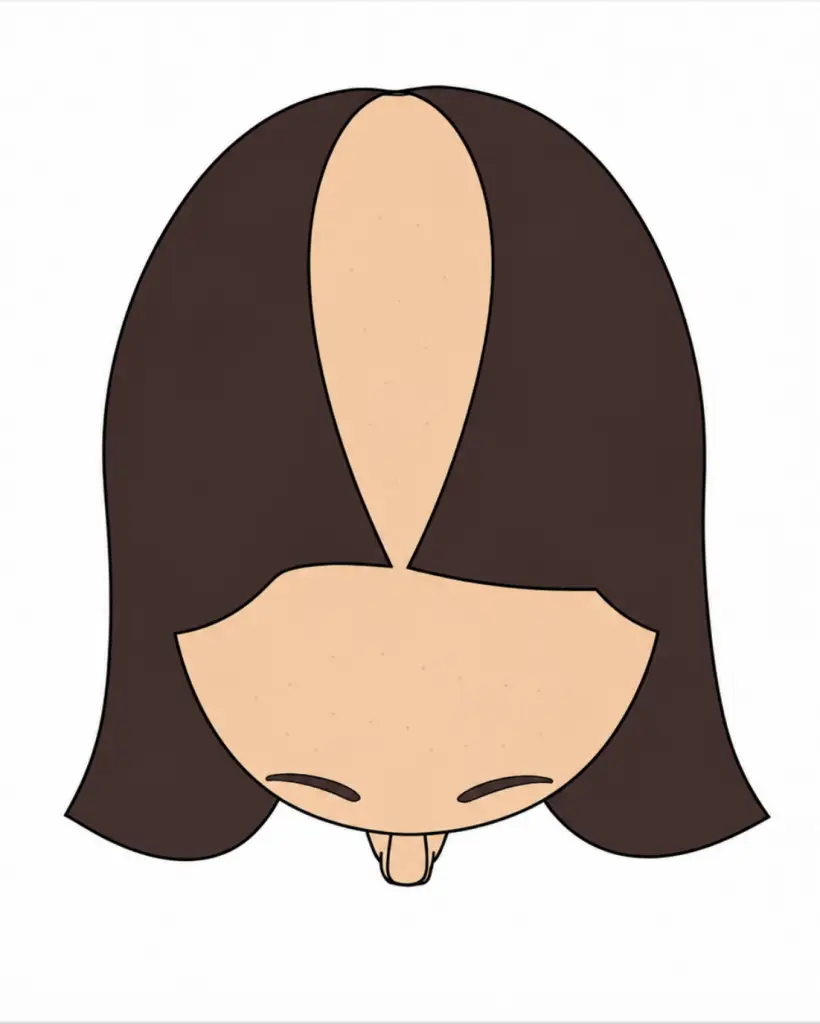
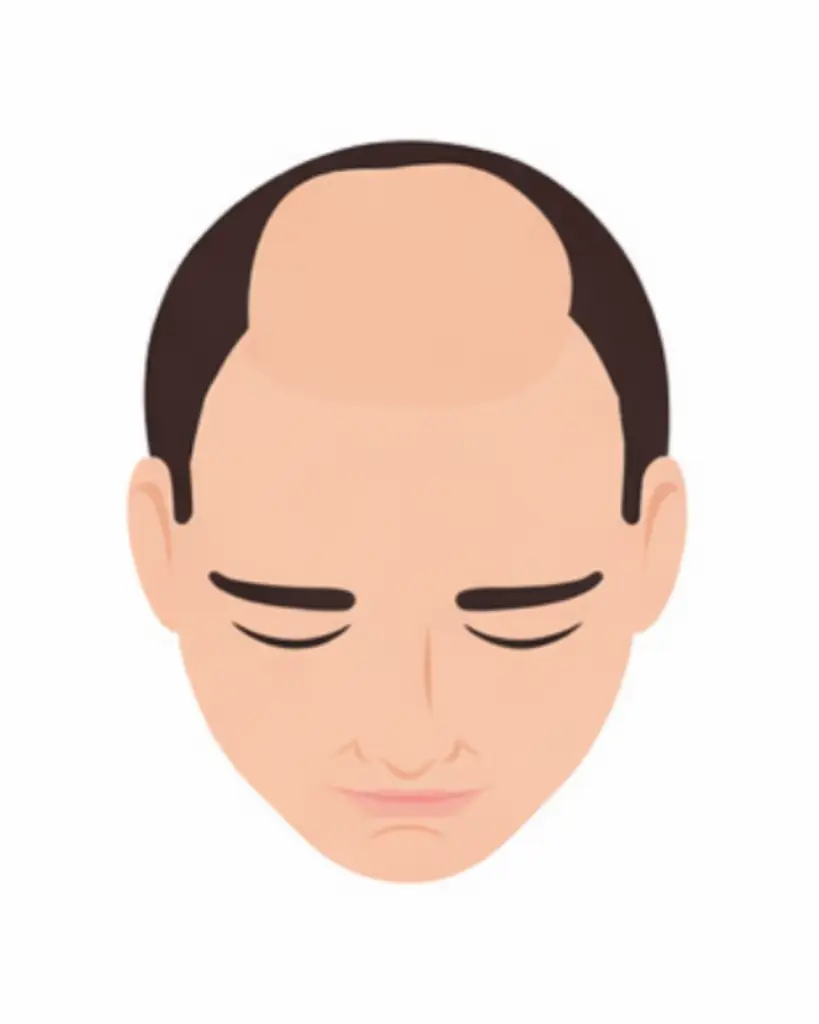
visible density loss on the top of the scalp, the parting widens.
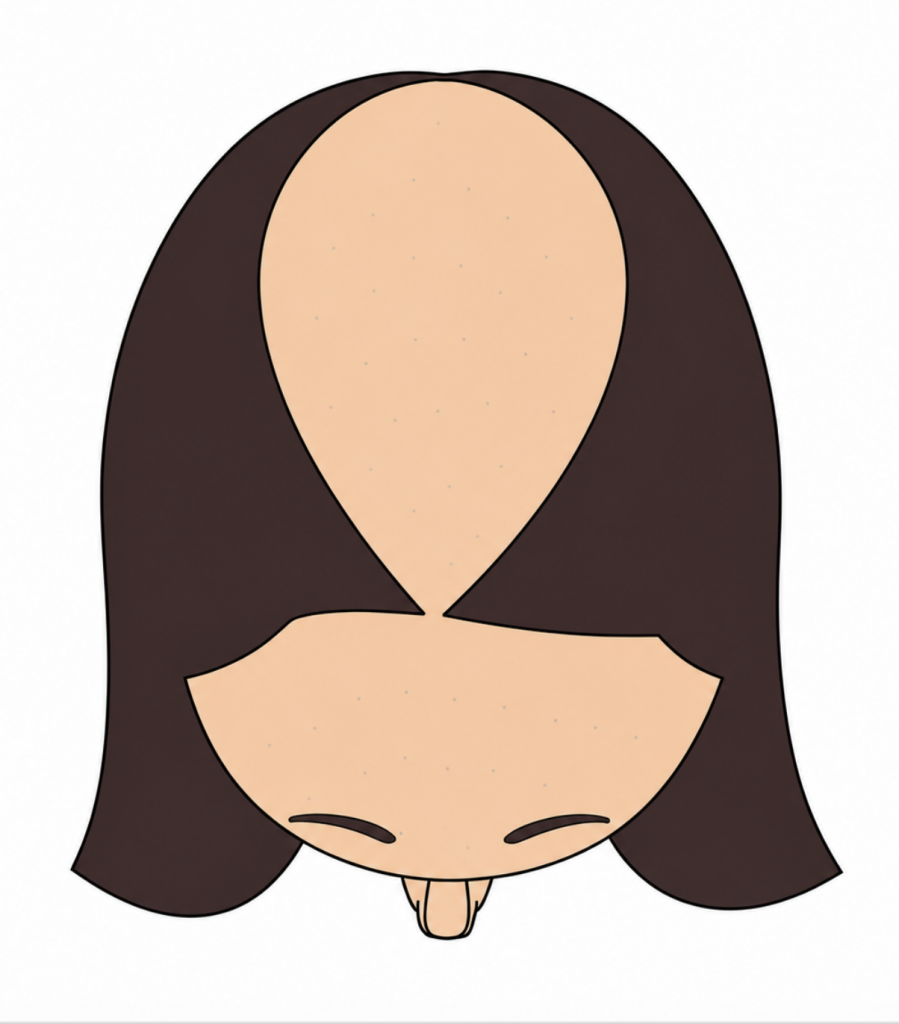
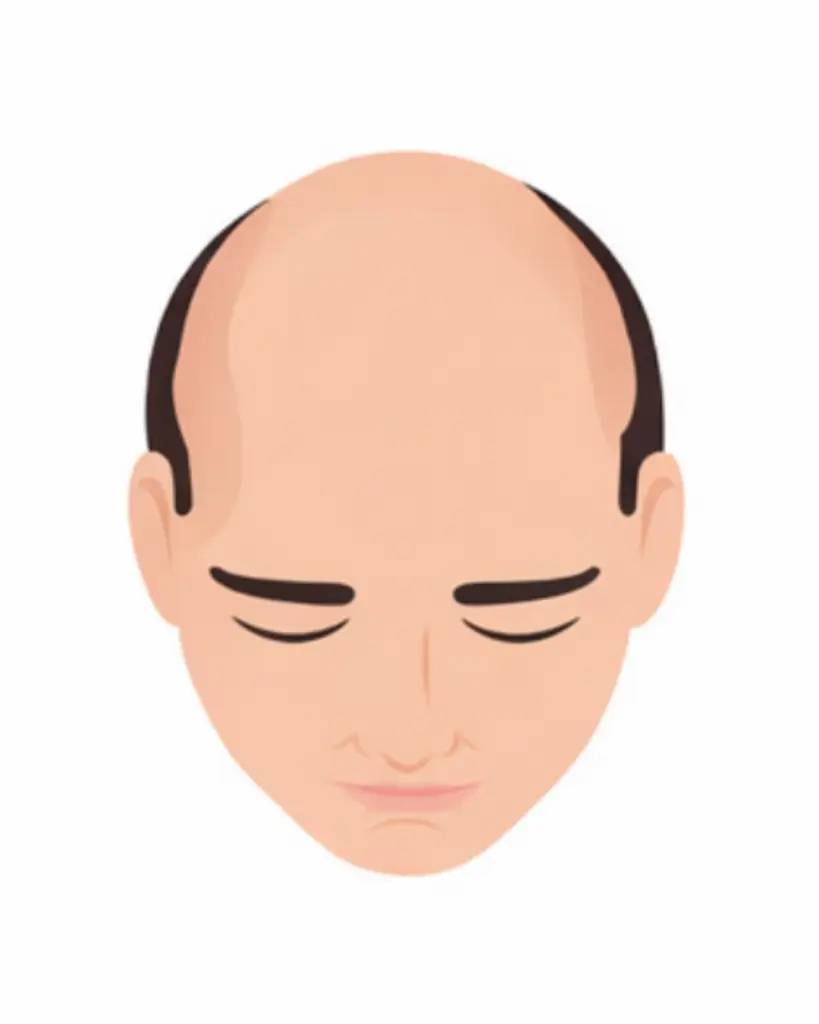
marked alopecia, revealing the scalp through the hair.
Diagnosis: an essential step
Before any treatment, a thorough medical analysis is essential.
It helps determine the cause of hair loss and adapt the protocol.
The diagnosis includes:
- a complete clinical examination,
- trichoscopy (analysis of the scalp and hair diameter),
- sometimes a blood test to look for a deficiency or hormonal disorder.
A hair transplant can only be considered after confirmation of stabilized alopecia and a sufficient donor area.
Possible Medical Treatments
Minoxidil
As a first-line treatment, Minoxidil stimulates microcirculation and prolongs the hair growth phase.
It is applied topically, daily, and helps to slow down hair loss and increase hair density.
Hormonal treatments
In some patients, an anti-androgen treatment (such as spironolactone or very low-dose finasteride) may be considered, under strict medical supervision.
The objective is to correct hormonal imbalances responsible for hair miniaturization.
Nutritional treatments
Food supplements (iron, zinc, B vitamins, biotin, sulfur amino acids) may be prescribed in case of deficiency.
They promote hair fiber quality and support natural regrowth.
Hair mesotherapy
Mesotherapy involves injecting a cocktail of vitamins, minerals, and amino acids into the scalp.
These micro-injections stimulate vascularization and follicle vitality.
It is a well-tolerated treatment, often used for maintenance or prevention.
PRP (Platelet-Rich Plasma)
PRP uses growth factors contained in the patient’s blood to stimulate follicular regeneration.
It is a natural biostimulation treatment, particularly useful for hormonal or postpartum hair loss.
Aesthetic and Non-Medical Solutions
When hair loss is too advanced or medical treatments are insufficient, non-surgical aesthetic solutions can be offered:
- custom hair supplements, fixed to the scalp or integrated into existing hair,
- volumizers or hair prostheses made of natural hair,
- scalp micropigmentation, which creates a visual illusion of density.
These options provide immediate results without surgical intervention.
Hair Transplant for Women
FUE transplantation can be considered for women in certain well-selected cases:
- stabilized androgenetic alopecia,
- localized loss (thinning areas, scars, receding hairline),
- or densification of the top of the scalp when the donor area is sufficient.
Female transplants require meticulous analysis and finer implantation, to respect the natural direction and texture of the hair.
At ANAGEN, hair transplantation for women is accompanied by medical follow-up and complementary treatments, depending on the indication.
We answer all your questions
Do not hesitate to call us at 04 78 08 93 63 if your question is not in the list.

1. What is a hair transplant?
A hair transplant is a medical procedure that involves taking hair follicles from a donor area (often the back of the head) to reimplant them in thinning or balding areas.
Transplanted grafts retain their permanent character, allowing for definitive and natural regrowth.
2. What is the difference between FUE and FUT?
FUE (Follicular Unit Extraction) is a modern technique that allows grafts to be harvested one by one, without a visible linear scar.
FUT (Follicular Unit Transplantation), which is older, involves a surgical strip taken from the back of the head.
FUE is today the most used method for its precision and scar discretion.
3. Who is hair transplant for?
Hair transplant is intended for people suffering from androgenetic alopecia, mainly men between 25 and 60 years old.
A medical evaluation is necessary to check the density and quality of the donor area, as well as the stability of hair loss before considering an intervention.
4. How many grafts can be implanted in one session?
The number of grafts depends on the surface to be treated and the density of the donor area.
A session can range from 1,000 to 6,000 grafts, spread over one or two days depending on the clinical case.
The practitioner determines the most suitable strategy after the diagnosis.
5. Is the procedure painful?
FUE hair transplant is performed under local anesthesia.
The patient is conscious and relaxed throughout the procedure.
Discomfort may be felt after the intervention, but it disappears in a few days with the prescribed care.
6. When does transplanted hair grow back?
Regrowth follows several natural stages:
- Temporary loss of grafts between 2 and 4 weeks after the transplant,
- Start of regrowth around the 3rd or 4th month,
- Visible result at 6 months,
- Final result between 9 and 12 months after the intervention.
Each patient progresses at their own pace.
7. Does hair transplant leave scars?
The FUE technique leaves no linear scar.
Micro-traces may be visible on the donor area for the first few days, but they disappear quickly.
Good healing depends on following post-operative instructions.
8. Does transplanted hair fall out again?
Implanted hair comes from areas genetically programmed not to fall out.
They retain this characteristic after the transplant.
However, non-transplanted hair may continue to thin: regular medical follow-up helps stabilize the progression of baldness.
9. How long does a hair transplant session last?
The duration depends on the number of grafts to be implanted.
On average, a session lasts 6 to 8 hours.
For large transplants (up to 6,000 grafts), the intervention can be performed over two consecutive days.
10. What precautions should be taken after a hair transplant?
The first few days require specific care to protect the grafts:
- Gentle cleaning and thermal water spray,
- Avoid sun, sports, and wearing a cap,
- Sleep with the head slightly elevated,
- Follow the post-operative instructions given by the center.
Personalized follow-up is provided to accompany each stage of healing.