
Hair Transplant in France
Medical management of hair loss at the ANAGEN center
Hair transplantation in France has become a reliable and regulated solution for treating hair loss, particularly androgenetic alopecia in men.
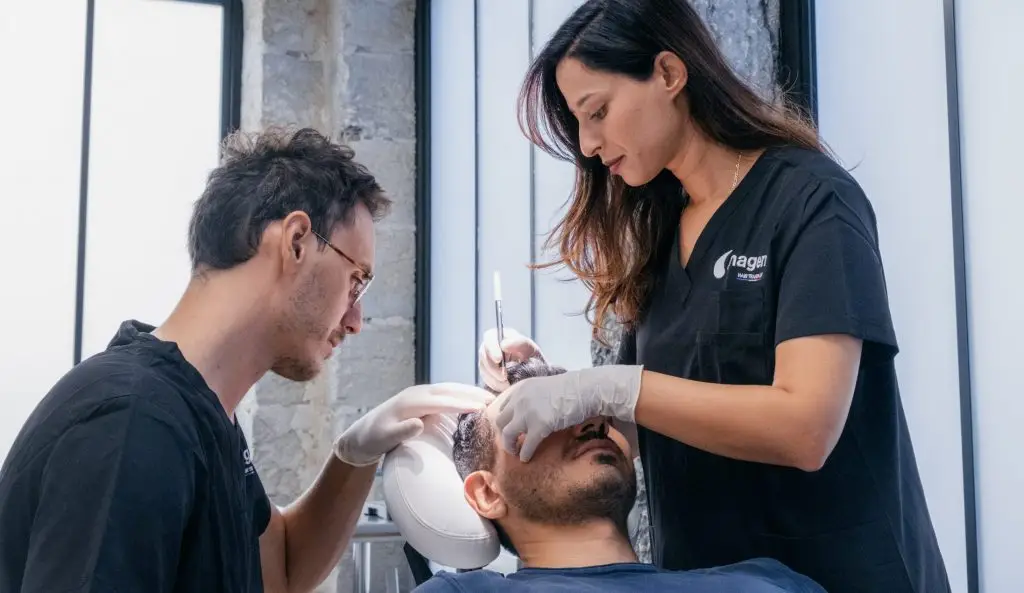
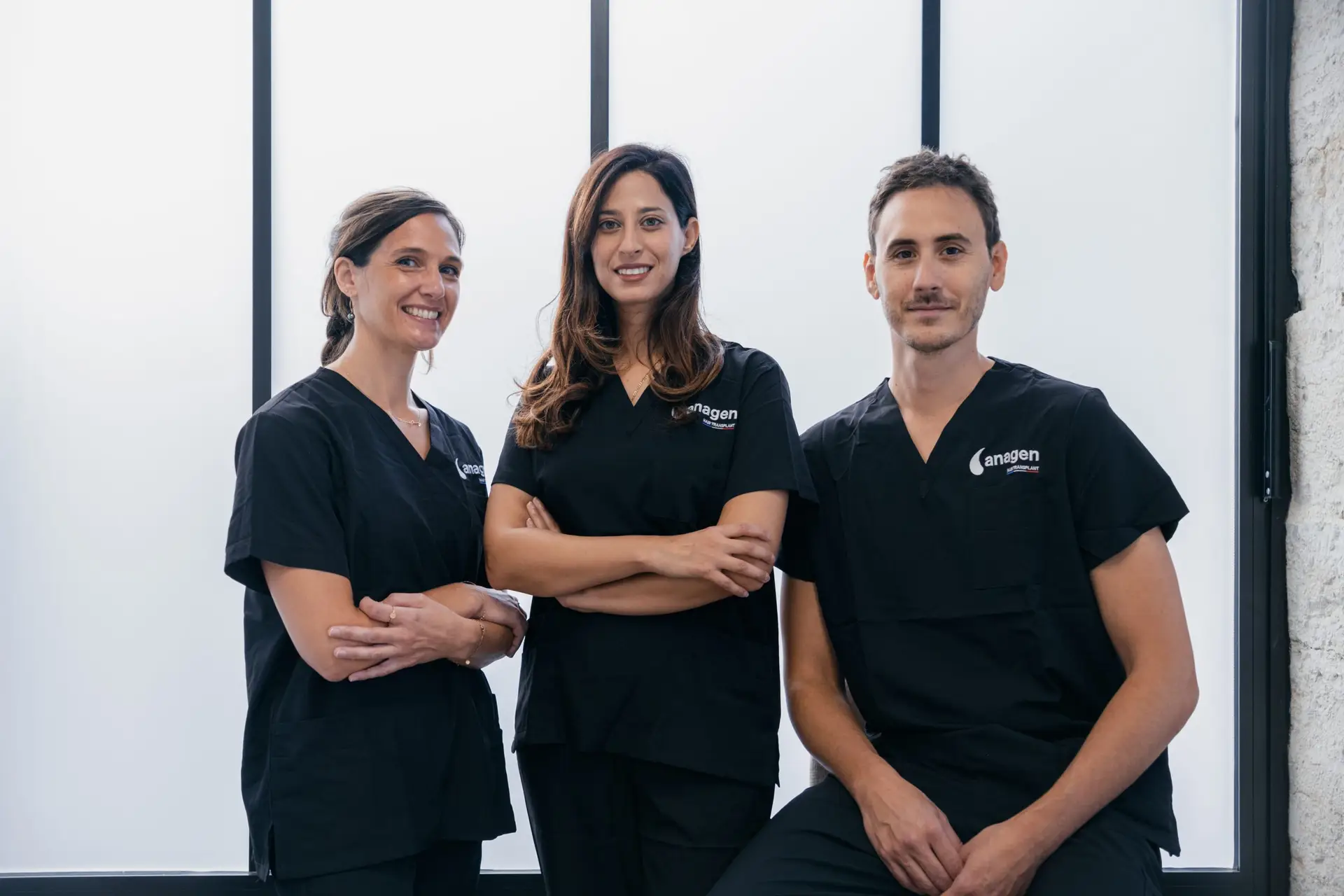
At the ANAGEN center, located in Lyon, hair transplantation is approached as a full medical procedure. Each patient benefits from a precise analysis, a personalized treatment plan, and rigorous follow-up, performed by Dr. Arnaud Ponçon and Dr. Maroua Gmati.
Why have a hair transplant in France?
Choosing to have your hair transplant in France allows you to benefit from a strict medical framework, with trained practitioners, regulated protocols, and accessible follow-up.
Unlike certain standardized approaches, medical care in France is based on:
- a thorough medical consultation
- a precisely determined indication
- a hair restoration plan tailored to each patient
- long-term follow-up
Hair transplantation is not simply about the number of grafts. It requires a comprehensive understanding of hair loss and its progression.
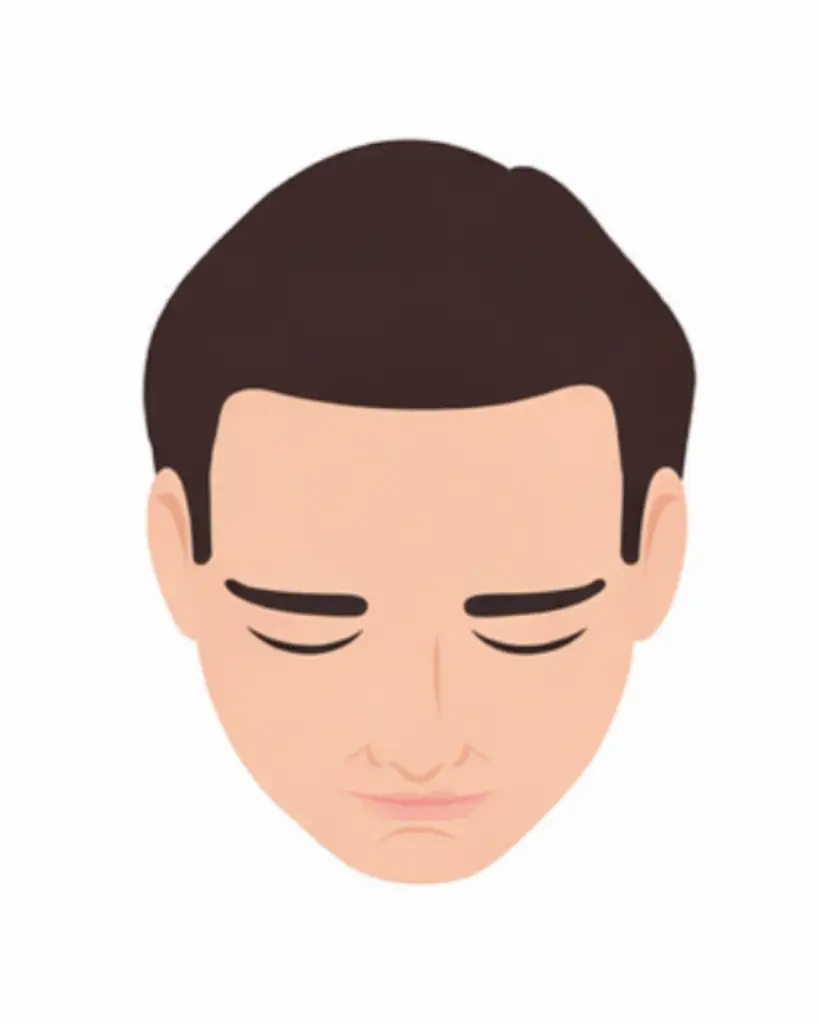
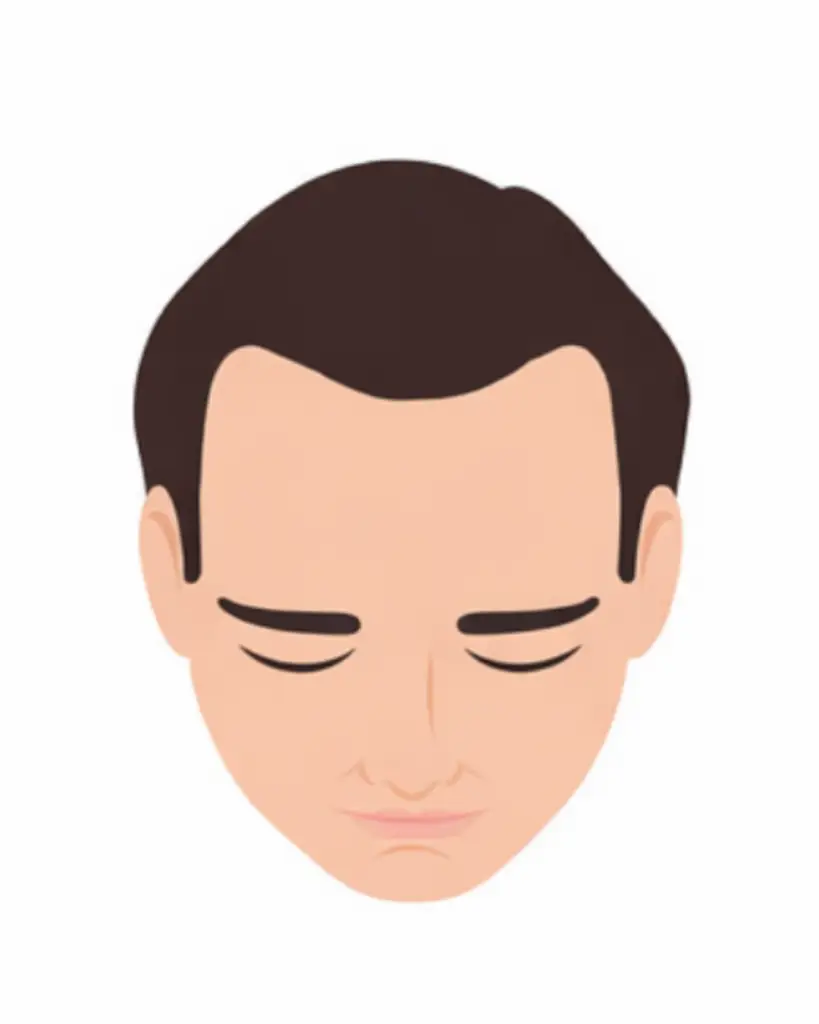
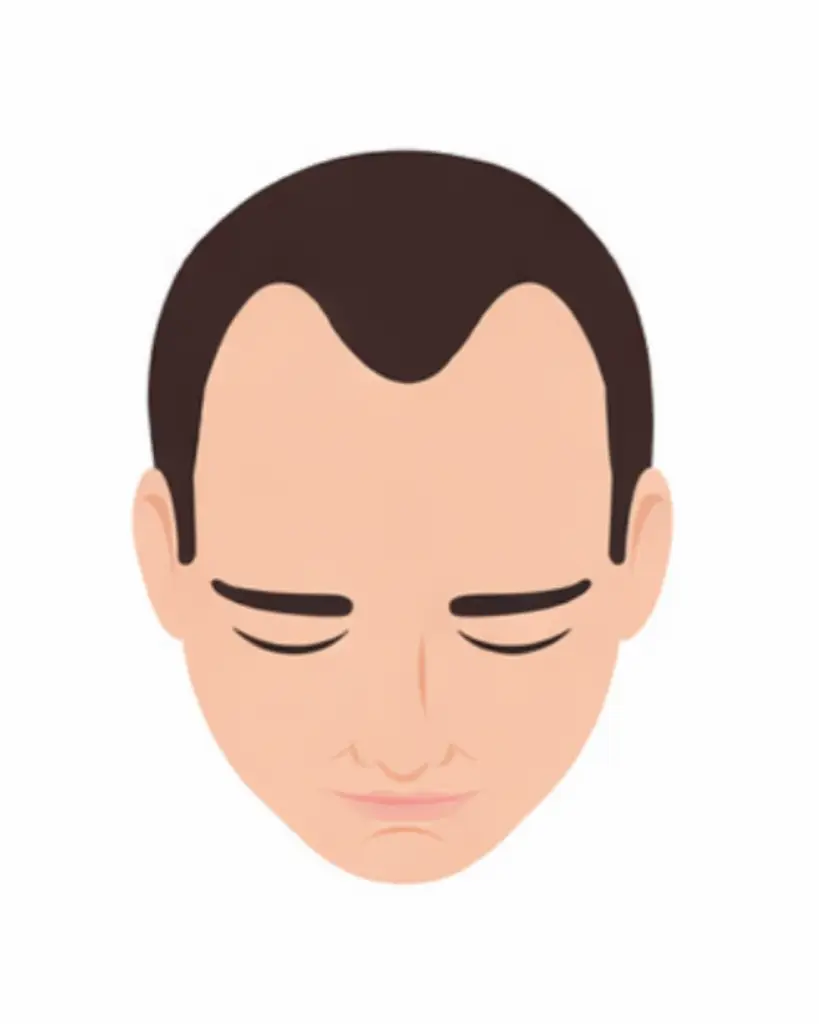
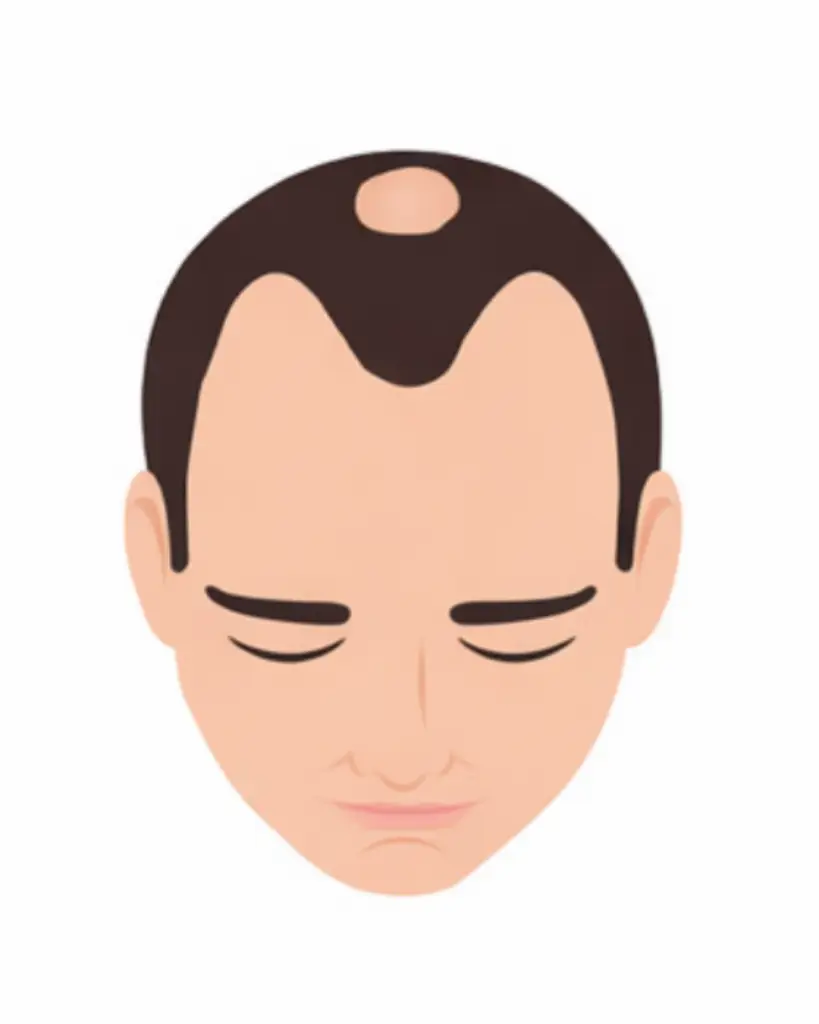
Before/After Results
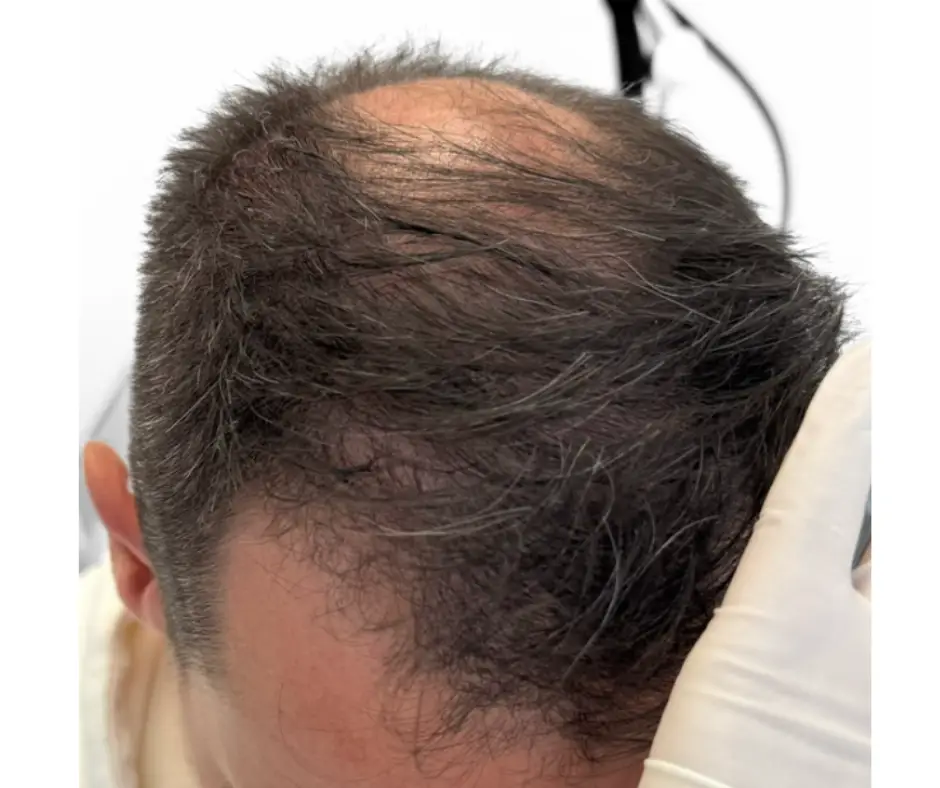
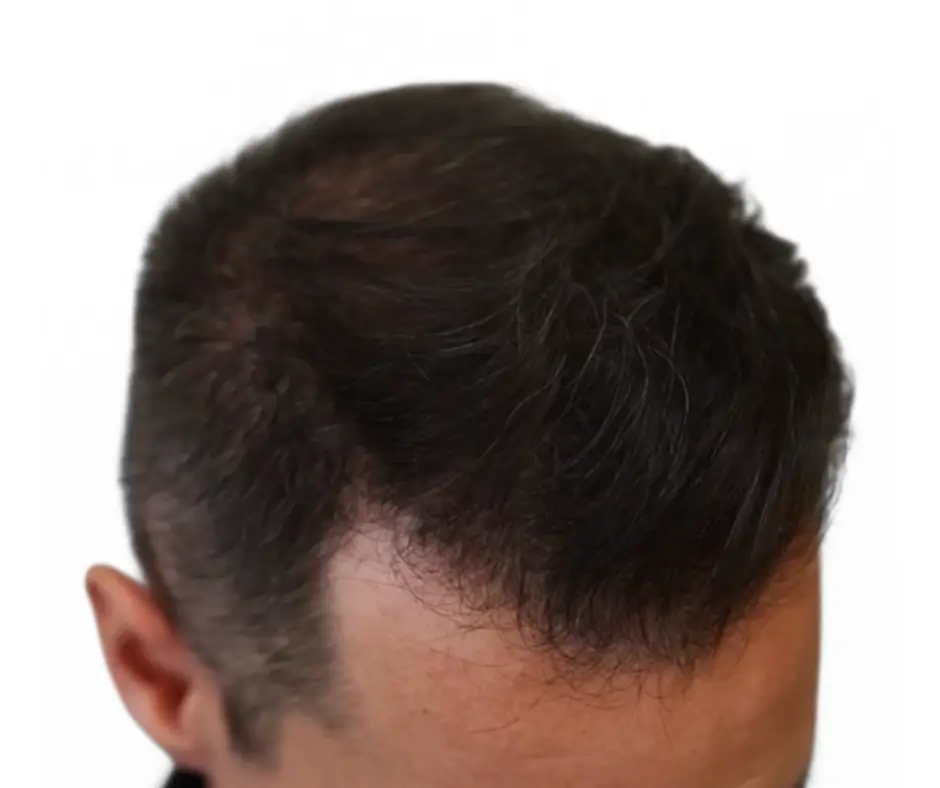
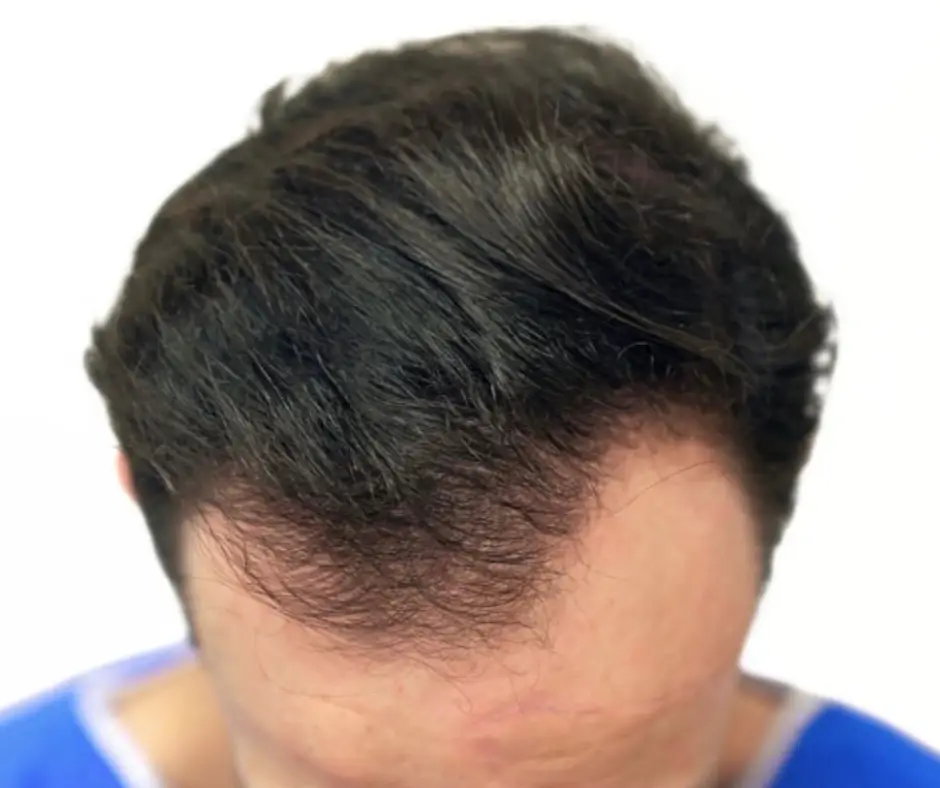
The FUE technique: current reference in hair transplantation
The majority of hair transplants in France are now performed using the FUE (Follicular Unit Extraction) technique.
This method involves extracting follicular units one by one from the donor area, then reimplanting them in the thinning areas.
At ANAGEN, this technique is used to:
- reconstruct a natural hairline
- densify thinning areas
- treat more advanced hair loss
Particular attention is paid to managing the donor area and ensuring long-term consistency of results.
A medical and personalized approach
Each hair transplant project is different. The objective is not only aesthetic, but also medical.
Before any procedure, several elements are analyzed:
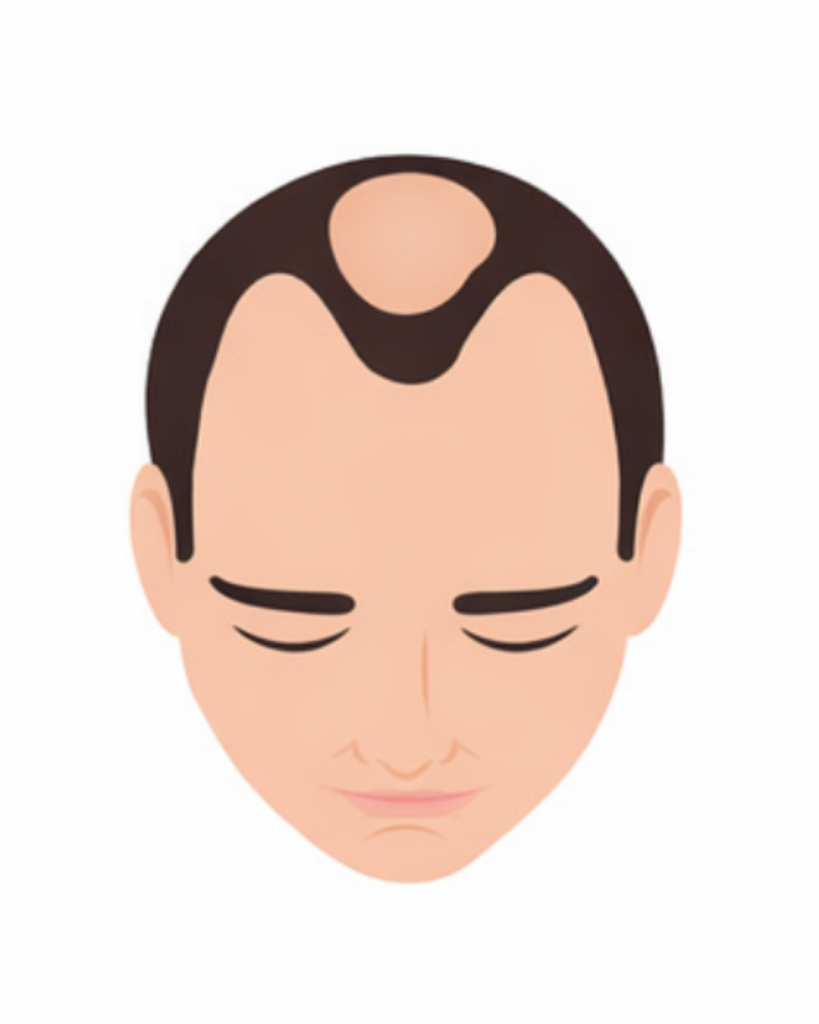
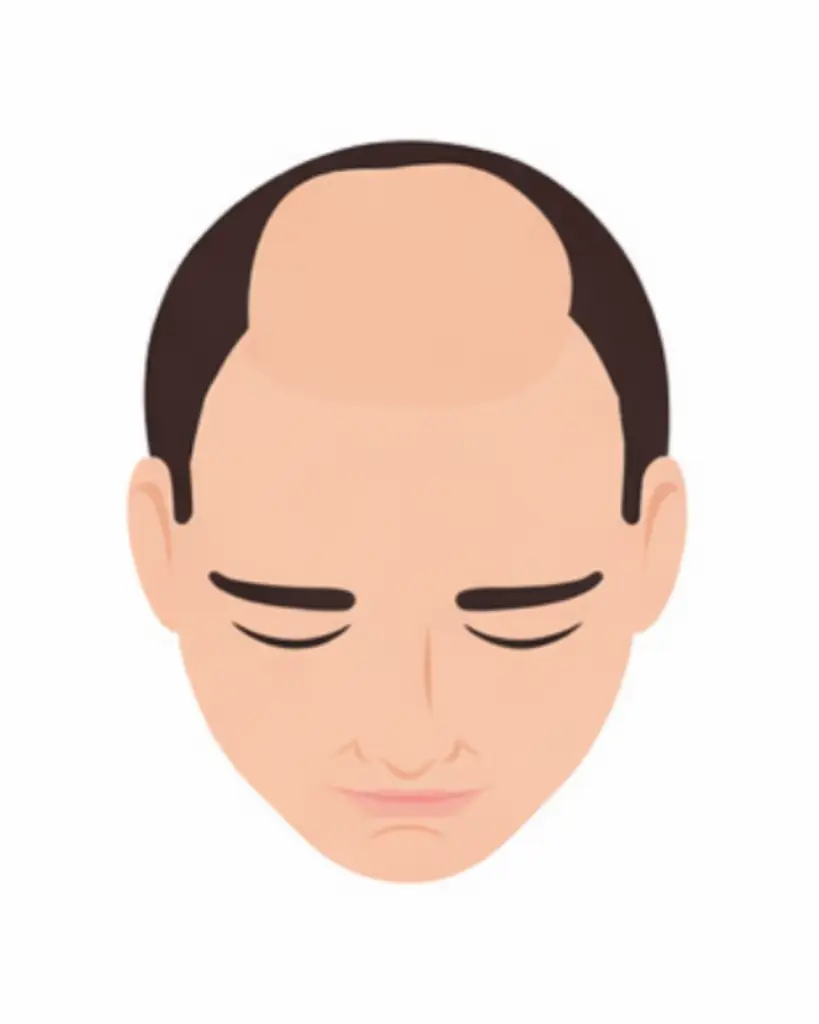
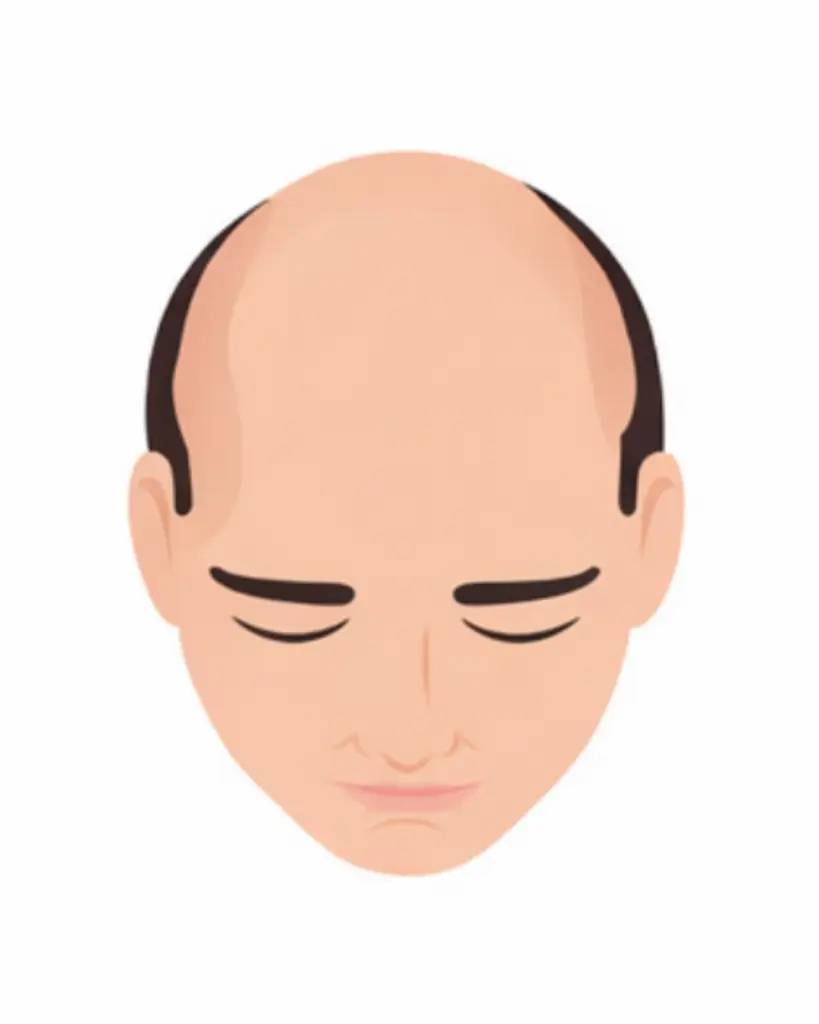
- the progression of hair loss
- the quality and density of the donor area
- the patient’s expectations
- short-term and long-term possibilities
This approach helps avoid artificial or unsuitable results and build a coherent plan.
Structured support
At the ANAGEN center, hair transplantation is part of a complete process:
- initial consultation with scalp analysis
- definition of a hair restoration strategy
- procedure performed by the physicians
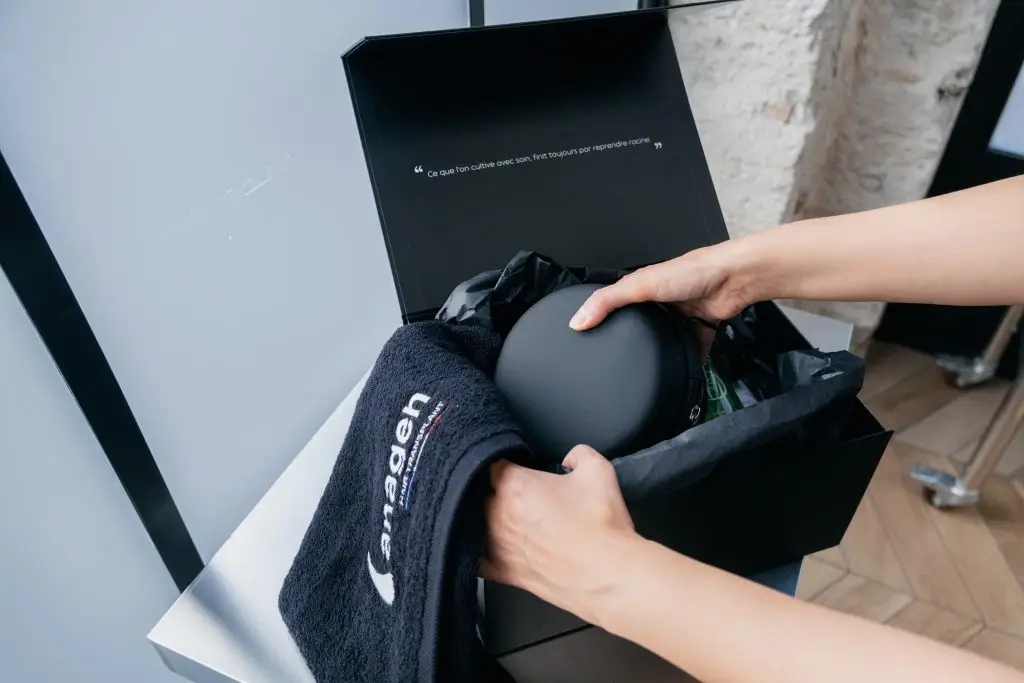
- provision of a tailored post-operative kit
- follow-up provided directly by the practitioners
- five follow-up consultations after the transplant
This follow-up allows us to support each stage of regrowth and adjust treatment if necessary.
How does
a transplant work?
Personalized Diagnosis
A confidential appointment to analyze your situation and define the transplant plan suited to your needs.
Personalized Diagnosis
A confidential appointment to analyze your situation and define the transplant plan suited to your needs.
Personalized Diagnosis
A confidential appointment to analyze your situation and define the transplant plan suited to your needs.
Personalized Diagnosis
A confidential appointment to analyze your situation and define the transplant plan suited to your needs.
We answer all your questions
Do not hesitate to call us at 04 78 08 93 63 if your question is not in the list.
1. What is a hair transplant?
A hair transplant is a medical procedure that involves taking hair follicles from a donor area (often the back of the head) to reimplant them in thinning or balding areas.
Transplanted grafts retain their permanent character, allowing for definitive and natural regrowth.
2. What is the difference between FUE and FUT?
FUE (Follicular Unit Extraction) is a modern technique that allows grafts to be harvested one by one, without a visible linear scar.
FUT (Follicular Unit Transplantation), which is older, involves a surgical strip taken from the back of the head.
FUE is today the most used method for its precision and scar discretion.
3. Who is hair transplant for?
Hair transplant is intended for people suffering from androgenetic alopecia, mainly men between 25 and 60 years old.
A medical evaluation is necessary to check the density and quality of the donor area, as well as the stability of hair loss before considering an intervention.
4. How many grafts can be implanted in one session?
The number of grafts depends on the surface to be treated and the density of the donor area.
A session can range from 1,000 to 6,000 grafts, spread over one or two days depending on the clinical case.
The practitioner determines the most suitable strategy after the diagnosis.
5. Is the procedure painful?
FUE hair transplant is performed under local anesthesia.
The patient is conscious and relaxed throughout the procedure.
Discomfort may be felt after the intervention, but it disappears in a few days with the prescribed care.
6. When does transplanted hair grow back?
Regrowth follows several natural stages:
- Temporary loss of grafts between 2 and 4 weeks after the transplant,
- Start of regrowth around the 3rd or 4th month,
- Visible result at 6 months,
- Final result between 9 and 12 months after the intervention.
Each patient progresses at their own pace.
7. Does hair transplant leave scars?
The FUE technique leaves no linear scar.
Micro-traces may be visible on the donor area for the first few days, but they disappear quickly.
Good healing depends on following post-operative instructions.
8. Does transplanted hair fall out again?
Implanted hair comes from areas genetically programmed not to fall out.
They retain this characteristic after the transplant.
However, non-transplanted hair may continue to thin: regular medical follow-up helps stabilize the progression of baldness.
9. How long does a hair transplant session last?
The duration depends on the number of grafts to be implanted.
On average, a session lasts 6 to 8 hours.
For large transplants (up to 6,000 grafts), the intervention can be performed over two consecutive days.
10. What precautions should be taken after a hair transplant?
The first few days require specific care to protect the grafts:
- Gentle cleaning and thermal water spray,
- Avoid sun, sports, and wearing a cap,
- Sleep with the head slightly elevated,
- Follow the post-operative instructions given by the center.
Personalized follow-up is provided to accompany each stage of healing.