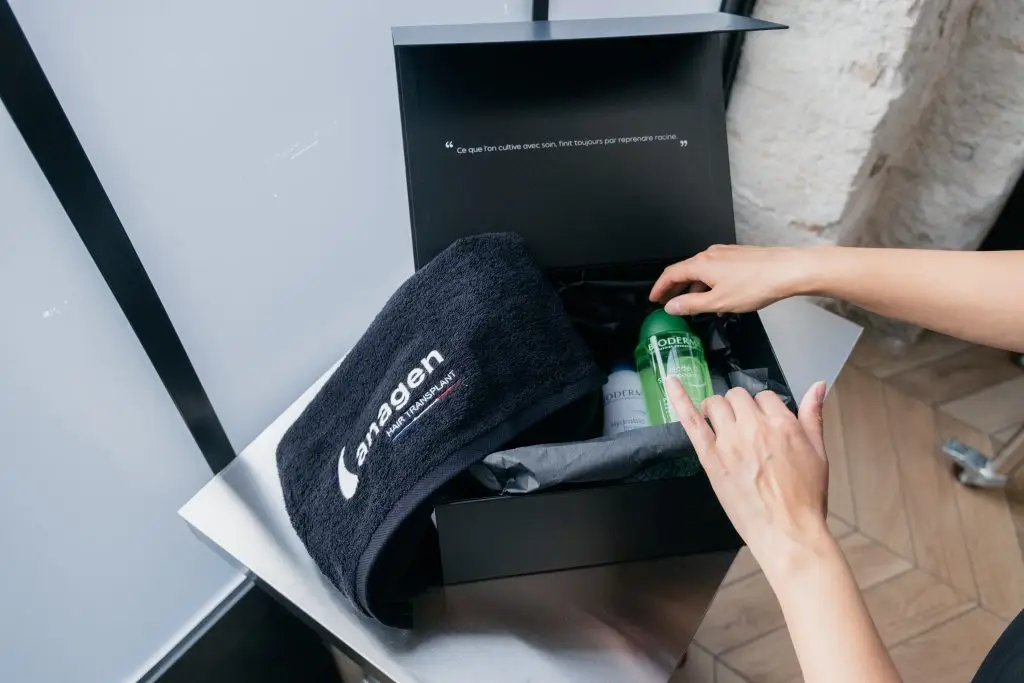
After a hair transplant, the post-operative period plays a crucial role in proper scalp healing and optimal graft integration. This page will guide you through the first days, weeks, and up to 12 months after the procedure, covering our medical recommendations, necessary care, possible side effects, and an FAQ taken directly from our patient documents.
1. Graft Care Tips
Upon your return home, it is important to protect your grafts and follow these instructions:
Hydrating Spray
Spray the grafts every 15 minutes for the first few hours (except at night). (Source: immediate precautions)
Avoid all rubbing
Do not touch the implanted area.
Do not bend your head forward.
Do not wear tight clothing that could snag the area.
Tobacco, Coffee, Tea, Alcohol
Avoid coffee, tea, sodas, alcohol for 24 hours.
Stop smoking for 3 weeks to optimize healing.
Washing Care (from D+2)
Protocol taken from your document:
Moisten the scalp with a glass of lukewarm water.
Mix a pea-sized amount of the provided shampoo with lukewarm water.
Apply the foam by dabbing only the grafted area.
Rub only the donor area.
Rinse with a glass of lukewarm water (no direct jet).
Allow to air dry.
Care Summary D0 → D7
D-D: Thermal water every hour for 24 hours (soothes, hydrates, aids healing).
D+2: Mild shampoo (foam, no rubbing).
D+7: Healing cream according to medical recommendations.
Repeat daily until scabs disappear.
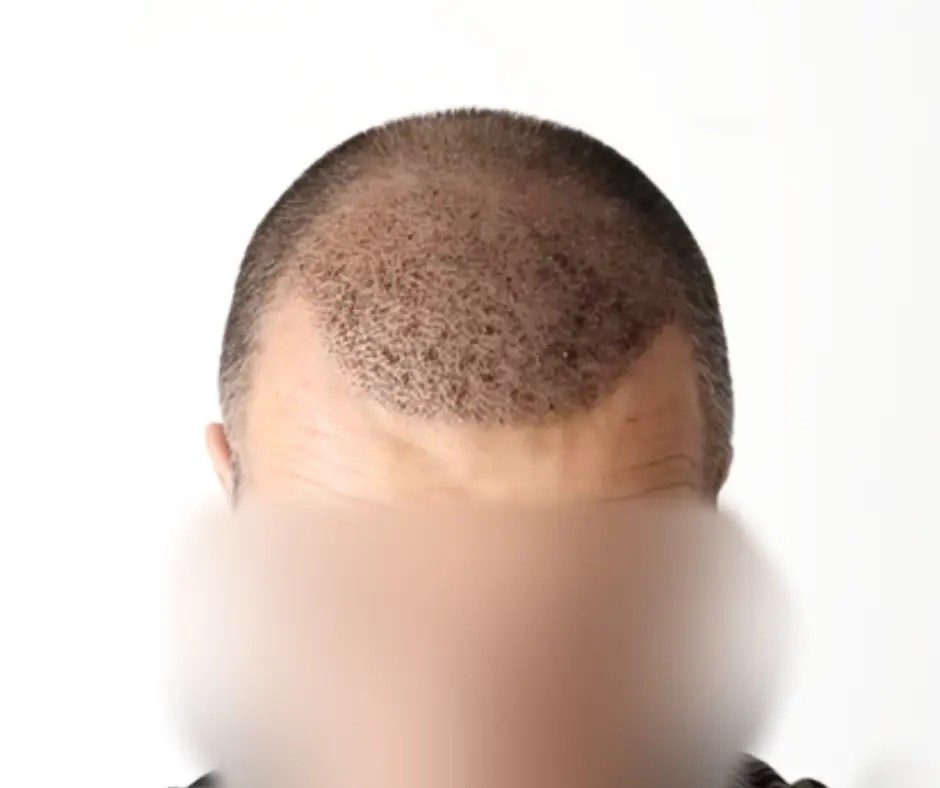
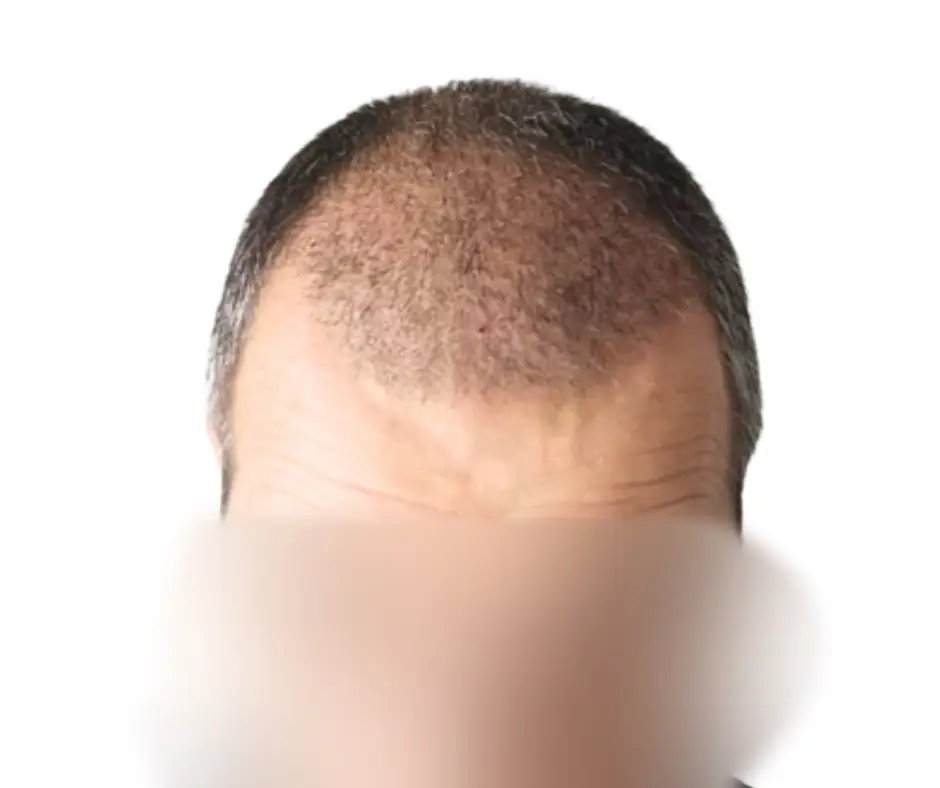
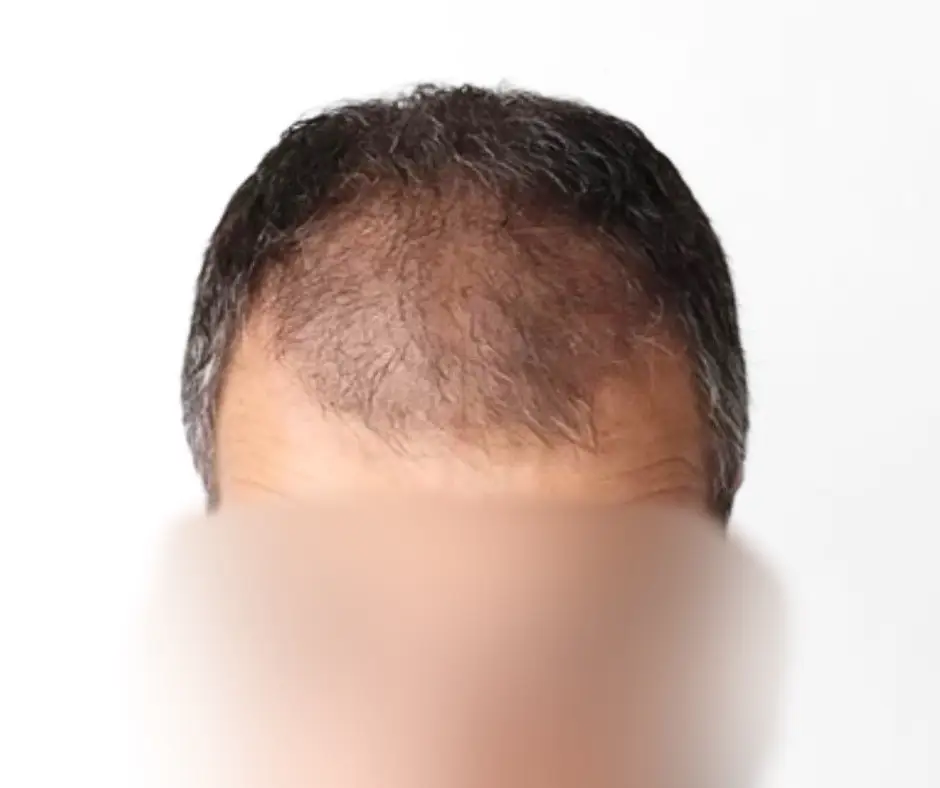
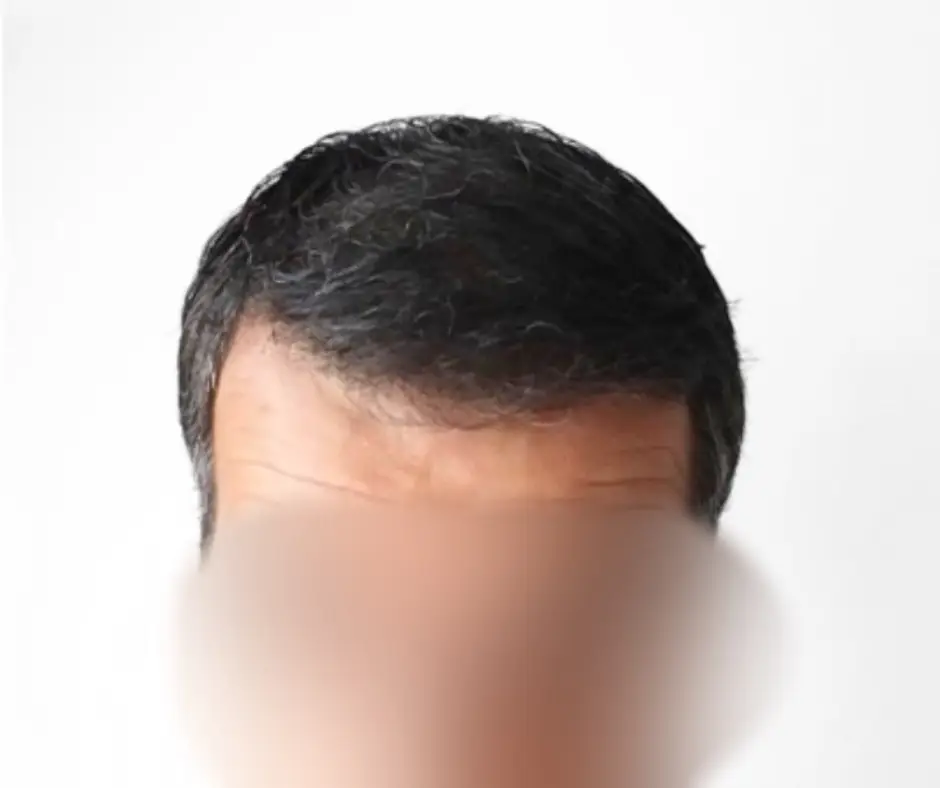
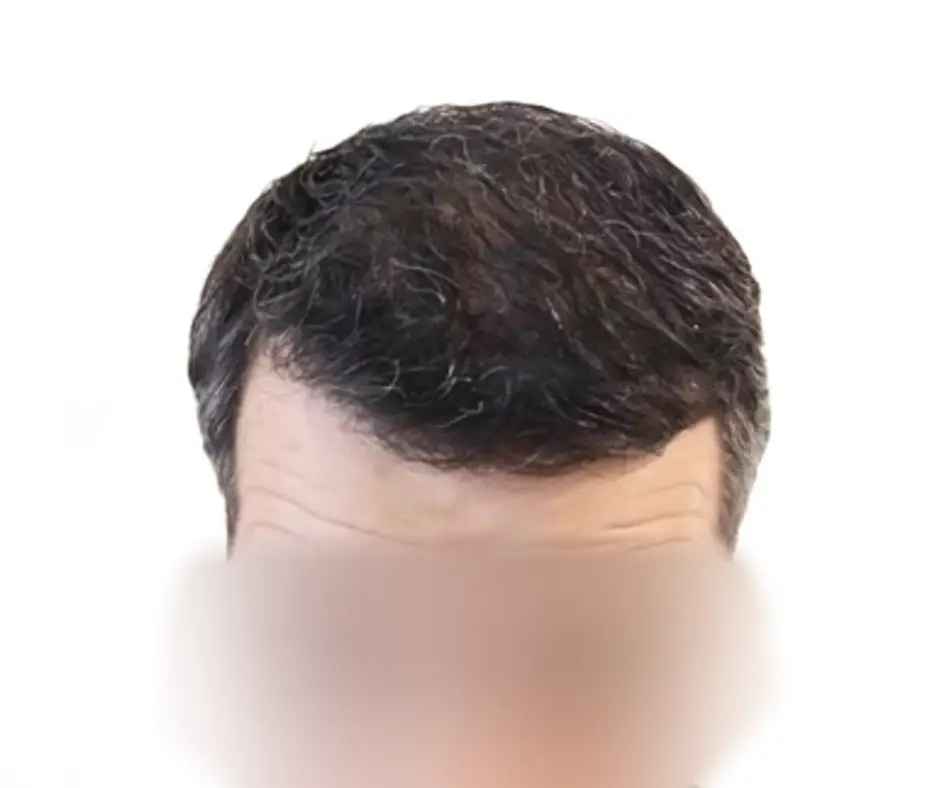
Before/After Results
2. Practical Tips After the Transplant
activities, work, sport, clothing, sun…)
Sleep Correctly
For 1 week:
Sleep on your back, in a semi-sitting position.
Keep your head straight with your neck pillow.
Return to Work
Sedentary work: from the next day.
Manual labor, construction, strenuous efforts: 7 days minimum.
Sport
Moderate activity: avoid for 7 days.
Intense activity: avoid for 1 month.
Wearing a helmet / cap / wig
Forbidden for 1 month.
Swimming Pool
Avoid for 3 weeks.
Sun
Absolutely avoid direct exposure for 3 months (risk of burns and hyperpigmentation).
Hair Products
No gel, hairspray, or chemical products for 1 month.
Medication
Avoid aspirin.
Follow only the doctor’s prescriptions.
3. Normal Side Effects After a Transplant
(taken directly from your documents – unmodified)
Swelling (frontal edema)
Swelling may appear due to anesthetic fluid. Typical progression: forehead → eyes → face → neck before disappearing thanks to the lymphatic system.
Recommendations:
Keep your head straight
Drink plenty of water
Apply cold to the forehead and eyes only
Inflammation
Redness, warmth: frequent and transient signs. In case of discomfort: contact the center.
Scabs
They appear in the first few days and fall off naturally within about ten days.
Itching
Very common: do not scratch.
4. ANAGEN Medical Follow-up – D+7 to M+12
We follow you throughout the year following your procedure, with 5 key appointments:
D+7
M+1
M+3
M+6
M+12
These consultations allow us to:
analyze healing,
monitor scalp evolution,
compare before/after photos,
establish a one-year hair assessment.
Some consultations may include PRP, a technique that promotes healing and regrowth.
In Practice
Evolution of your hair transplant
We answer all your questions
Do not hesitate to call us at 04 78 08 93 63 if your question is not in the list.
What is the success rate of a transplant?
Very high, close to 100%. No rejection when recommendations are followed.
Healing time?
Donor area: 1 month
Recipient area: 3 months
Should I plan for one or two sessions?
1 to 2 sessions depending on the stage of alopecia. Alopecia evolves over the years; a new transplant may be necessary.
Risk of infection?
Very low, thanks to sterile and single-use equipment.
Daily hair loss?
Average 80 hairs/day — normal.
Can it be seen that I had a transplant?
Scabs visible for 3 weeks, then natural appearance.
Can I use someone else's hair?
No, the body would reject them.
How long does a procedure last?
Between 6 and 8 hours.
When can I return to work?
Sedentary work: next day
Physical work: 2 weeks
Is it painful?
Only the anesthetic injections are felt. A cooling system reduces discomfort.
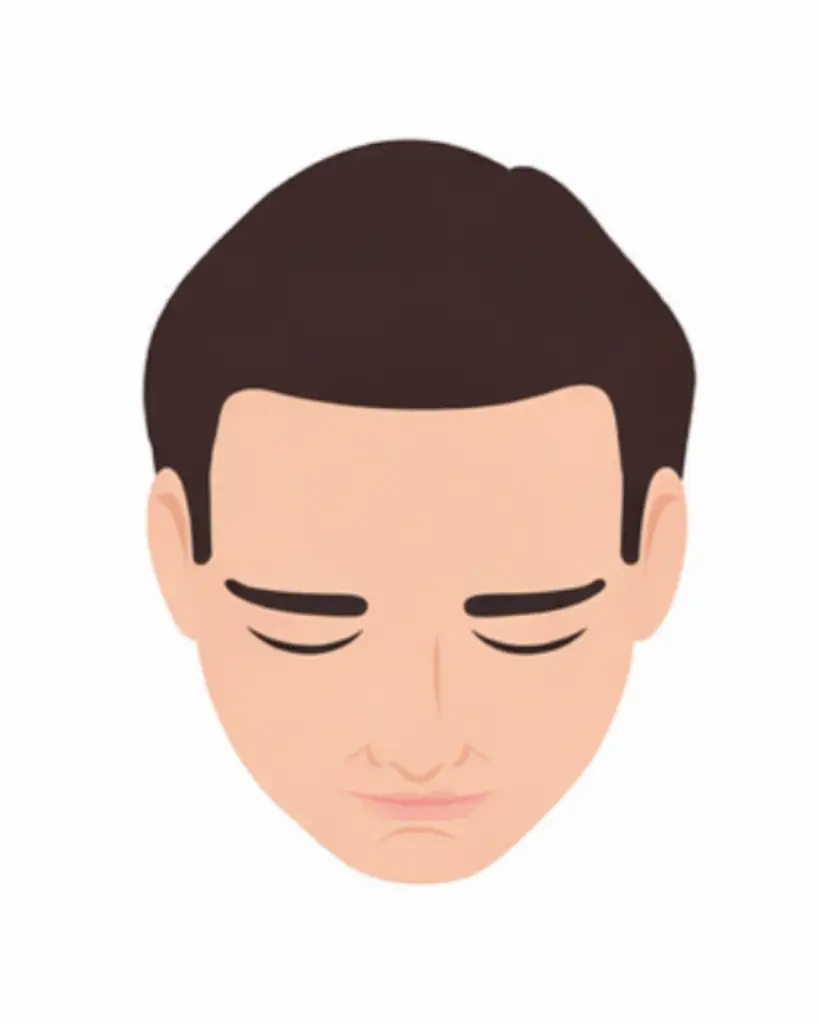
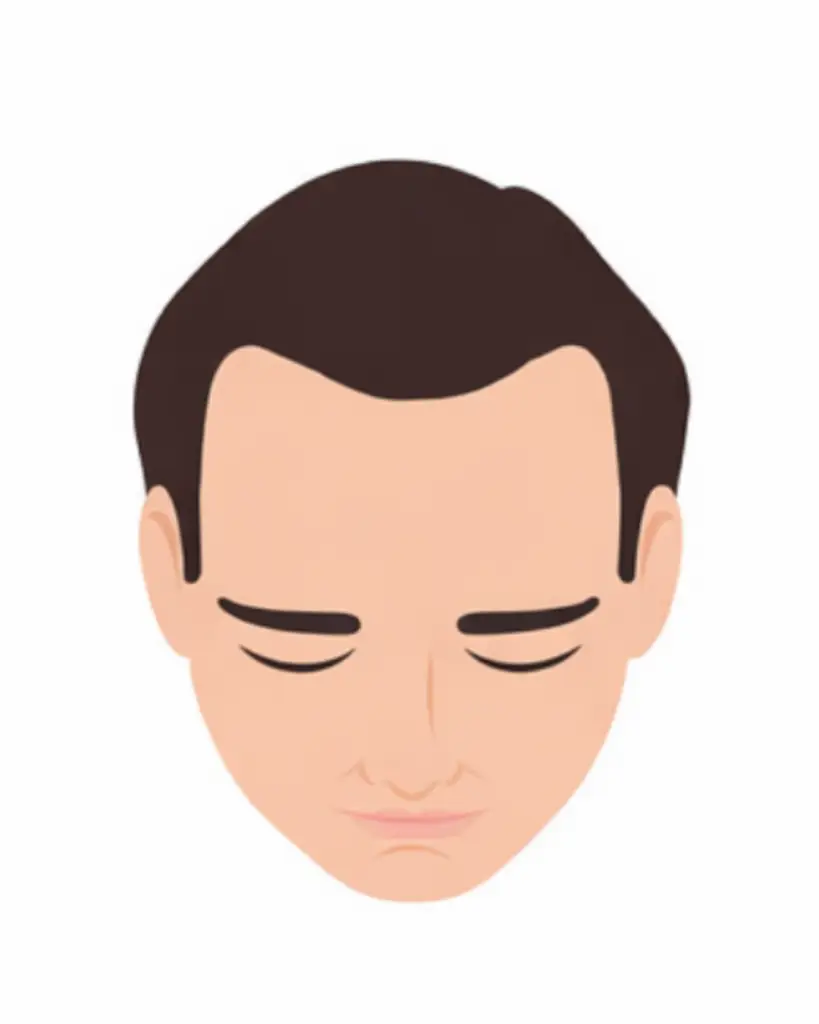
No visible loss. Medical follow-up recommended in case of family history.
Hamilton 02
Slightly receding hairline, thinner hair at the temples. Preventive medical treatment or mesotherapy.
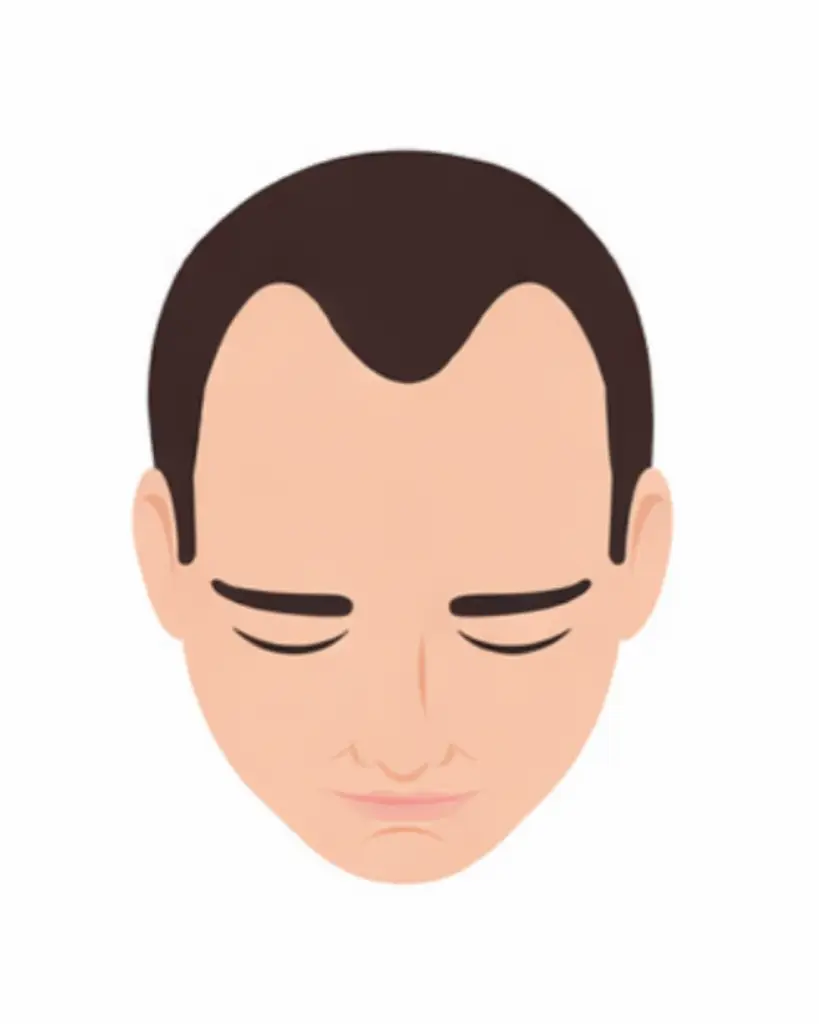
Hamilton 03
The temples are receding and baldness is becoming visible. A localized transplant can be considered if the hair loss has stabilized.
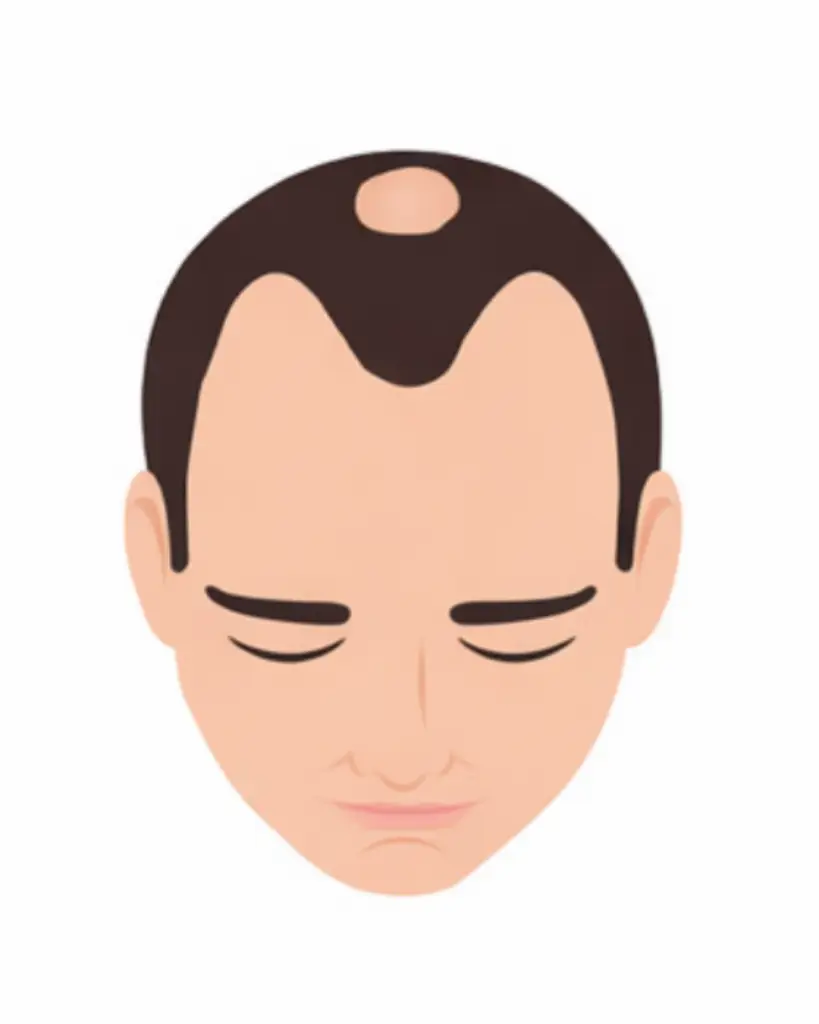
Hamilton 04
The crown is thinning, the frontal area is receding. Intermediate FUE transplant and maintenance treatment (Minoxidil, Finasteride, mesotherapy).
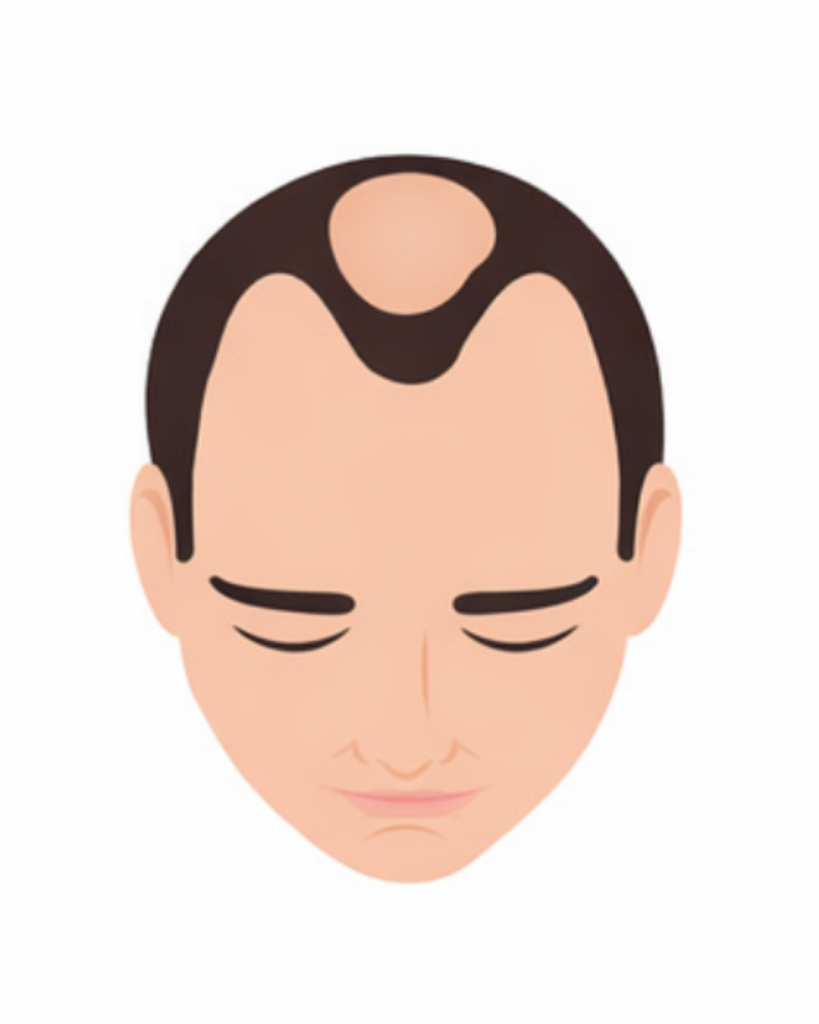
Hamilton 05
The frontal and upper areas are merging. Full transplant with a personalized implantation plan.
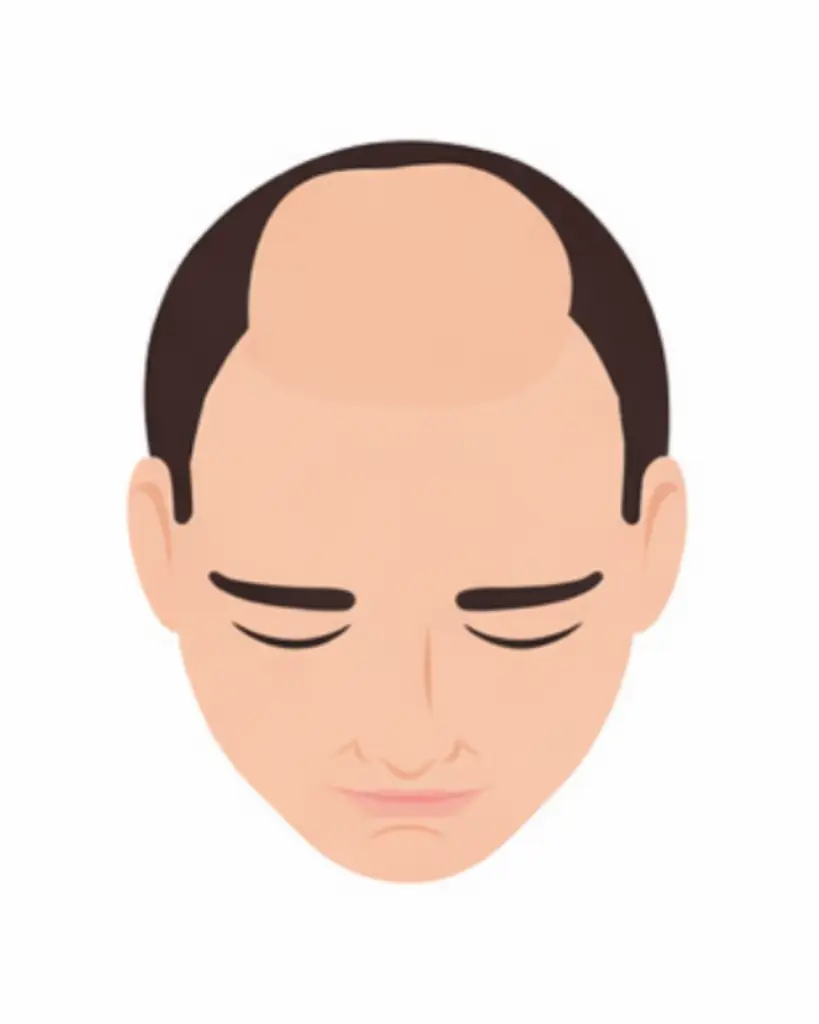
Hamilton 06
The top of the head is thinning; only the wreath remains dense. Major transplant (up to 5,000 grafts) over two days, combined with maintenance treatment.
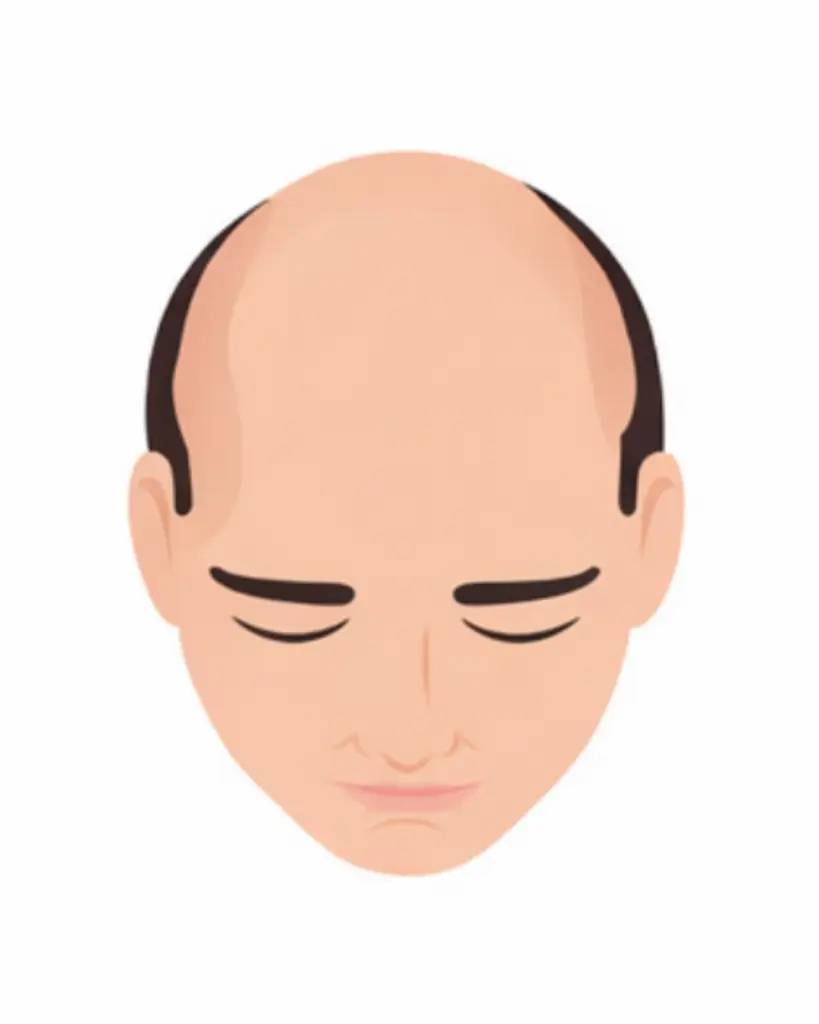
Hamilton 07
Baldness is complete, leaving only a thin band of hair at the back. A partial transplant or hair system may be considered depending on the quality of the donor area.
No visible loss. Medical follow-up recommended in case of family history.
Hamilton 02
Slightly receding hairline, thinner hair at the temples. Preventive medical treatment or mesotherapy.
Hamilton 03
The temples are receding and baldness is becoming visible. A localized transplant can be considered if the hair loss has stabilized.
Hamilton 04
The crown is thinning, the frontal area is receding. Intermediate FUE transplant and maintenance treatment (Minoxidil, Finasteride, mesotherapy).
Hamilton 05
The frontal and upper areas are merging. Full transplant with a personalized implantation plan.
Hamilton 06
The top of the head is thinning; only the wreath remains dense. Major transplant (up to 5,000 grafts) over two days, combined with maintenance treatment.
Hamilton 07
Baldness is complete, leaving only a thin band of hair at the back. A partial transplant or hair system may be considered depending on the quality of the donor area.