
Our advice before and after a hair transplant
The success of a hair transplant depends as much on the quality of the medical procedure as on following the instructions before and after the operation.
At ANAGEN, each patient benefits from personalized support, with a detailed explanatory booklet and a complete post-operative kit, provided on the day of the transplant.
These tools have been designed to ensure optimal healing, better graft take and natural, long-lasting regrowth.
Before the transplant
Preparing your body and scalp
A few simple precautions help ensure the procedure goes smoothly:
- Do not consume alcohol or tobacco in the 7 days prior to the transplant.
- Avoid aspirin, anti-inflammatory drugs and supplements (vitamin E, omega 3, ginseng, ginkgo, etc.) that thin the blood.
- Inform the doctor of any ongoing treatment.
- Sleep well, stay regularly hydrated, and avoid stress.
These measures promote good blood circulation and prepare the scalp for microsurgery.
On the day of the transplant
- Have a light breakfast, without coffee or strong tea.
- Wear clothing that is easy to put on (a shirt or zip-up).
- Do not apply gel, wax, or styling products.
- Arrive well-rested, with no prior physical exertion.
Shaving of the areas concerned will be carried out on site, according to the implantation plan defined by the doctor.
After the transplant
The first 48 hours
The implanted grafts are still fragile and require special attention:
- Do not touch, rub, or wash the transplanted area.
- Sleep on your back, with your head slightly elevated.
- Regularly spray the thermal water from the kit (every hour on the first day).
- Avoid sport, heat, sweating, and any sun exposure.
Slight swelling or redness may appear: it will disappear naturally within a few days.
Washing the scalp
From day 2, the scalp can be washed according to the ANAGEN protocol:
- Pour the mild shampoo provided into the foaming bottle.
- Gently apply the foam to the transplanted area, without rubbing.
- Leave on for a few minutes, then rinse gently with lukewarm water.
- Repeat once a day until the scabs have completely disappeared (about 10 days).
A healing cream must be applied to the donor area according to the doctor’s recommendations.
Activities and lifestyle
During the healing period:
- Returning to work is possible after 3 to 5 days, depending on your job.
- No sport, sauna, hammam, swimming pool, or sea for 3 to 4 weeks.
- No sun exposure for at least 1 month.
- Hair colouring or dye: wait 6 weeks.
- Do not wear a helmet or tight hat without medical approval.
Following these timeframes ensures complete healing and optimal graft survival.
Transplant progress
- Weeks 2 to 4: the transplanted hair sheds — this is normal; the follicles enter a resting phase.
- Months 3 to 4: regrowth resumes.
- Month 6: density increases noticeably.
- Months 9 to 12: the final result is achieved.
Each patient benefits from personalized medical follow-up, with check-ups at 10 days, 3 months, 6 months, and 1 year.
Before/After results


We answer all your questions
Do not hesitate to call us at 04 78 08 93 63 if your question is not in the list.
1. What is a hair transplant?
A hair transplant is a medical procedure that involves taking hair follicles from a donor area (often the back of the head) to reimplant them in thinning or balding areas.
Transplanted grafts retain their permanent character, allowing for definitive and natural regrowth.
2. What is the difference between FUE and FUT?
FUE (Follicular Unit Extraction) is a modern technique that allows grafts to be harvested one by one, without a visible linear scar.
FUT (Follicular Unit Transplantation), which is older, involves a surgical strip taken from the back of the head.
FUE is today the most used method for its precision and scar discretion.
3. Who is hair transplant for?
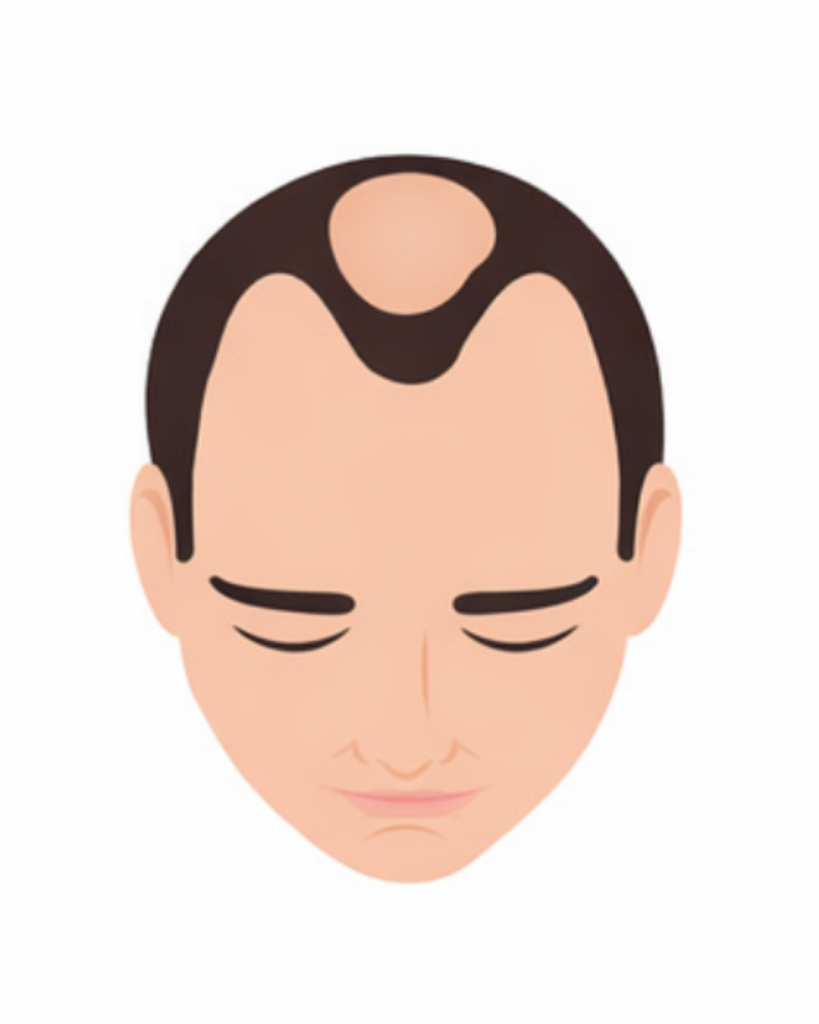
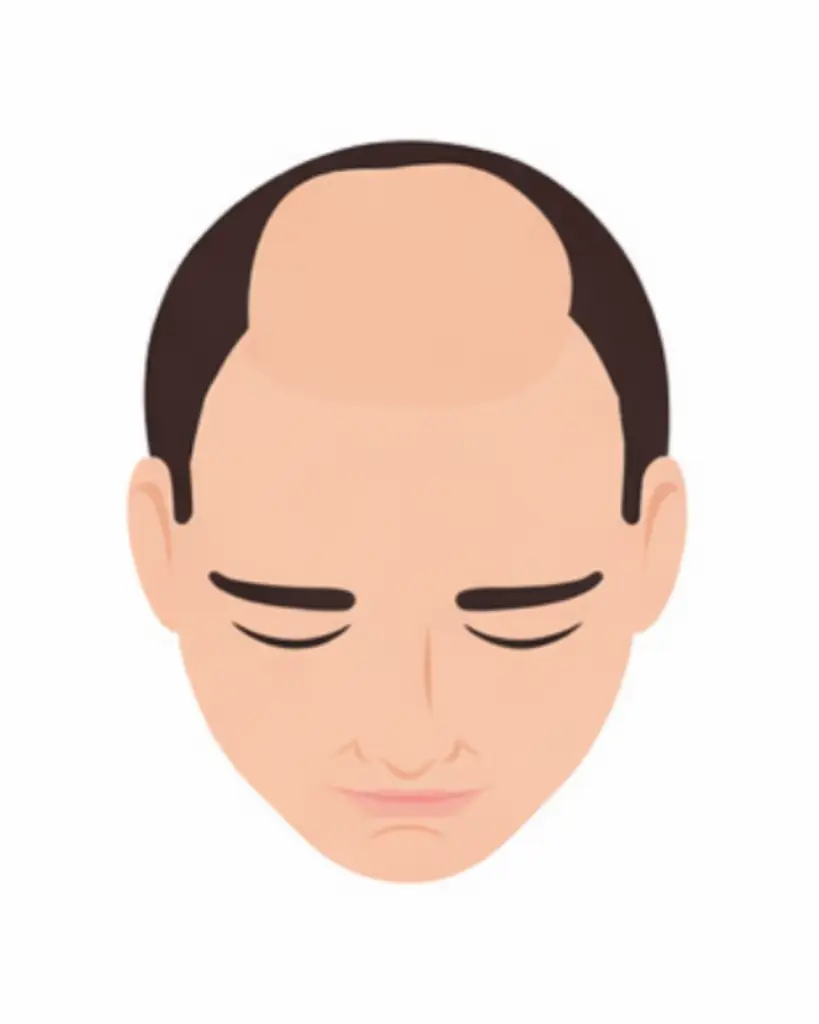
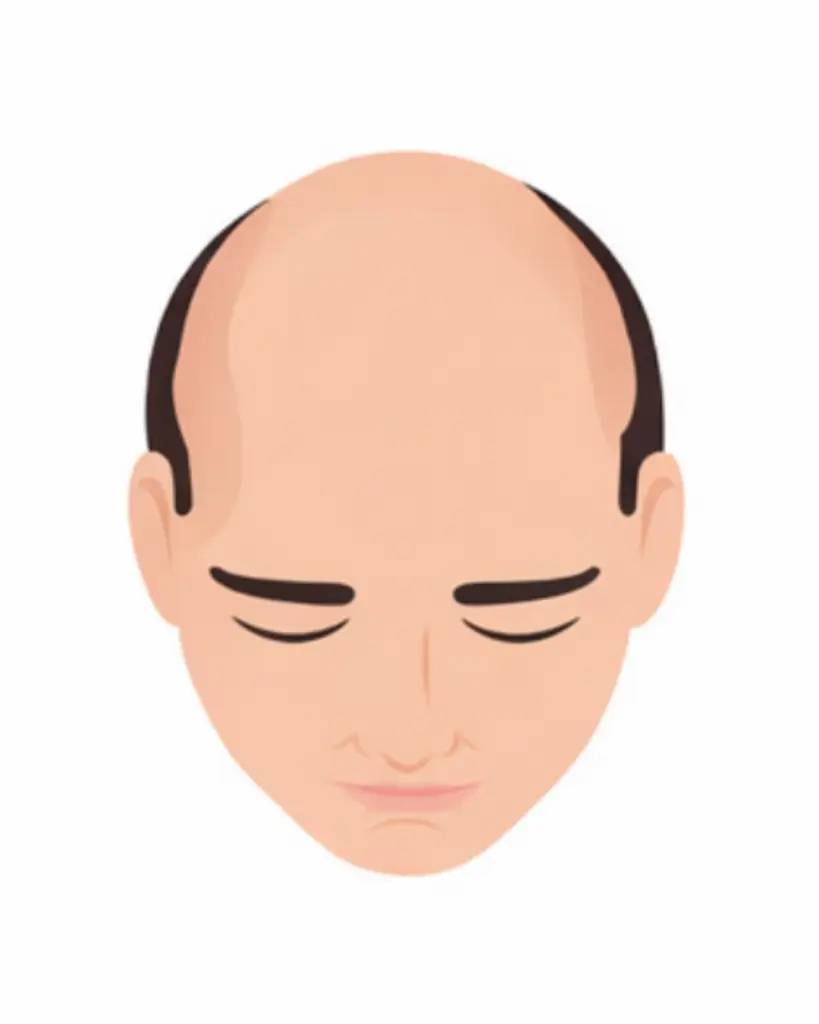
Hair transplant is intended for people suffering from androgenetic alopecia, mainly men between 25 and 60 years old.
A medical evaluation is necessary to check the density and quality of the donor area, as well as the stability of hair loss before considering an intervention.
4. How many grafts can be implanted in one session?
The number of grafts depends on the surface to be treated and the density of the donor area.
A session can range from 1,000 to 6,000 grafts, spread over one or two days depending on the clinical case.
The practitioner determines the most suitable strategy after the diagnosis.
5. Is the procedure painful?
FUE hair transplant is performed under local anesthesia.
The patient is conscious and relaxed throughout the procedure.
Discomfort may be felt after the intervention, but it disappears in a few days with the prescribed care.
6. When does transplanted hair grow back?
Regrowth follows several natural stages:
- Temporary loss of grafts between 2 and 4 weeks after the transplant,
- Start of regrowth around the 3rd or 4th month,
- Visible result at 6 months,
- Final result between 9 and 12 months after the intervention.
Each patient progresses at their own pace.
7. Does hair transplant leave scars?
The FUE technique leaves no linear scar.
Micro-traces may be visible on the donor area for the first few days, but they disappear quickly.
Good healing depends on following post-operative instructions.
8. Does transplanted hair fall out again?
Implanted hair comes from areas genetically programmed not to fall out.
They retain this characteristic after the transplant.
However, non-transplanted hair may continue to thin: regular medical follow-up helps stabilize the progression of baldness.
9. How long does a hair transplant session last?
The duration depends on the number of grafts to be implanted.
On average, a session lasts 6 to 8 hours.
For large transplants (up to 6,000 grafts), the intervention can be performed over two consecutive days.
10. What precautions should be taken after a hair transplant?
The first few days require specific care to protect the grafts:
- Gentle cleaning and thermal water spray,
- Avoid sun, sports, and wearing a cap,
- Sleep with the head slightly elevated,
- Follow the post-operative instructions given by the center.
Personalized follow-up is provided to accompany each stage of healing.